Original: $164.01
-65%$164.01
$57.40The Story
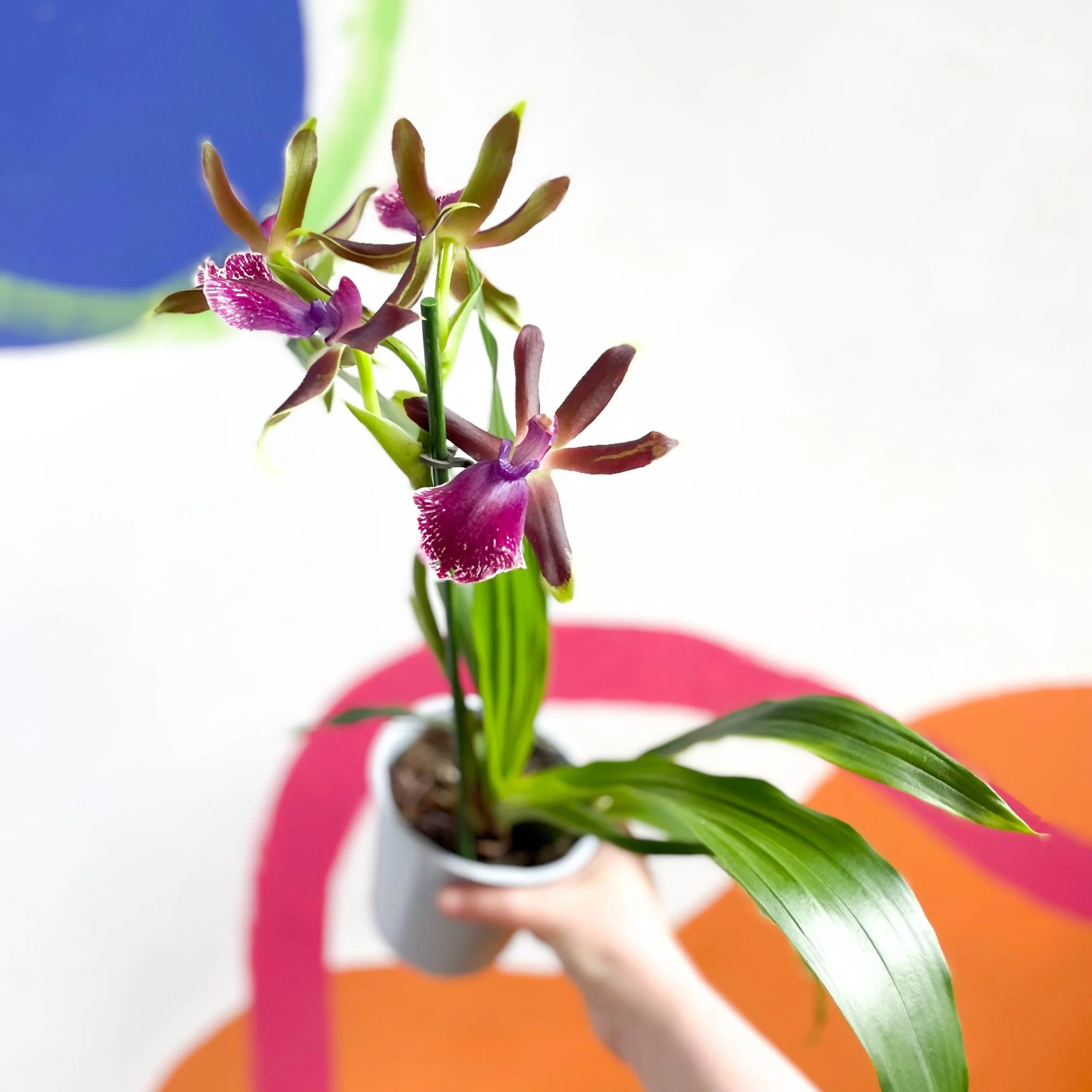
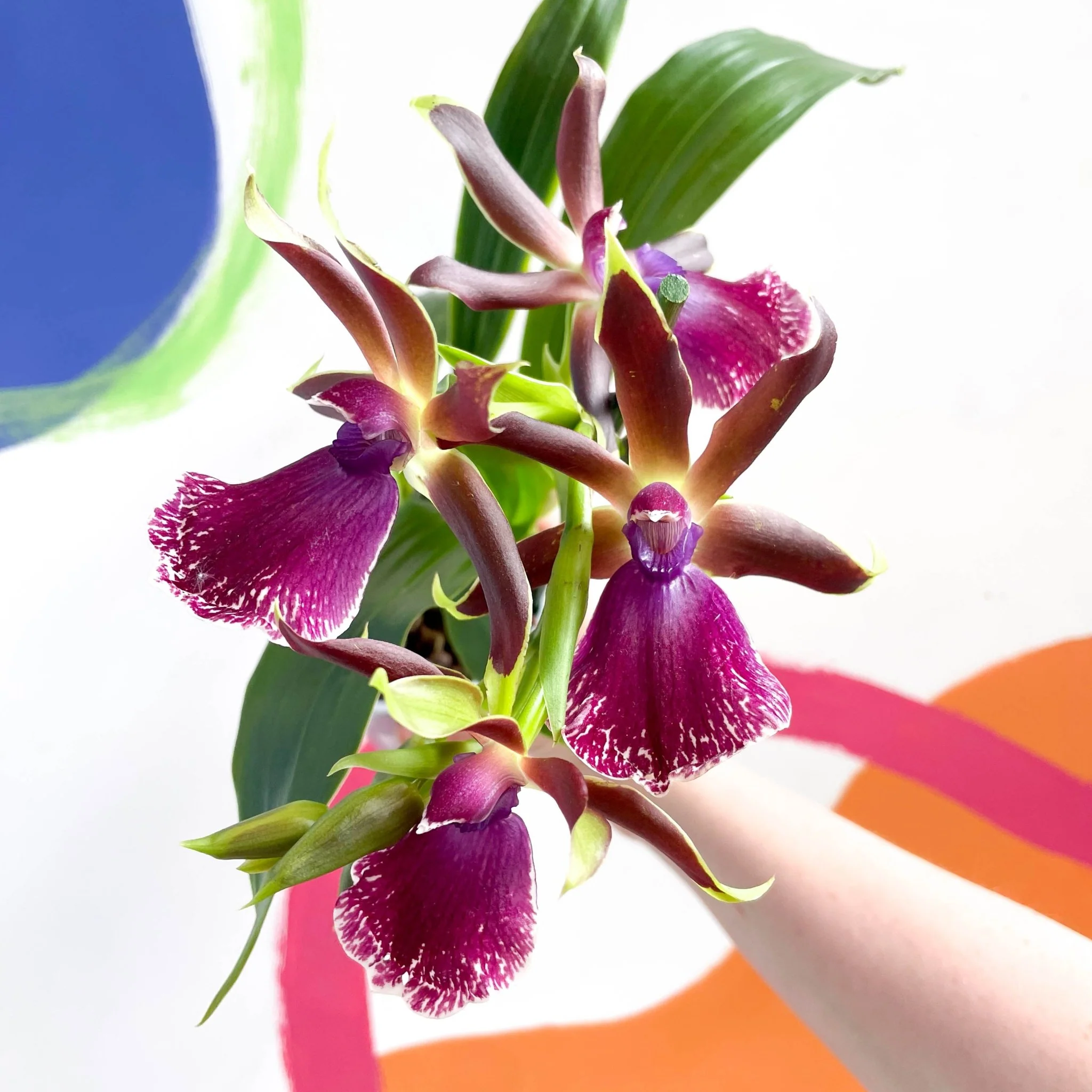
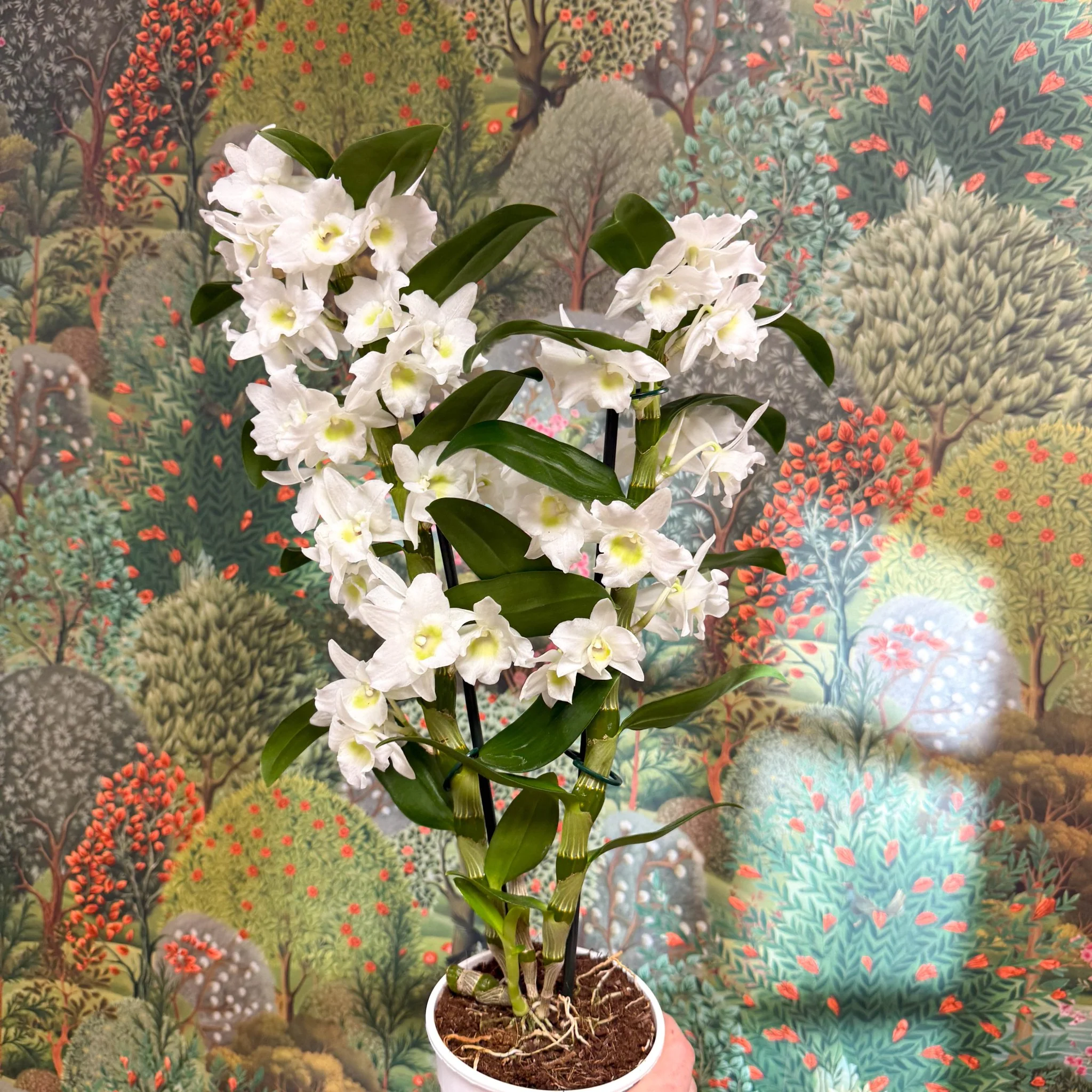
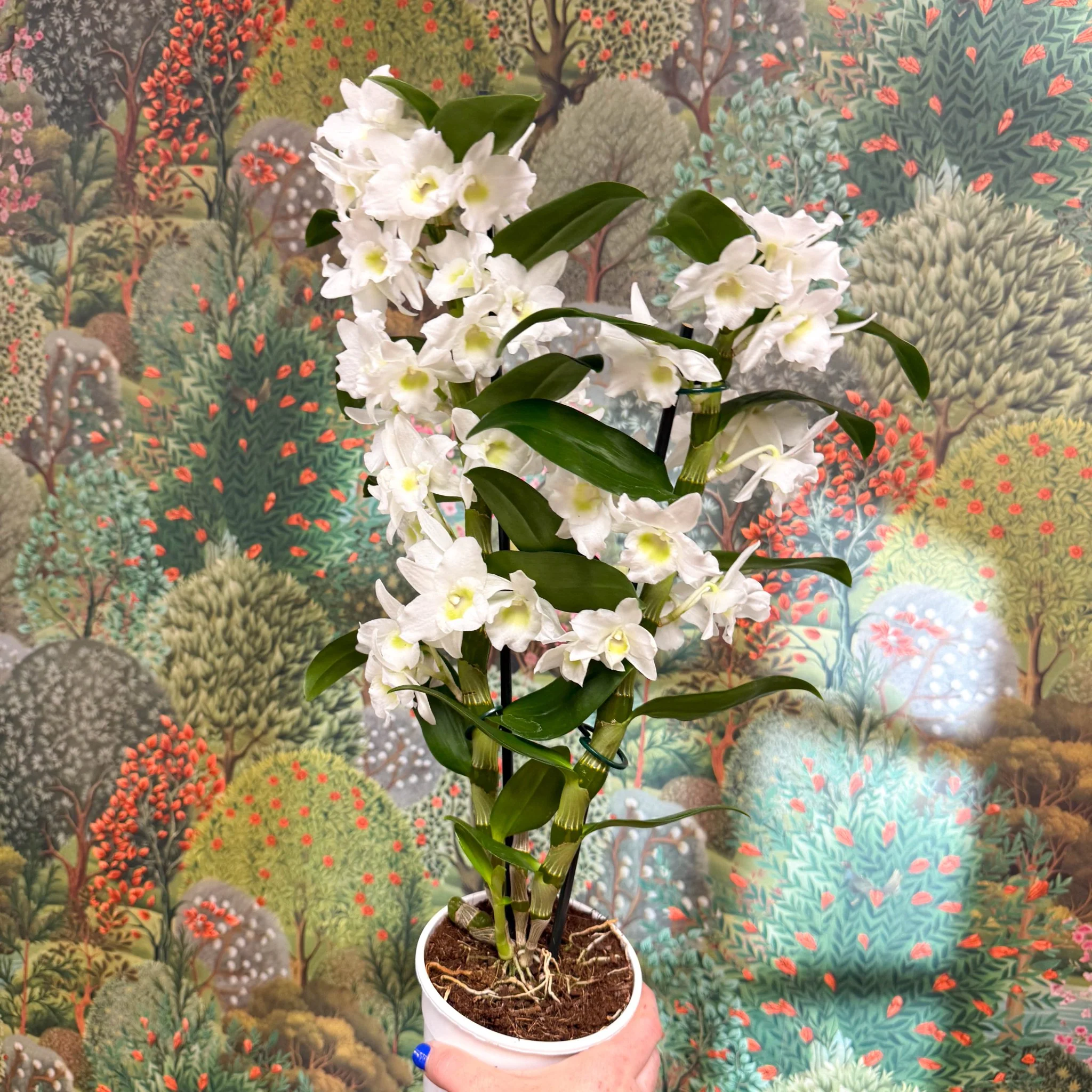
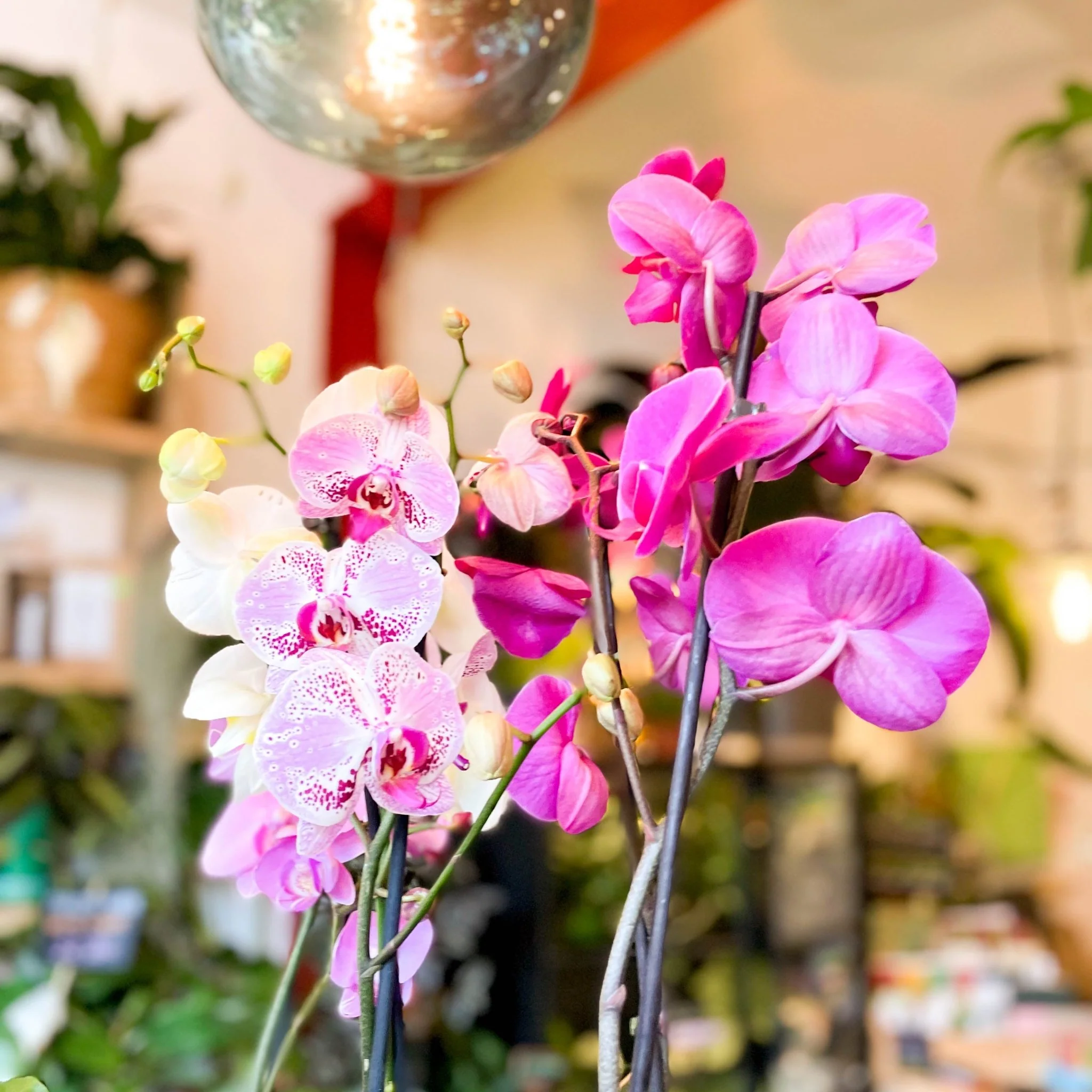
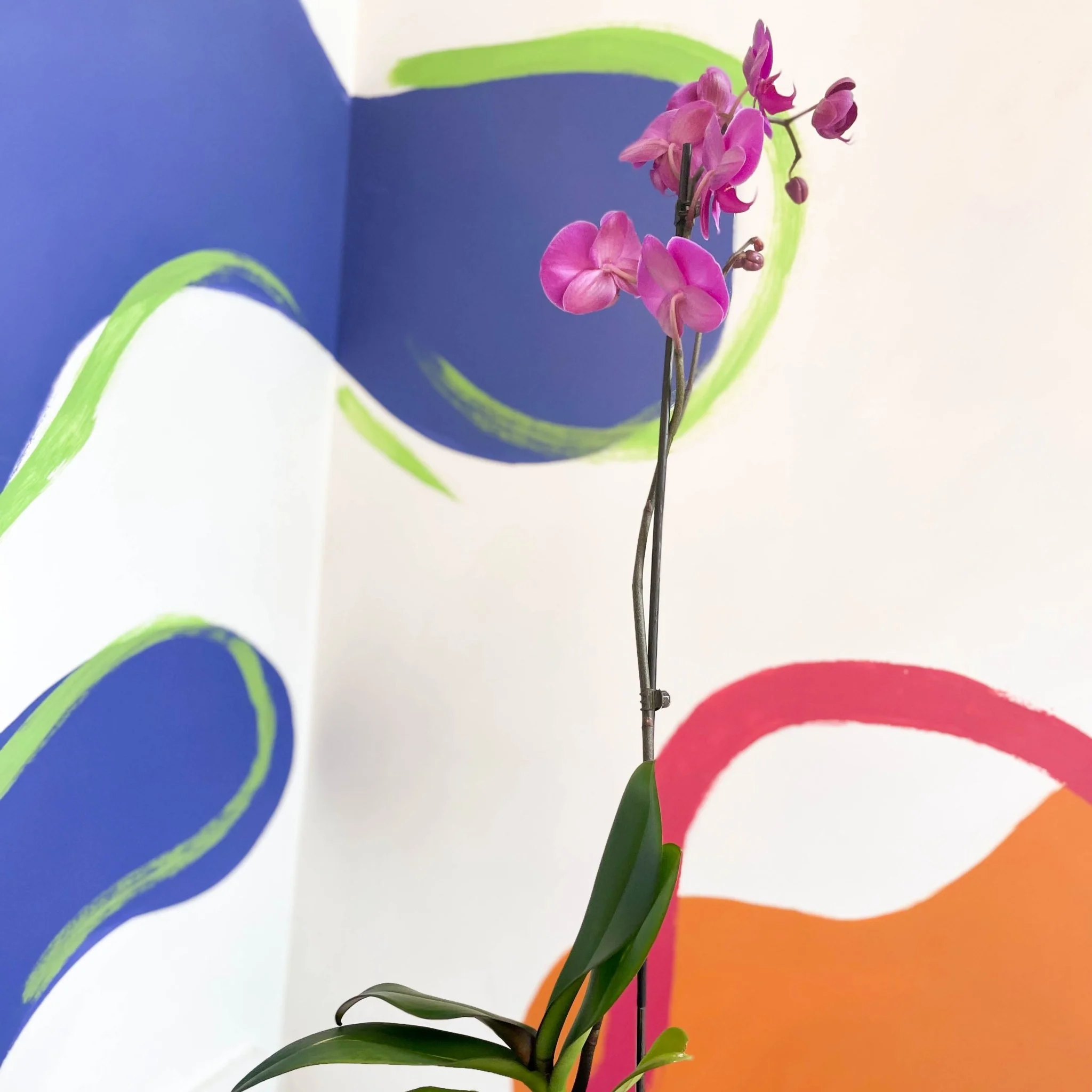
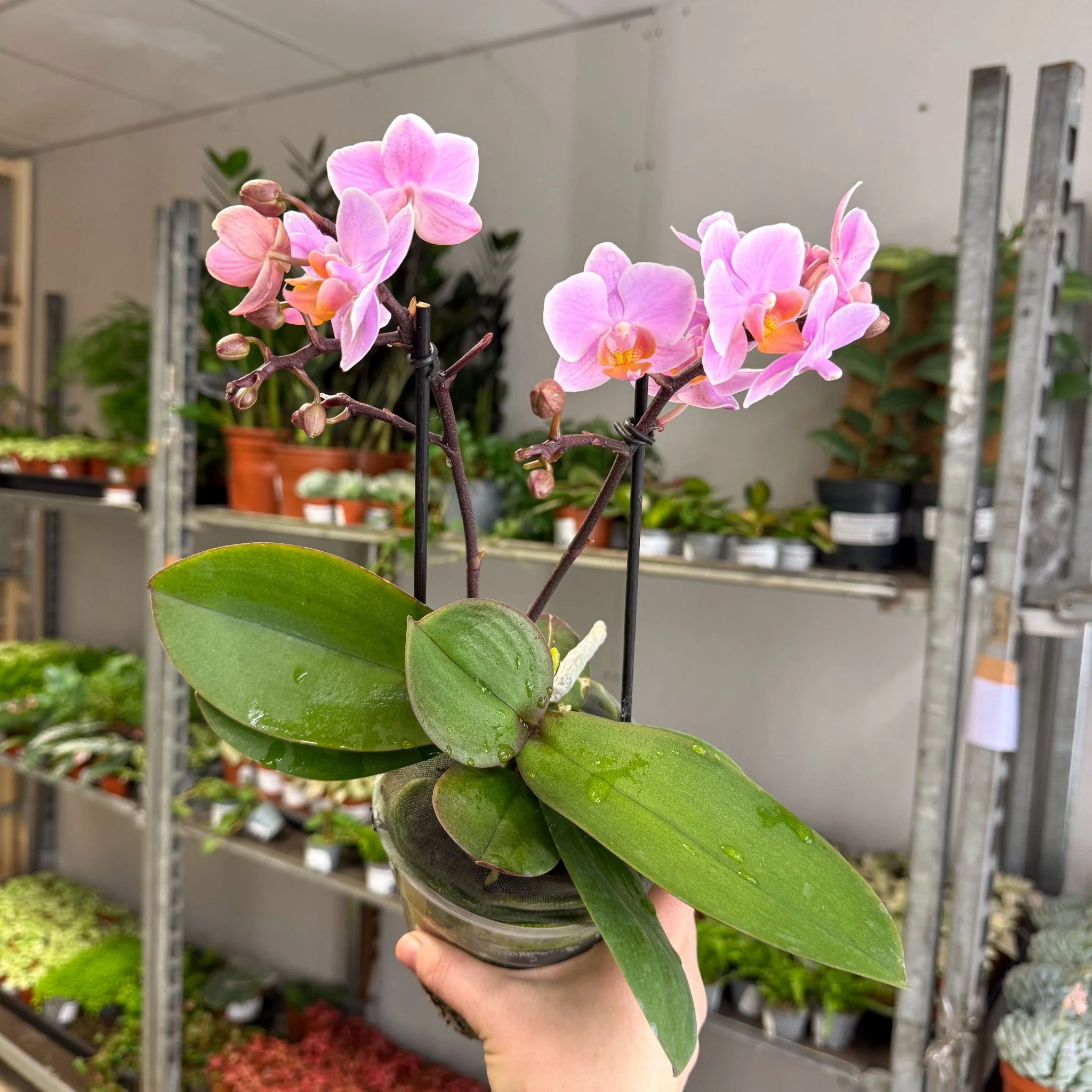
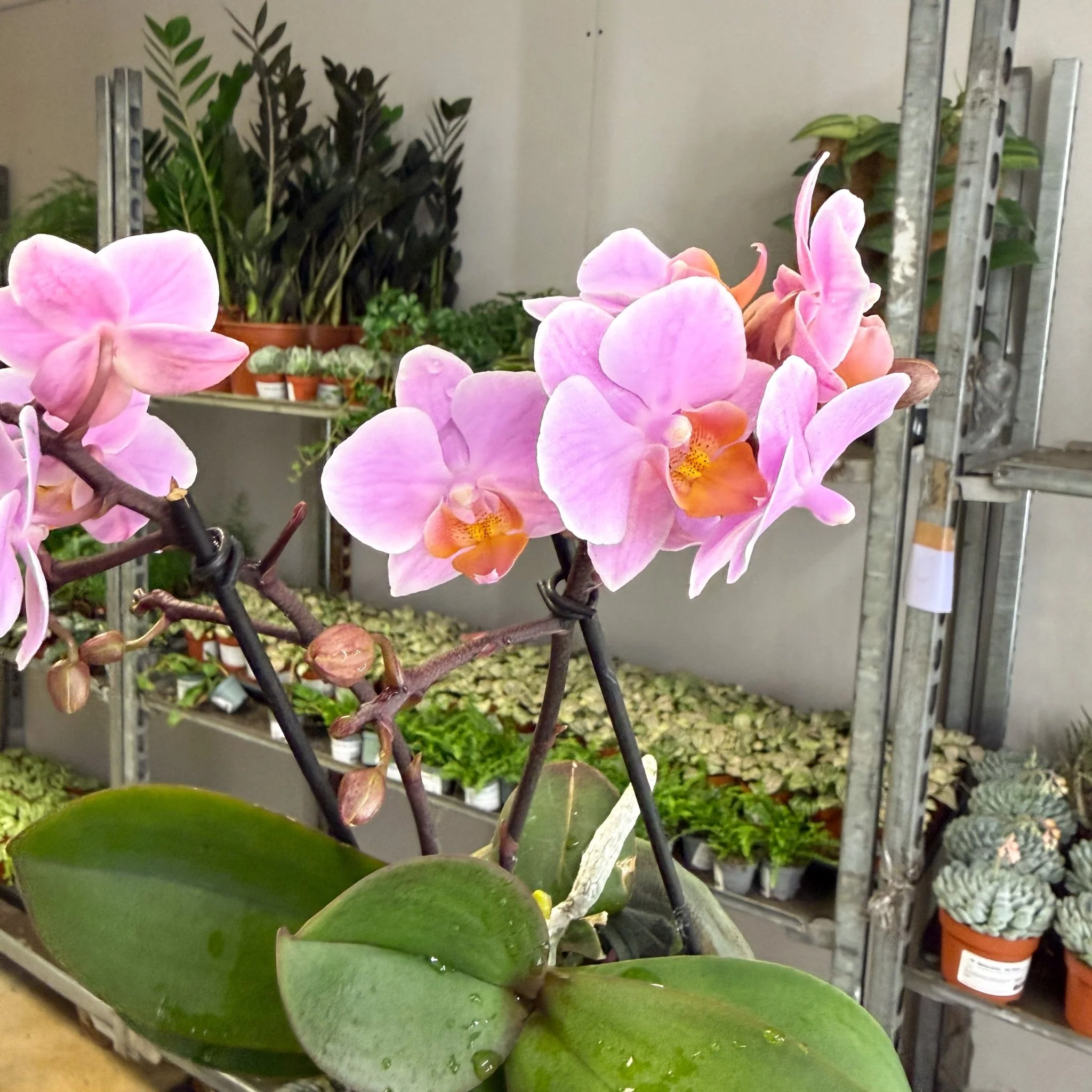
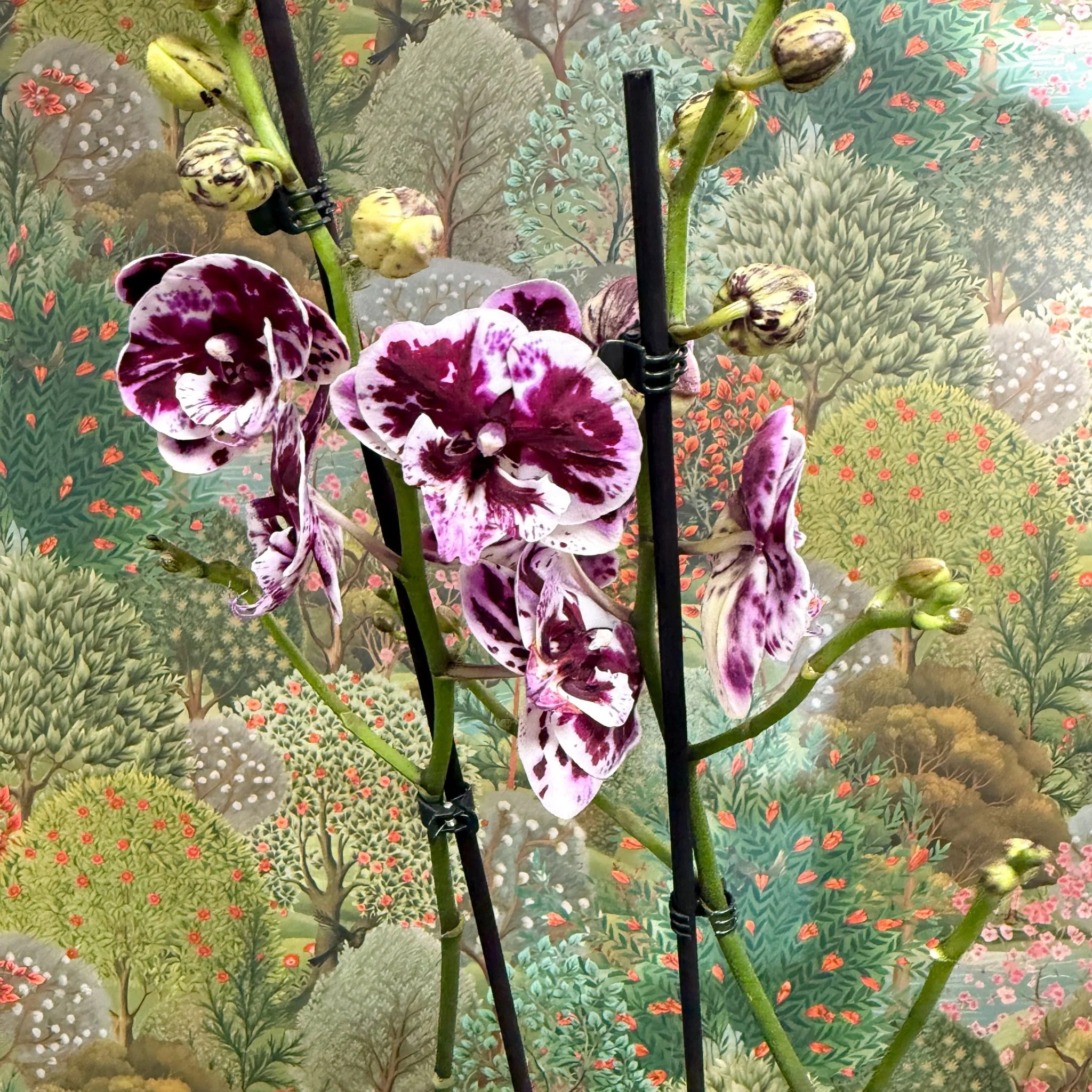
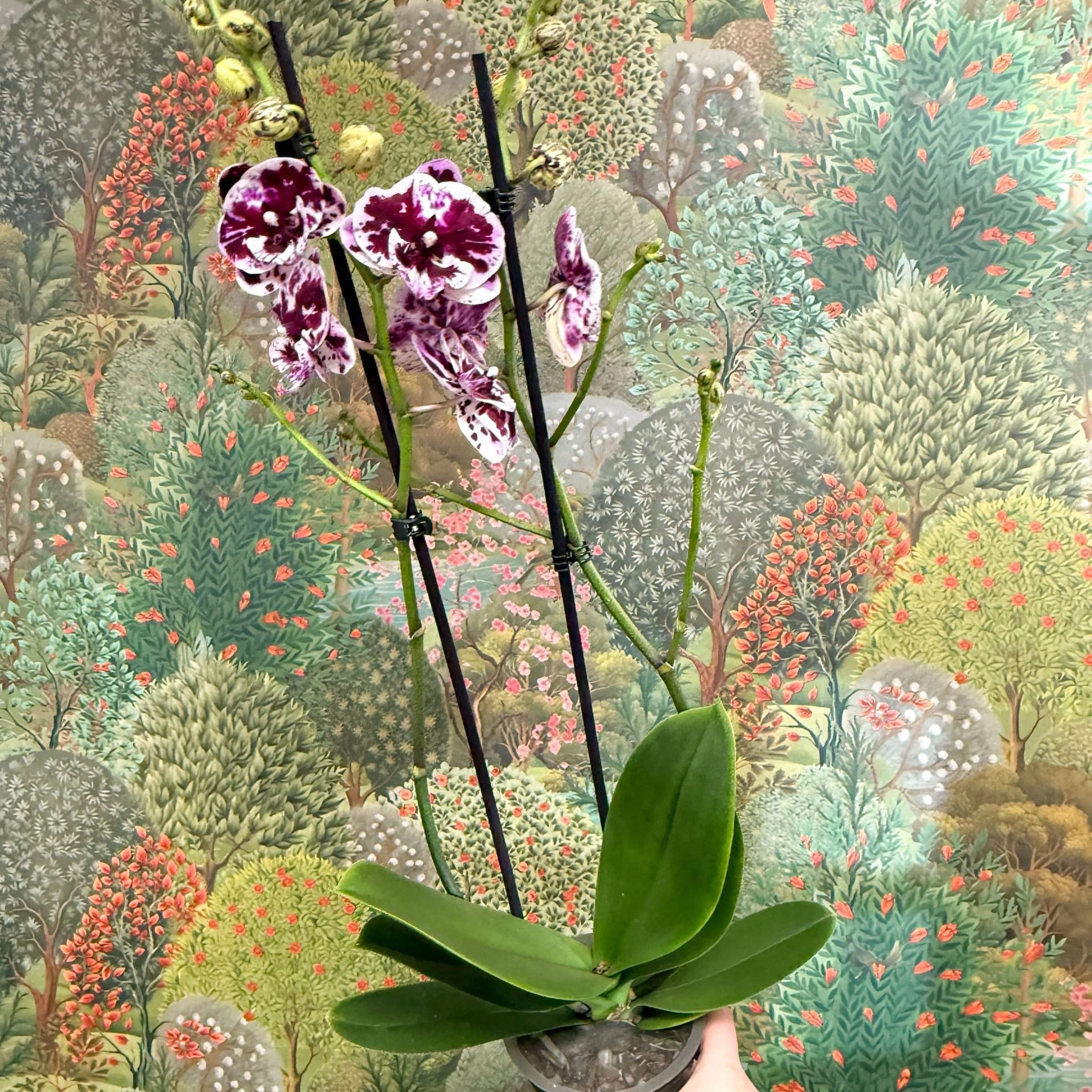
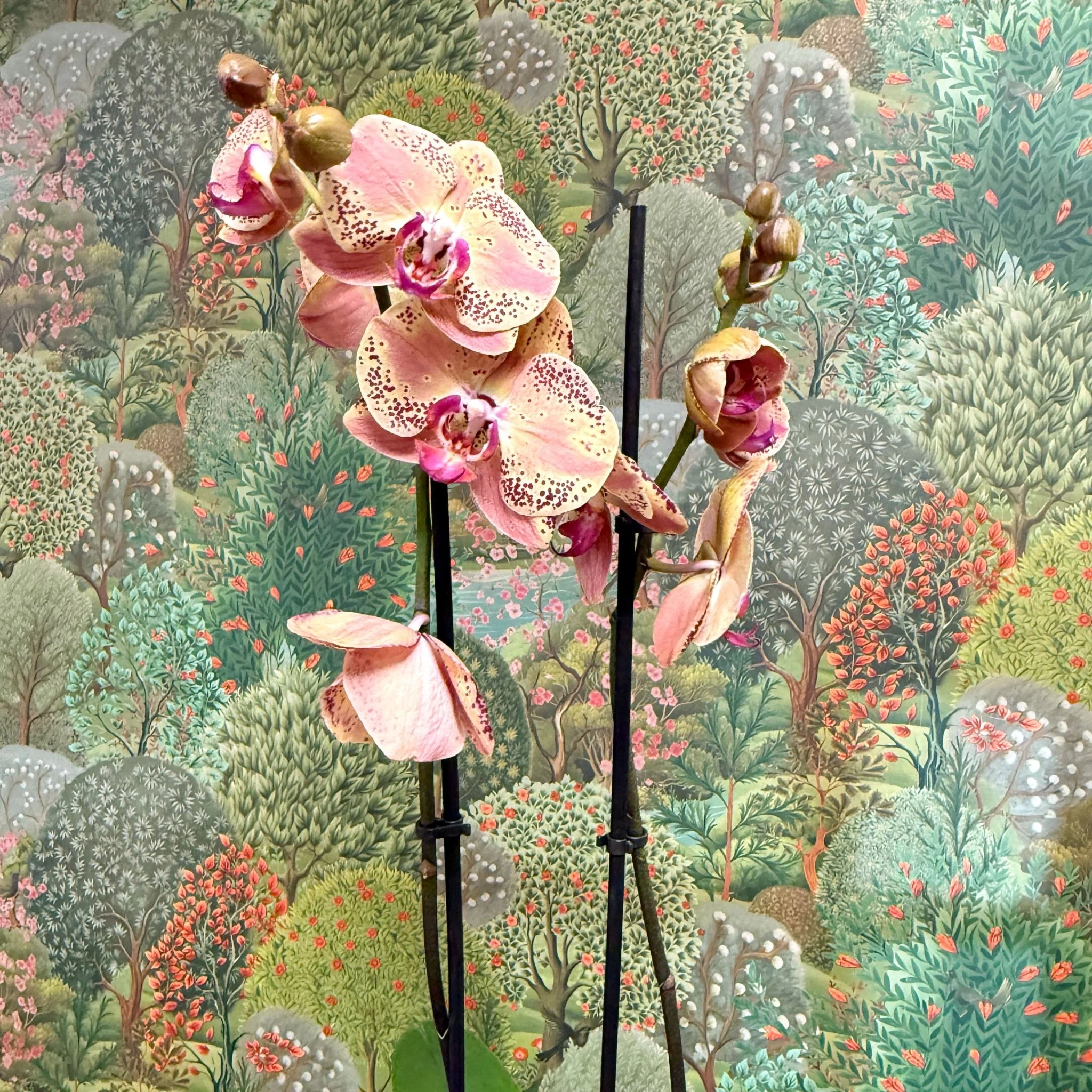
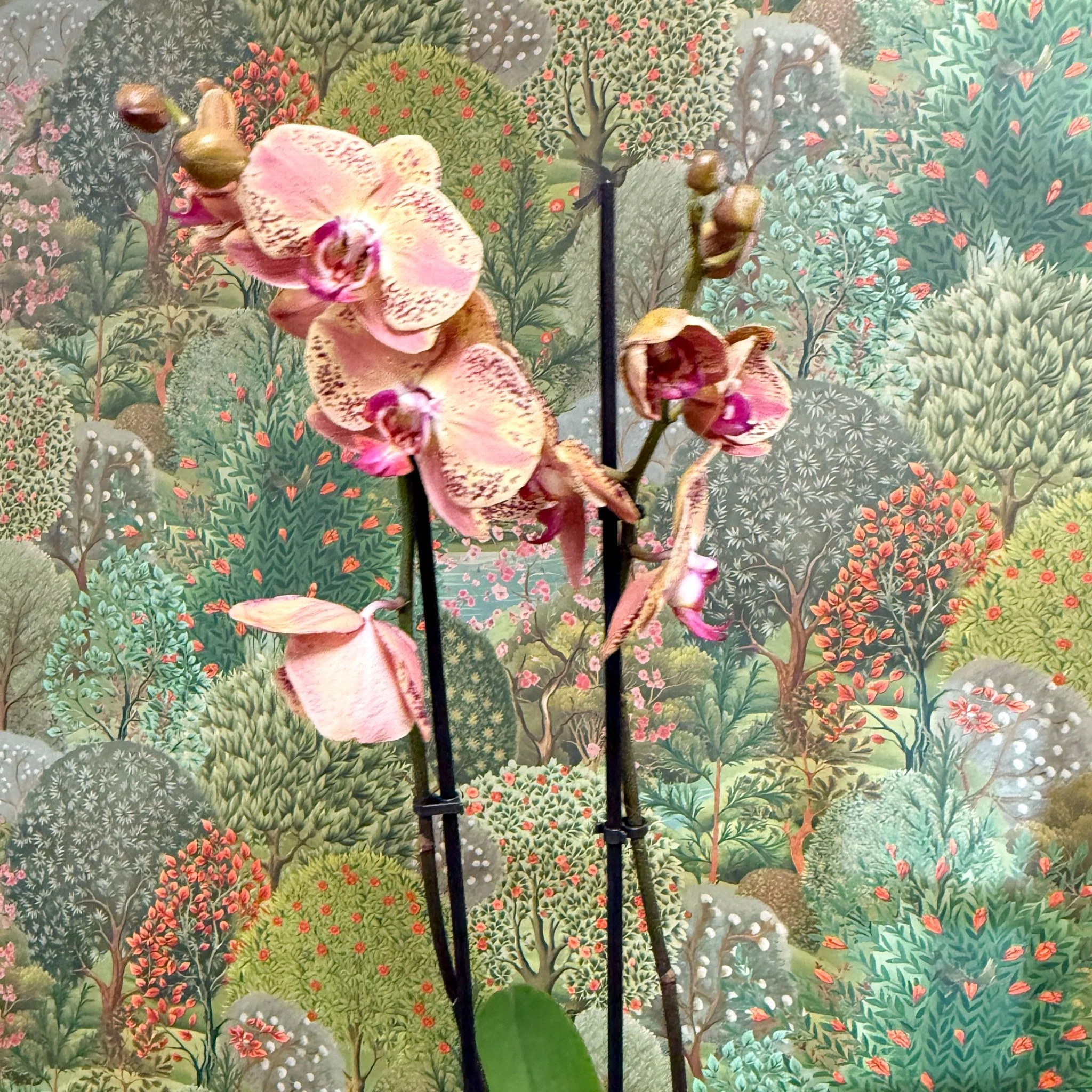
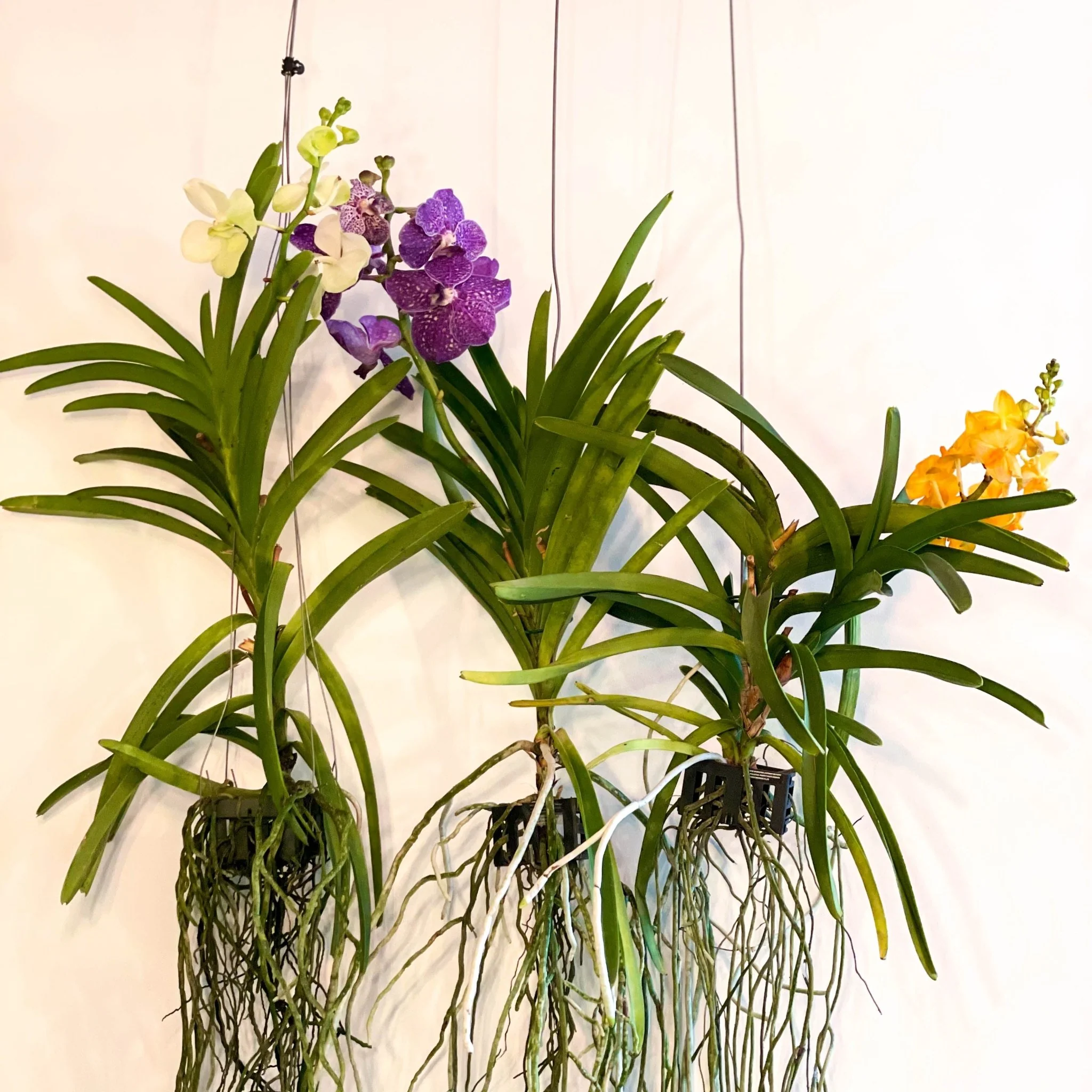
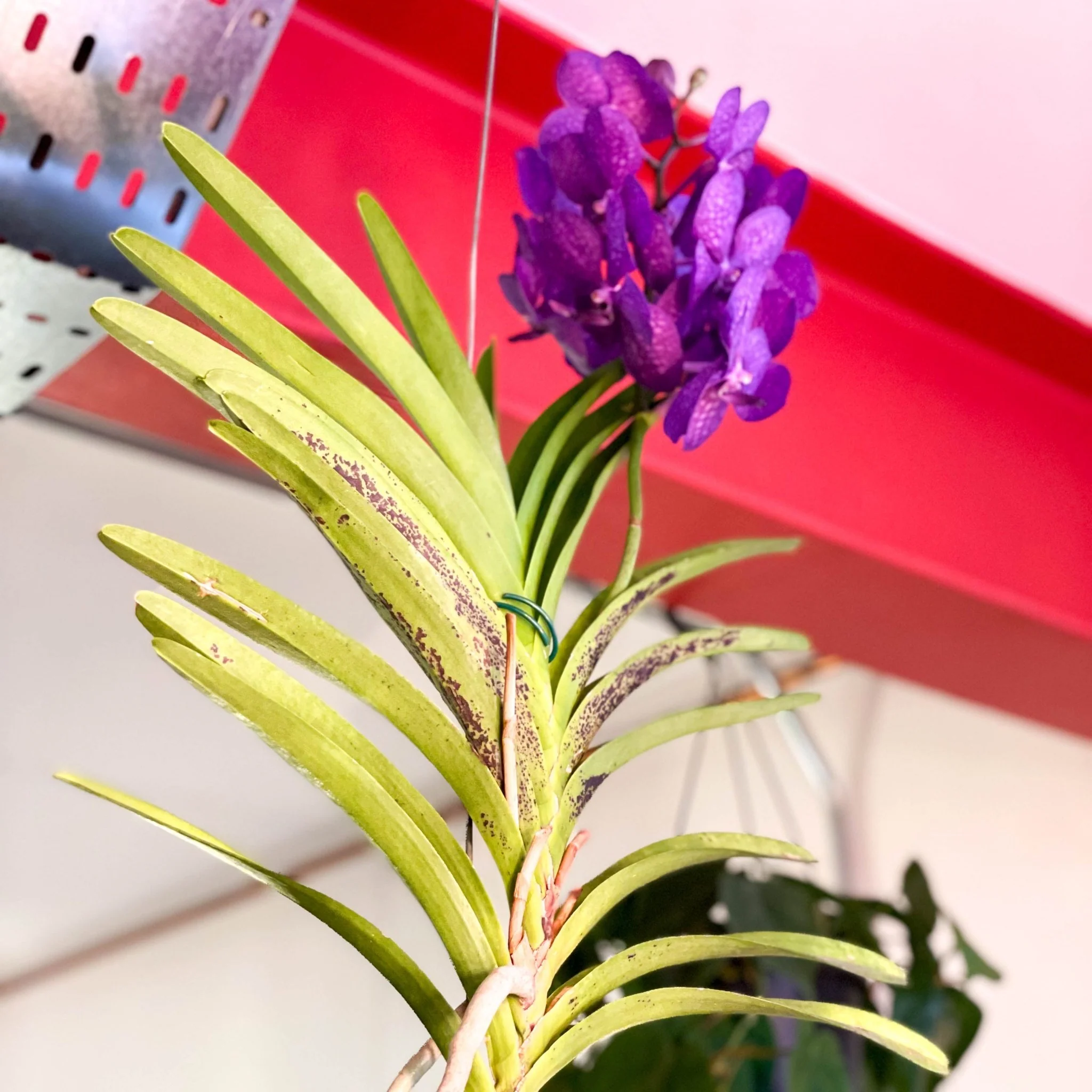
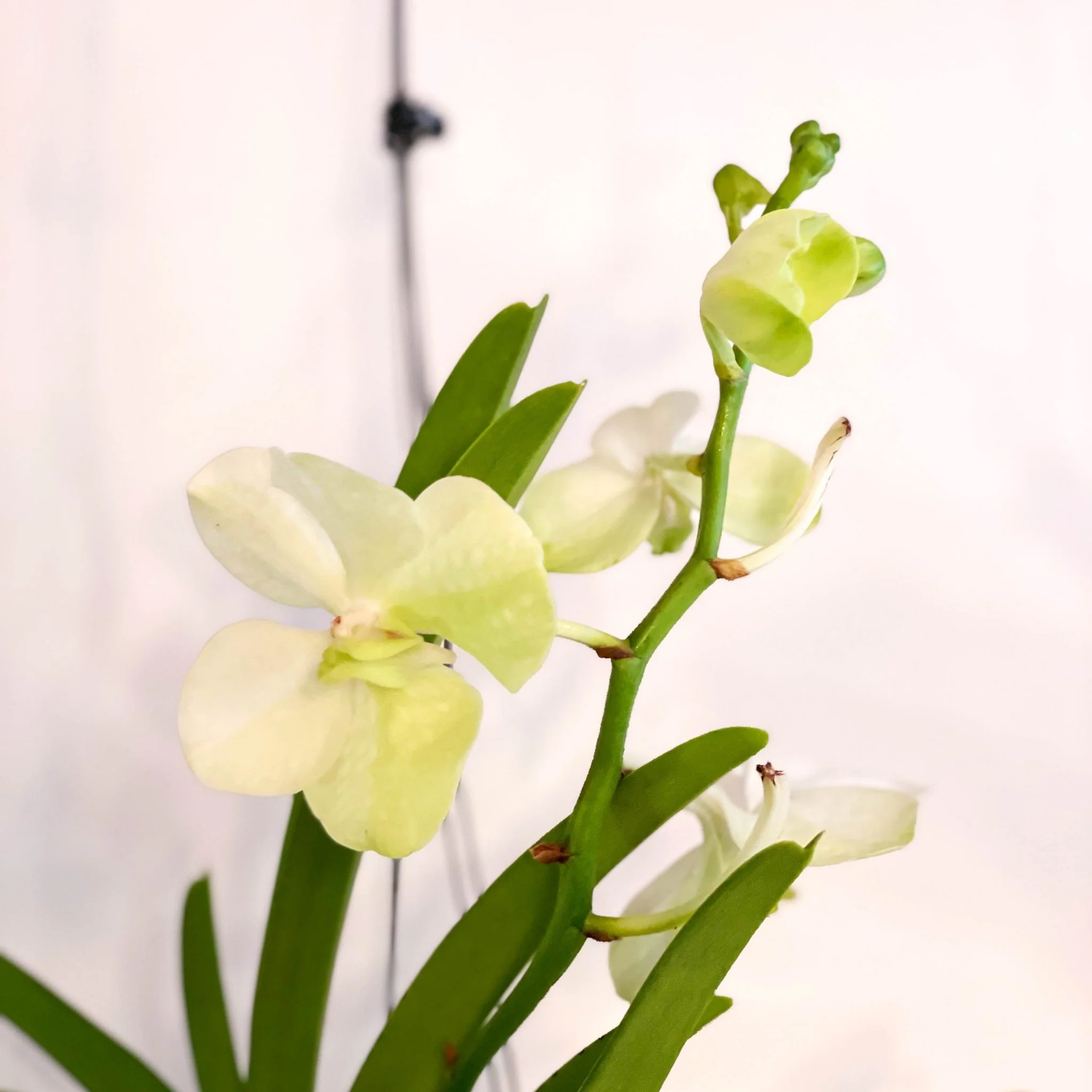
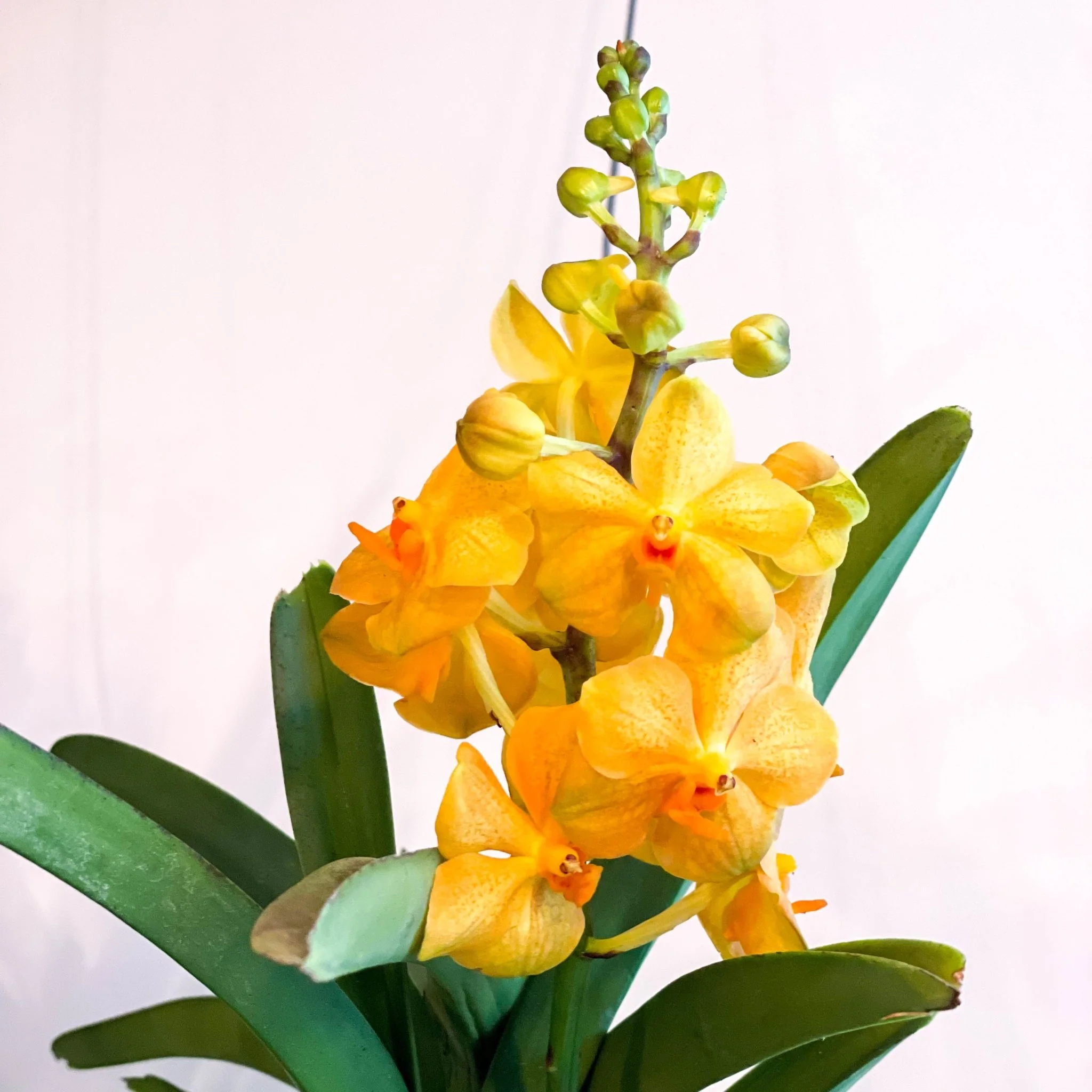
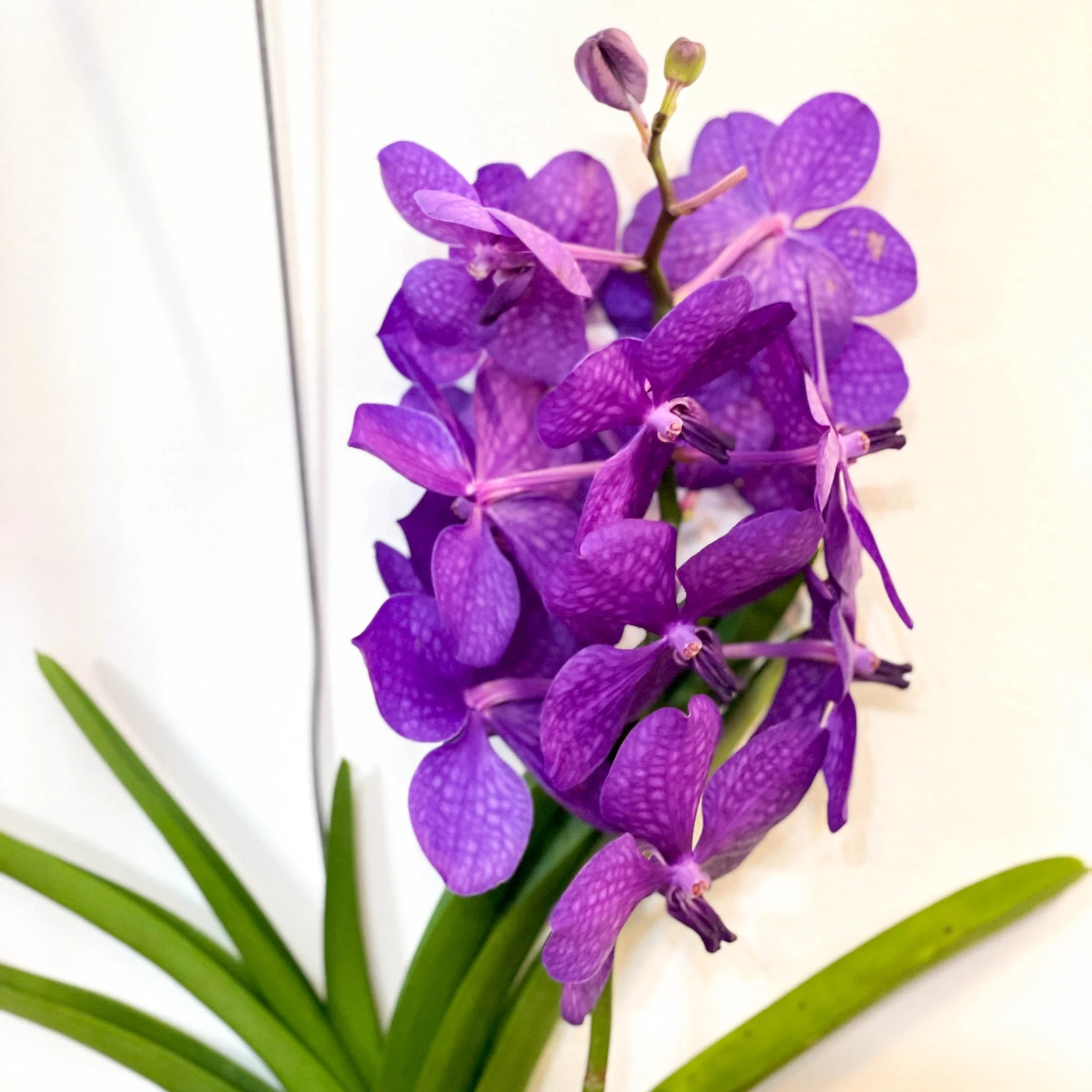
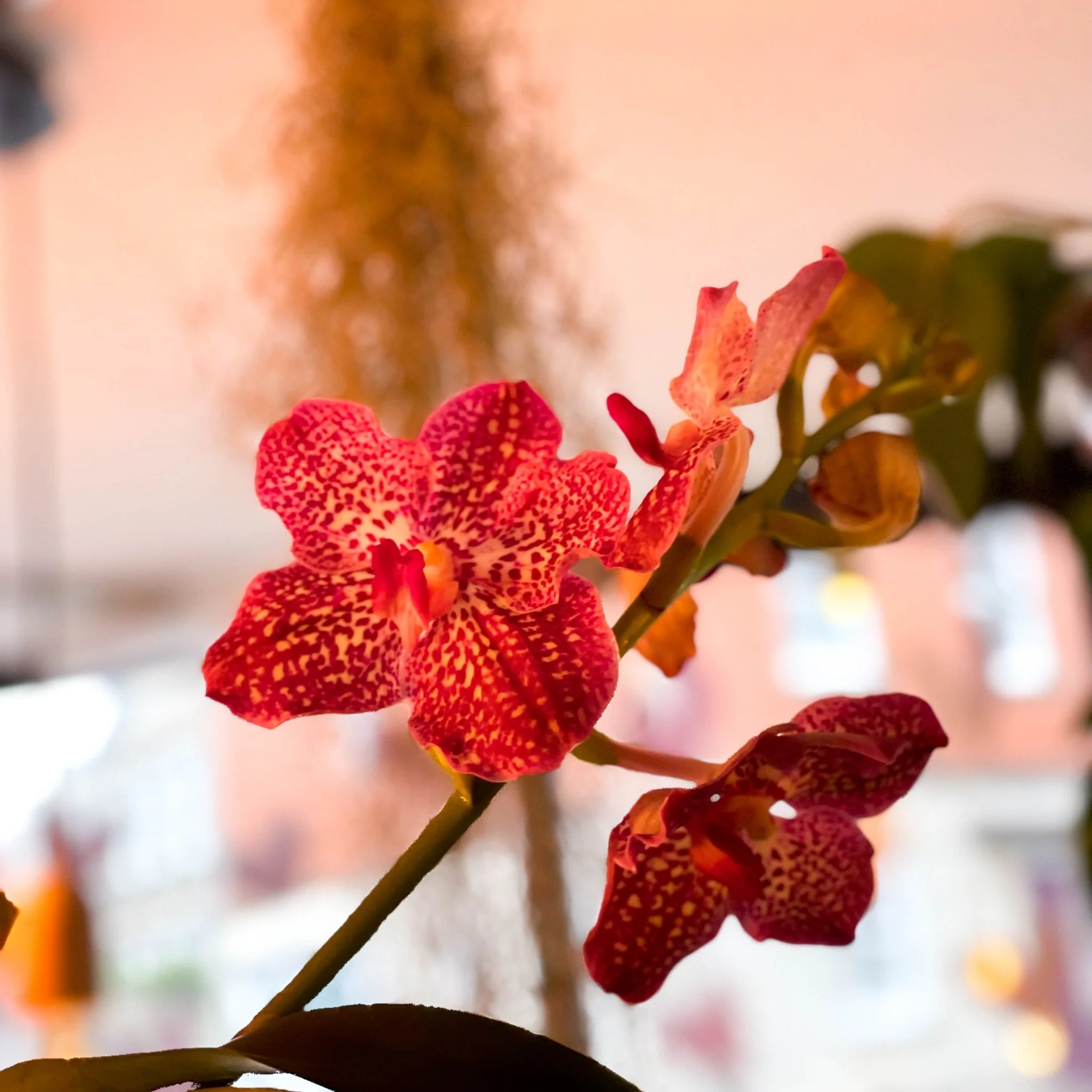
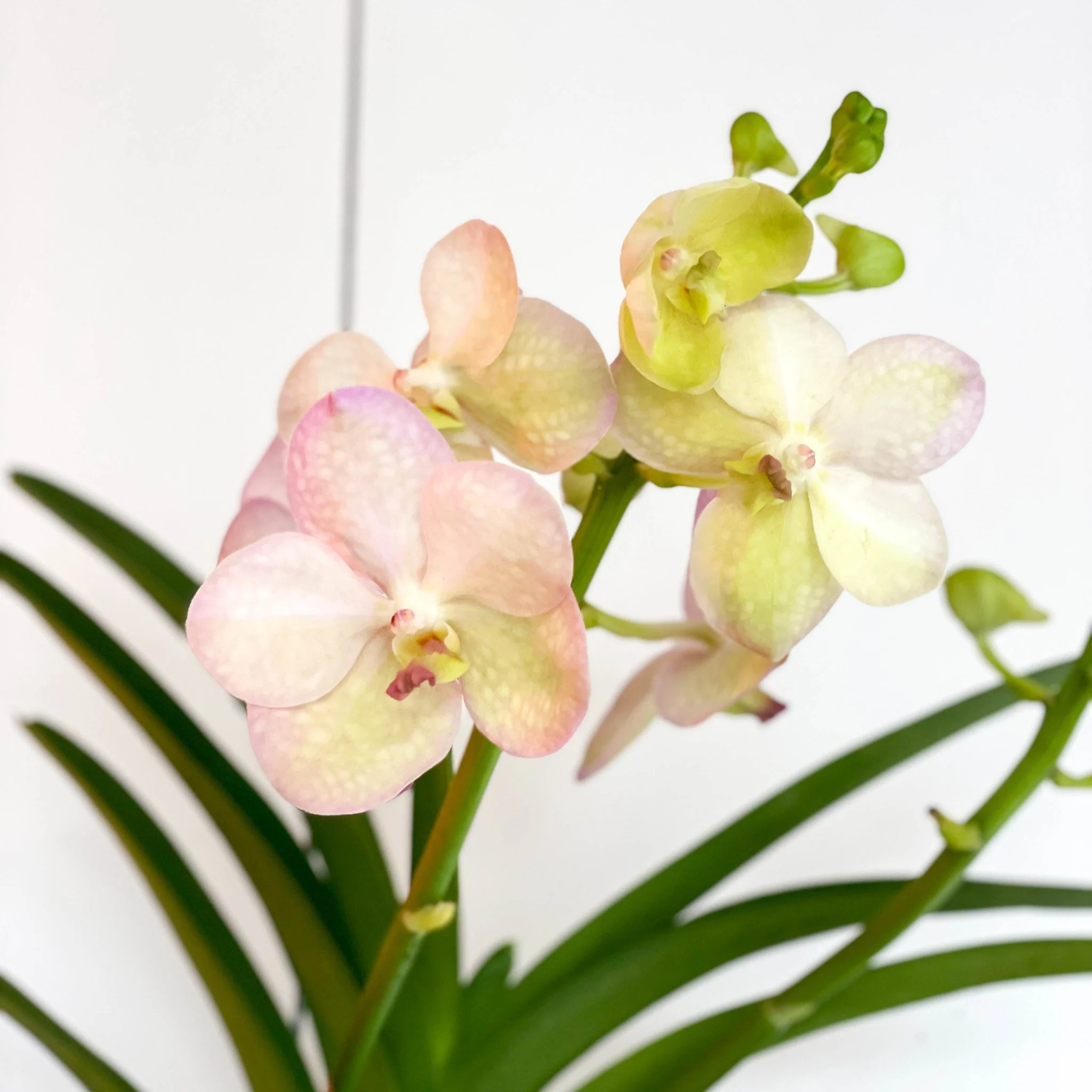
Bring a bold, tropical statement into your space with the Vanda Orchid – Vandaceous (Mixed Colours). Known for their striking, vividly coloured blooms and architectural root systems, Vanda orchids are some of the most eye-catching orchids you can grow. Each plant produces large, intricate flowers in a mix of colours, from rich purples and blues to vibrant oranges and pinks, often with beautiful patterns and markings.
Unlike many orchids, Vandas are typically grown with exposed aerial roots or in open baskets, allowing you to fully appreciate their sculptural form. Perfect for bright spaces, they thrive with plenty of light and reward you with spectacular, long-lasting blooms.
Scientific Name
Vanda spp.
Common Name
Vanda Orchid
Origin
Native to tropical regions of Southeast Asia, including Thailand, the Philippines, and Indonesia.
Light
Loves very bright light. A sunny windowsill or bright conservatory is ideal. Some direct sun is beneficial, especially in the morning or late afternoon.
Water
Water frequently, especially in warmer months. If grown bare-root, soak the roots thoroughly 2–3 times per week, allowing them to dry between waterings. In winter, reduce frequency slightly but do not let roots stay dry for long periods.
Humidity
Prefers high humidity. Ideal for bathrooms, kitchens, or near a humidifier. Regular misting can help, especially in dry indoor environments.
Soil
Often grown without traditional soil. If potted, use a very free-draining orchid mix such as bark. Many are displayed in hanging baskets or glass vases without compost.
Food
Feed every 1–2 weeks during the growing season with a diluted orchid fertiliser. Reduce feeding in winter.
Temperature
Prefers warm conditions between 18–30°C. Avoid temperatures below 12°C and protect from cold drafts.
Pet-safe
Generally considered non-toxic, but not intended for consumption.
Sprouts Top Tips
If your Vanda isn’t flowering, it almost always needs more light – move it somewhere brighter and you should start to see results.
Details & Craftsmanship
Every detail has been carefully considered to bring you the perfect product.
Details & Craftsmanship
Every detail has been carefully considered to bring you the perfect product.
Details & Craftsmanship
Every detail has been carefully considered to bring you the perfect product.
Details & Craftsmanship
Every detail has been carefully considered to bring you the perfect product.
Details & Craftsmanship
Every detail has been carefully considered to bring you the perfect product.
Details & Craftsmanship
Every detail has been carefully considered to bring you the perfect product.
Description
Bring a bold, tropical statement into your space with the Vanda Orchid – Vandaceous (Mixed Colours). Known for their striking, vividly coloured blooms and architectural root systems, Vanda orchids are some of the most eye-catching orchids you can grow. Each plant produces large, intricate flowers in a mix of colours, from rich purples and blues to vibrant oranges and pinks, often with beautiful patterns and markings.
Unlike many orchids, Vandas are typically grown with exposed aerial roots or in open baskets, allowing you to fully appreciate their sculptural form. Perfect for bright spaces, they thrive with plenty of light and reward you with spectacular, long-lasting blooms.
Scientific Name
Vanda spp.
Common Name
Vanda Orchid
Origin
Native to tropical regions of Southeast Asia, including Thailand, the Philippines, and Indonesia.
Light
Loves very bright light. A sunny windowsill or bright conservatory is ideal. Some direct sun is beneficial, especially in the morning or late afternoon.
Water
Water frequently, especially in warmer months. If grown bare-root, soak the roots thoroughly 2–3 times per week, allowing them to dry between waterings. In winter, reduce frequency slightly but do not let roots stay dry for long periods.
Humidity
Prefers high humidity. Ideal for bathrooms, kitchens, or near a humidifier. Regular misting can help, especially in dry indoor environments.
Soil
Often grown without traditional soil. If potted, use a very free-draining orchid mix such as bark. Many are displayed in hanging baskets or glass vases without compost.
Food
Feed every 1–2 weeks during the growing season with a diluted orchid fertiliser. Reduce feeding in winter.
Temperature
Prefers warm conditions between 18–30°C. Avoid temperatures below 12°C and protect from cold drafts.
Pet-safe
Generally considered non-toxic, but not intended for consumption.
Sprouts Top Tips
If your Vanda isn’t flowering, it almost always needs more light – move it somewhere brighter and you should start to see results.