Original: $6.83
-65%$6.83
$2.39The Story
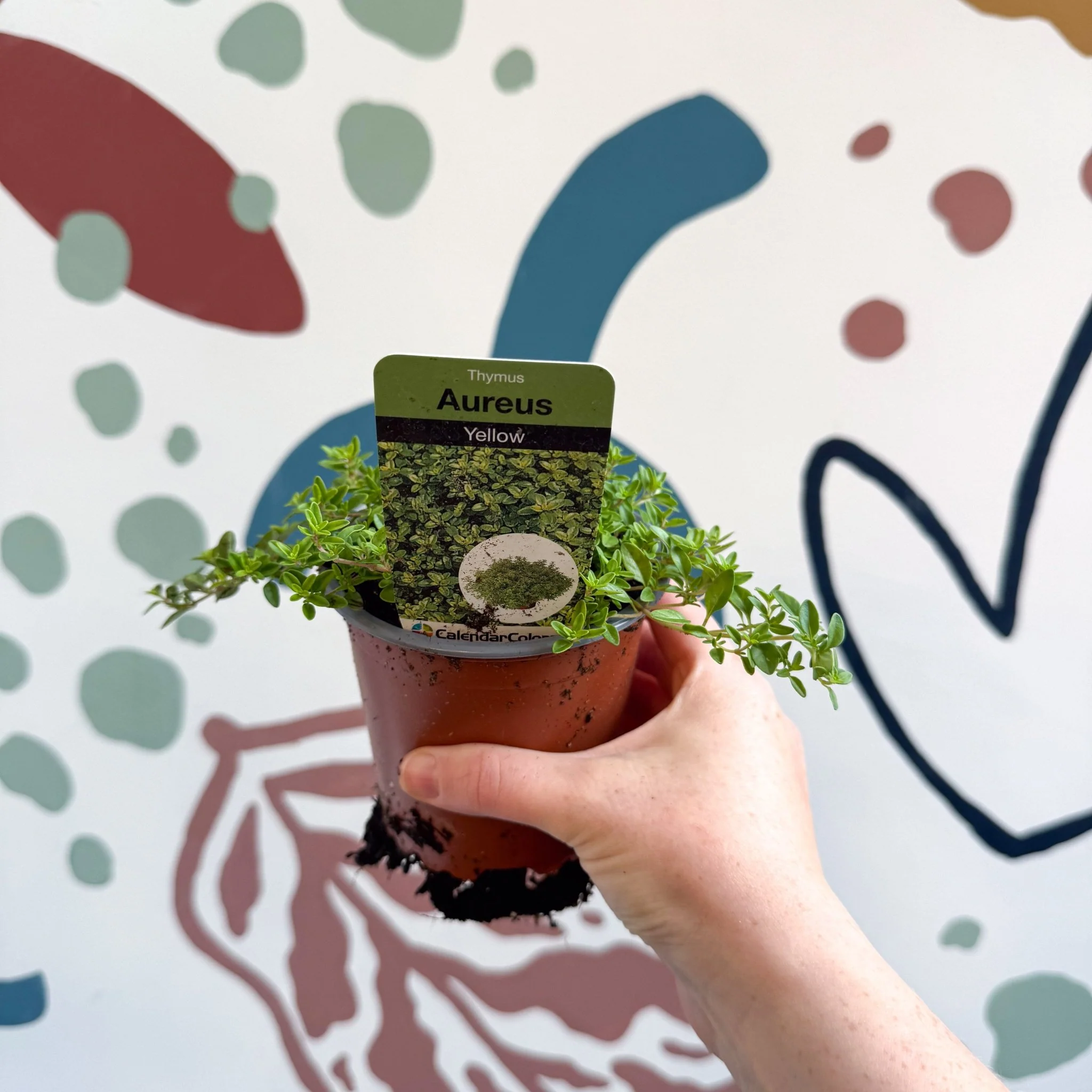
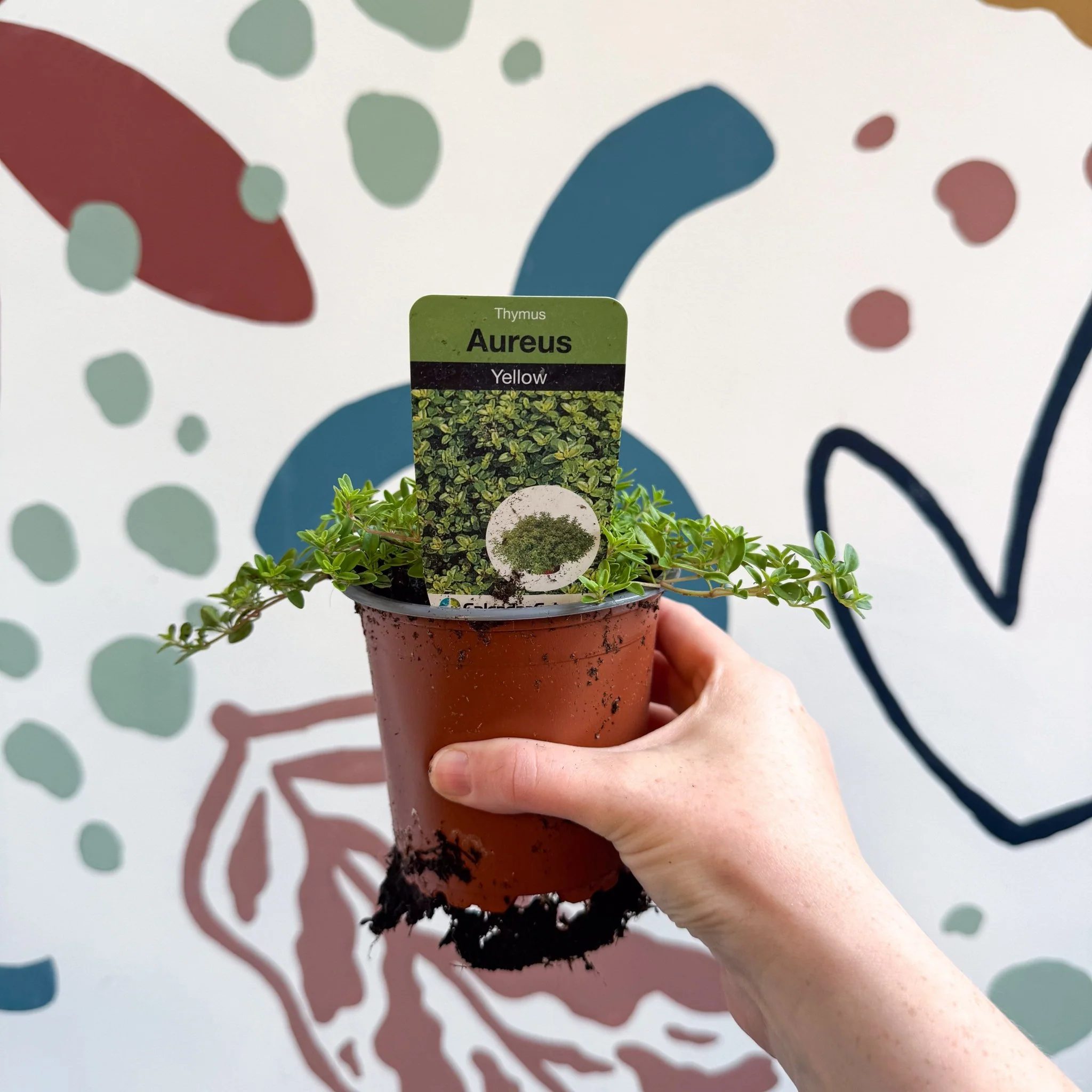
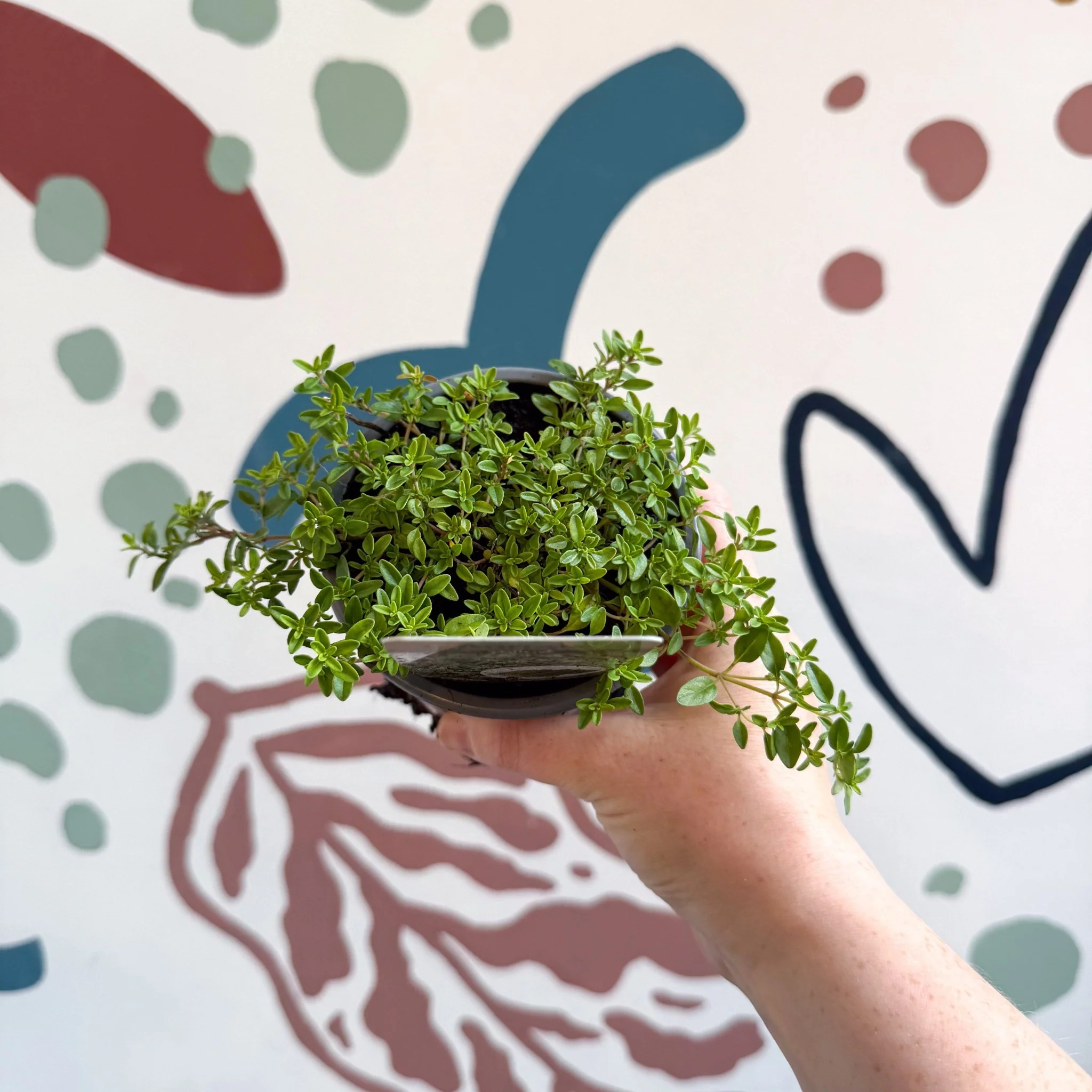
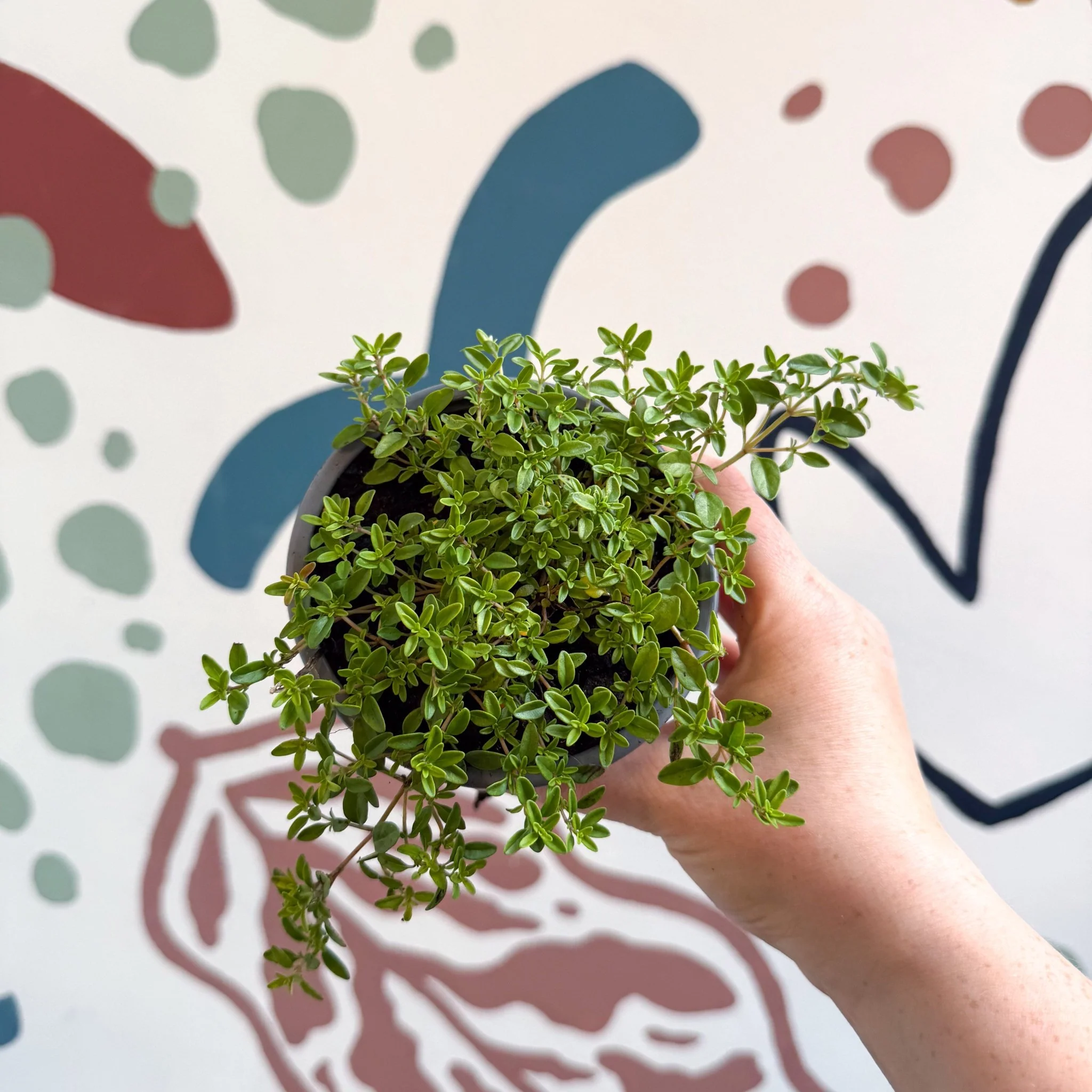
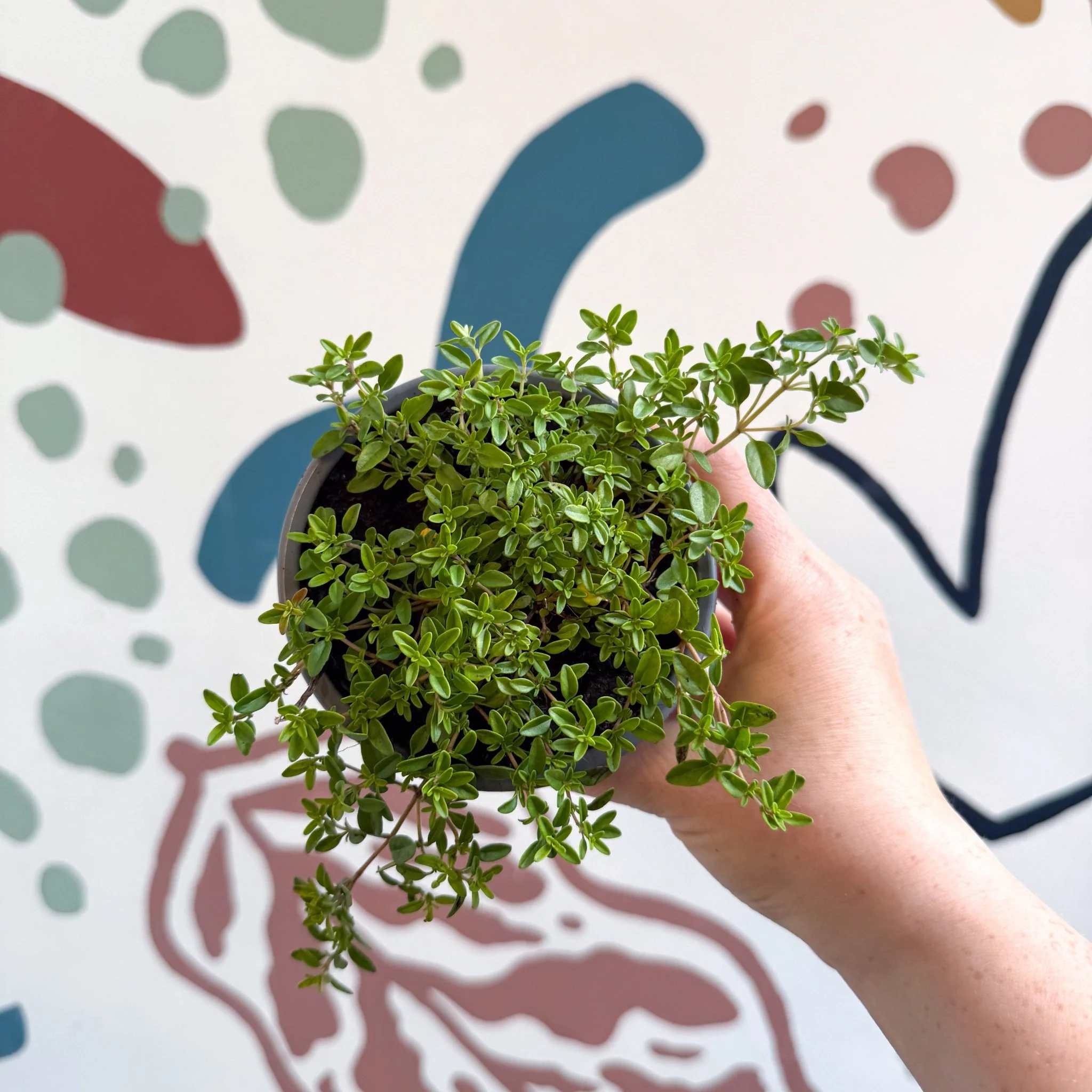
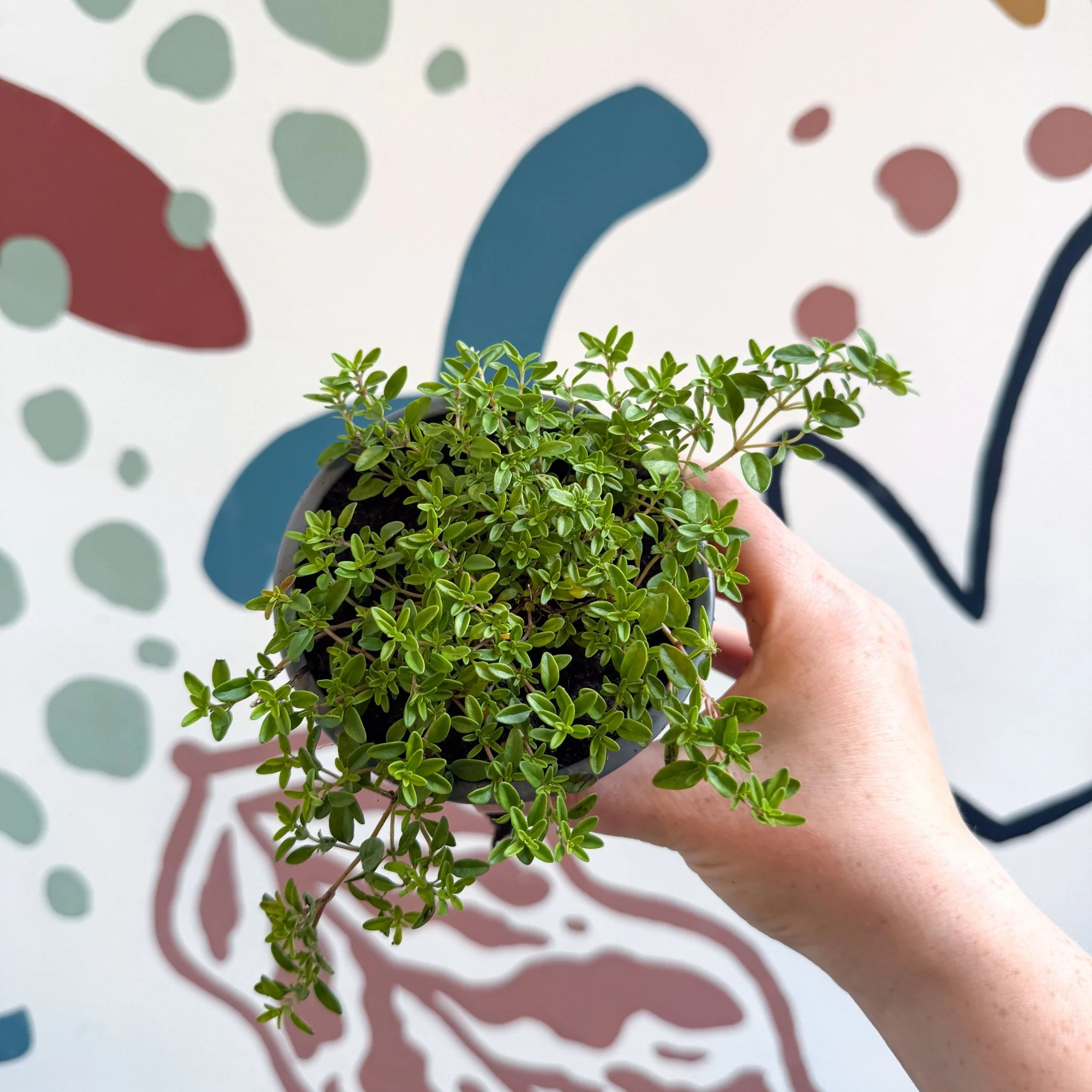
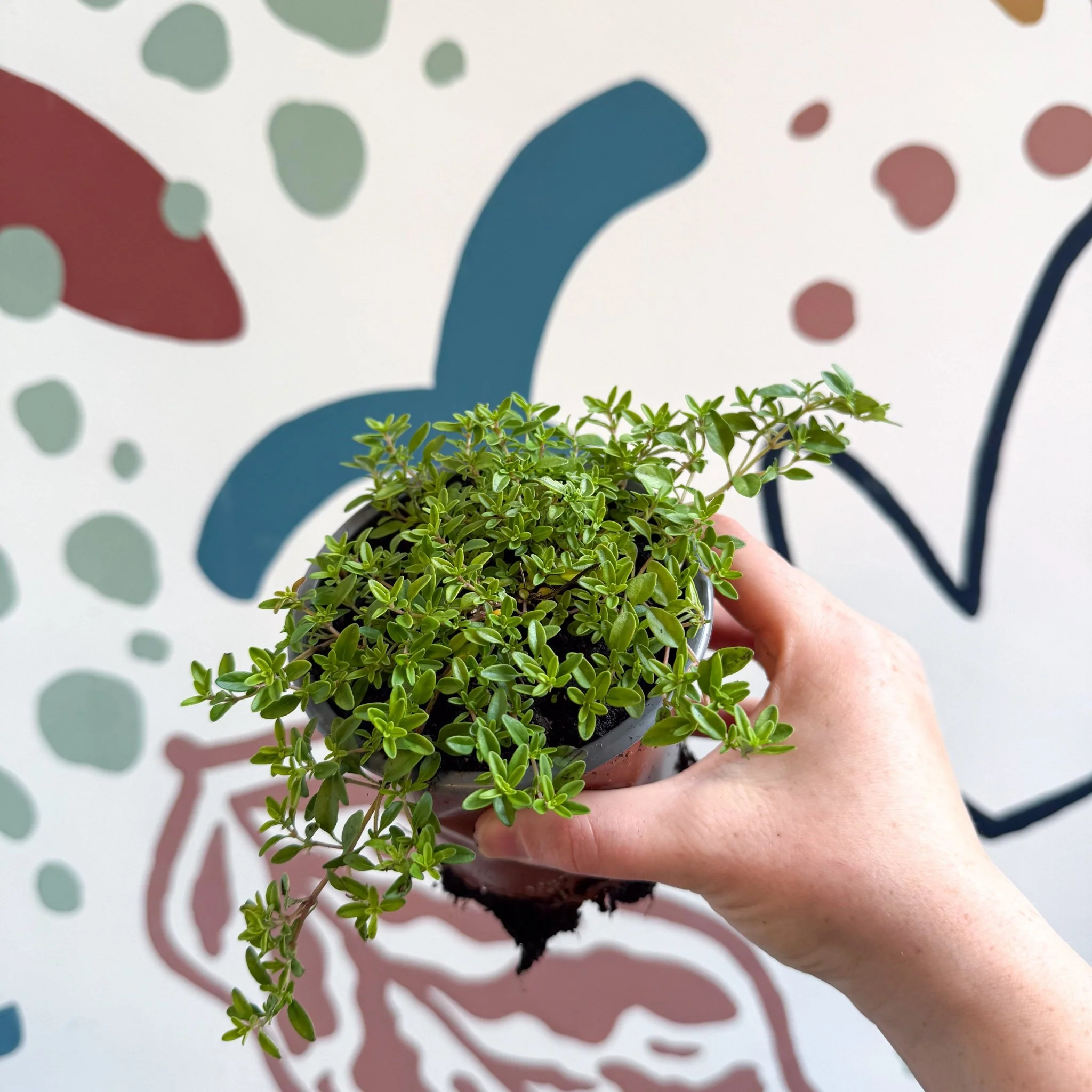
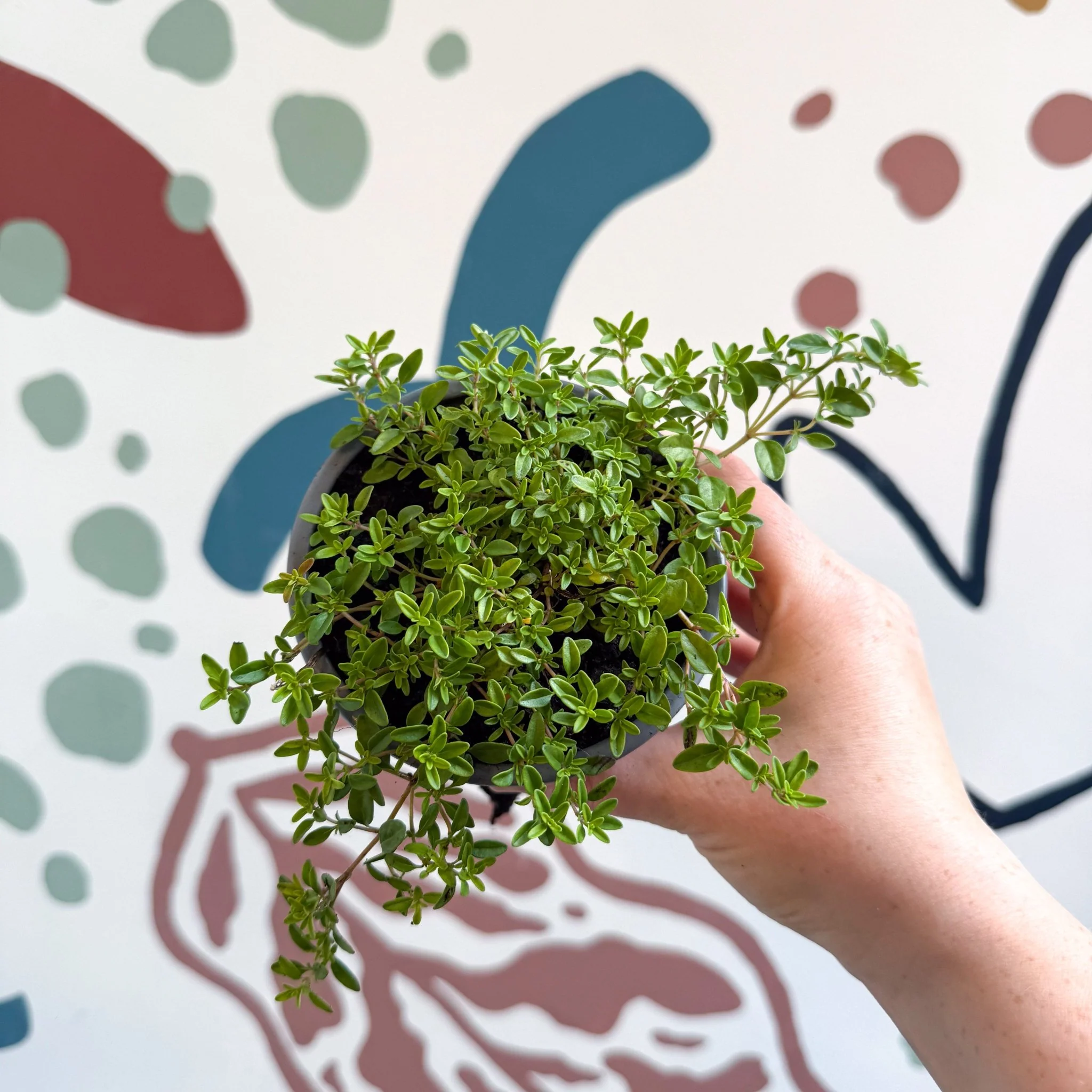
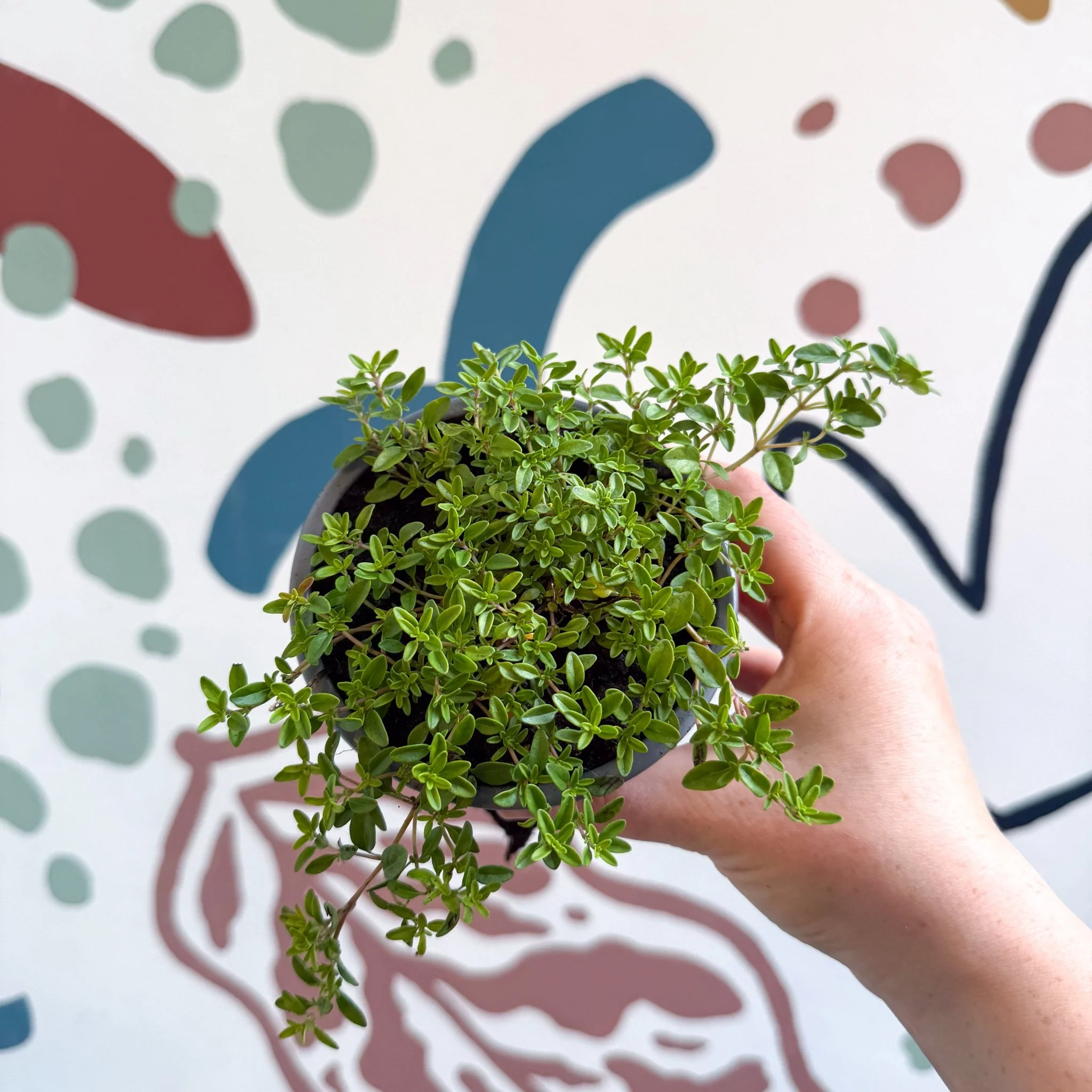
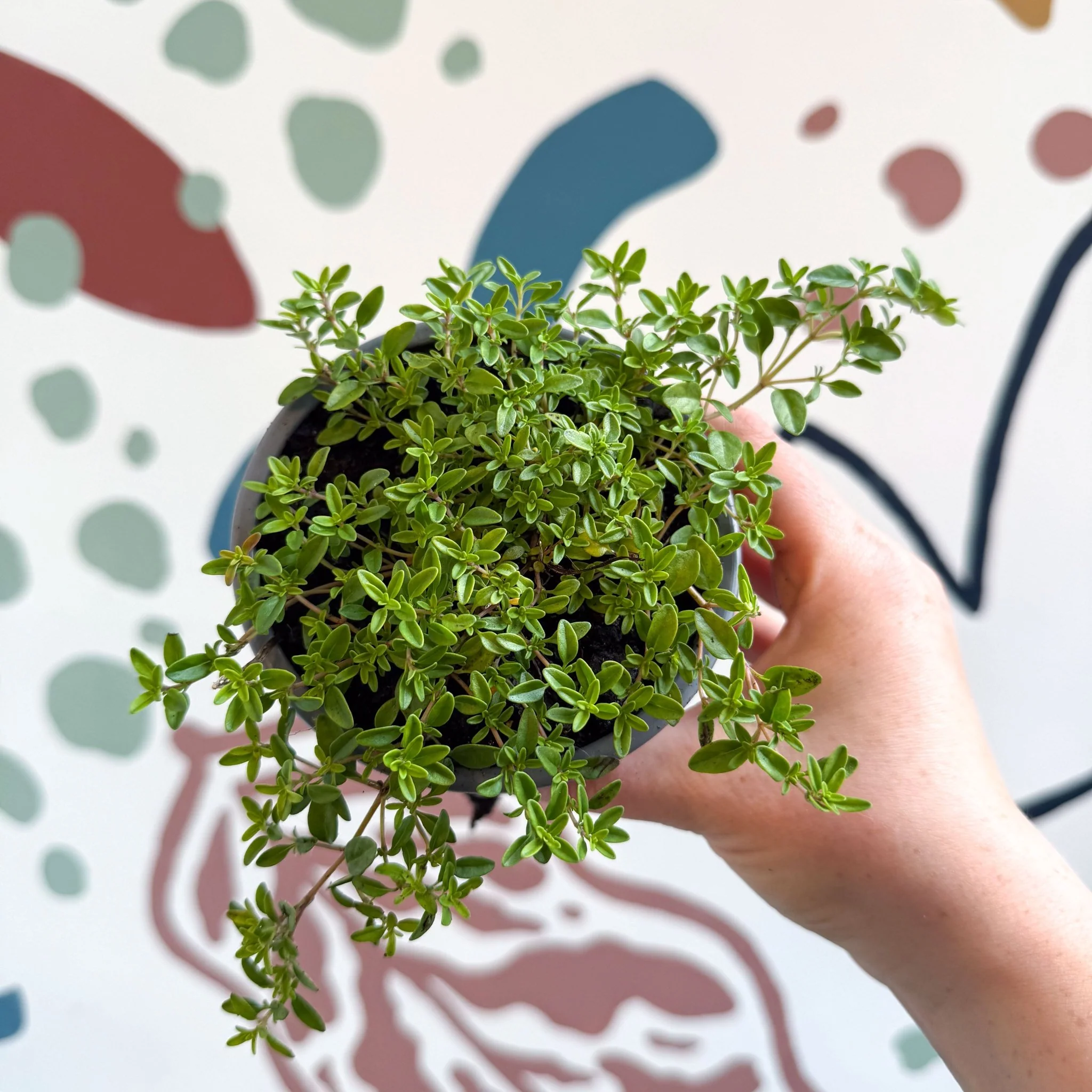
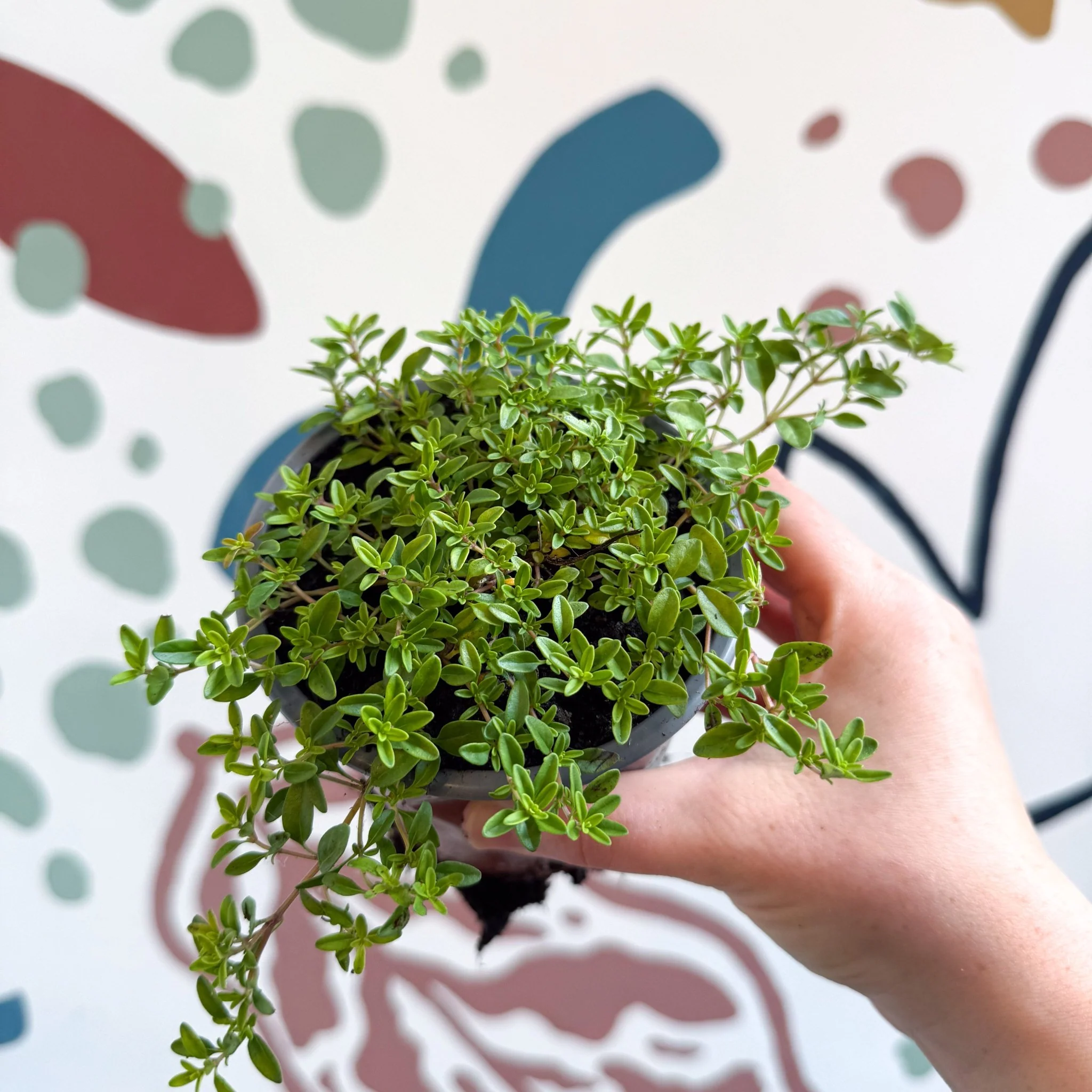
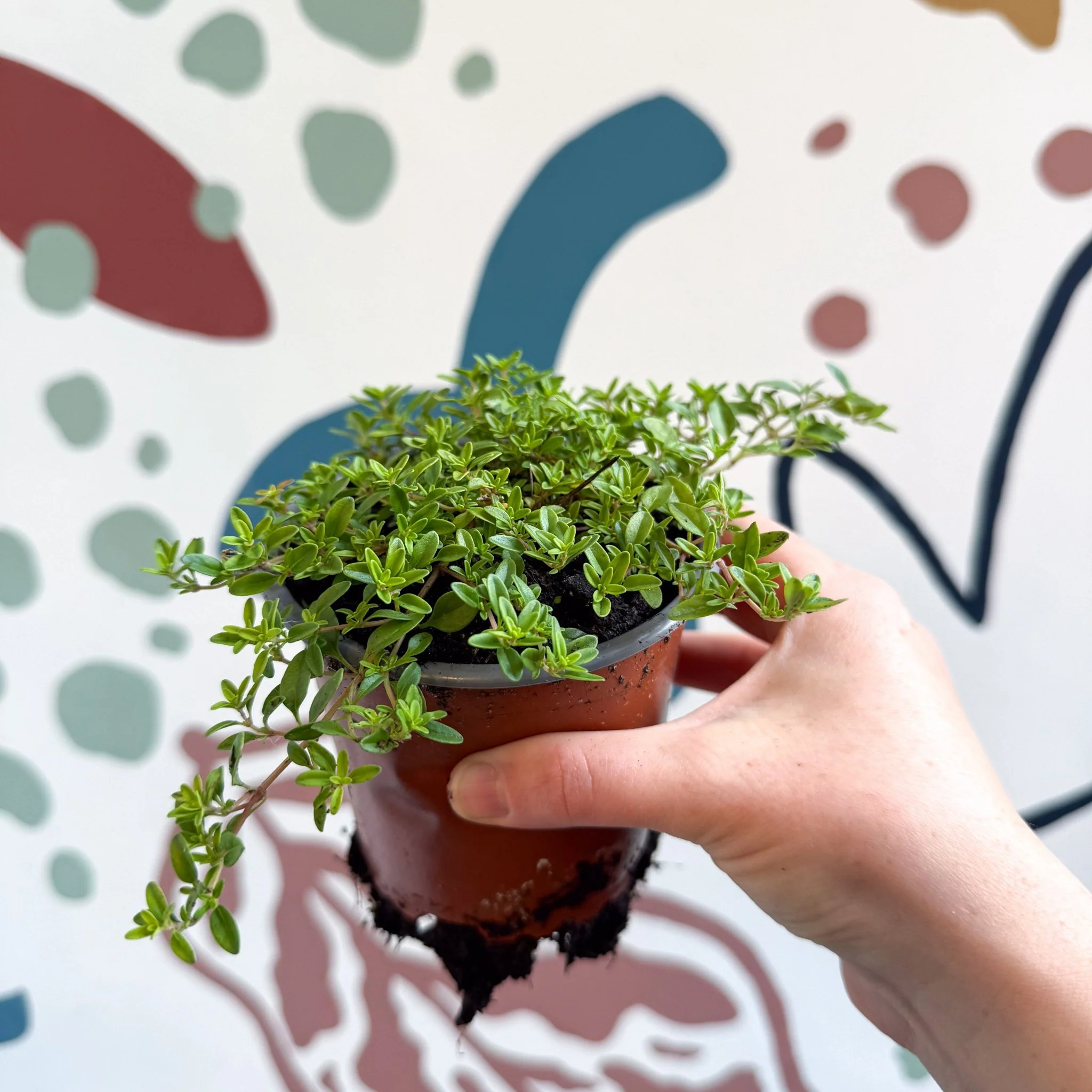
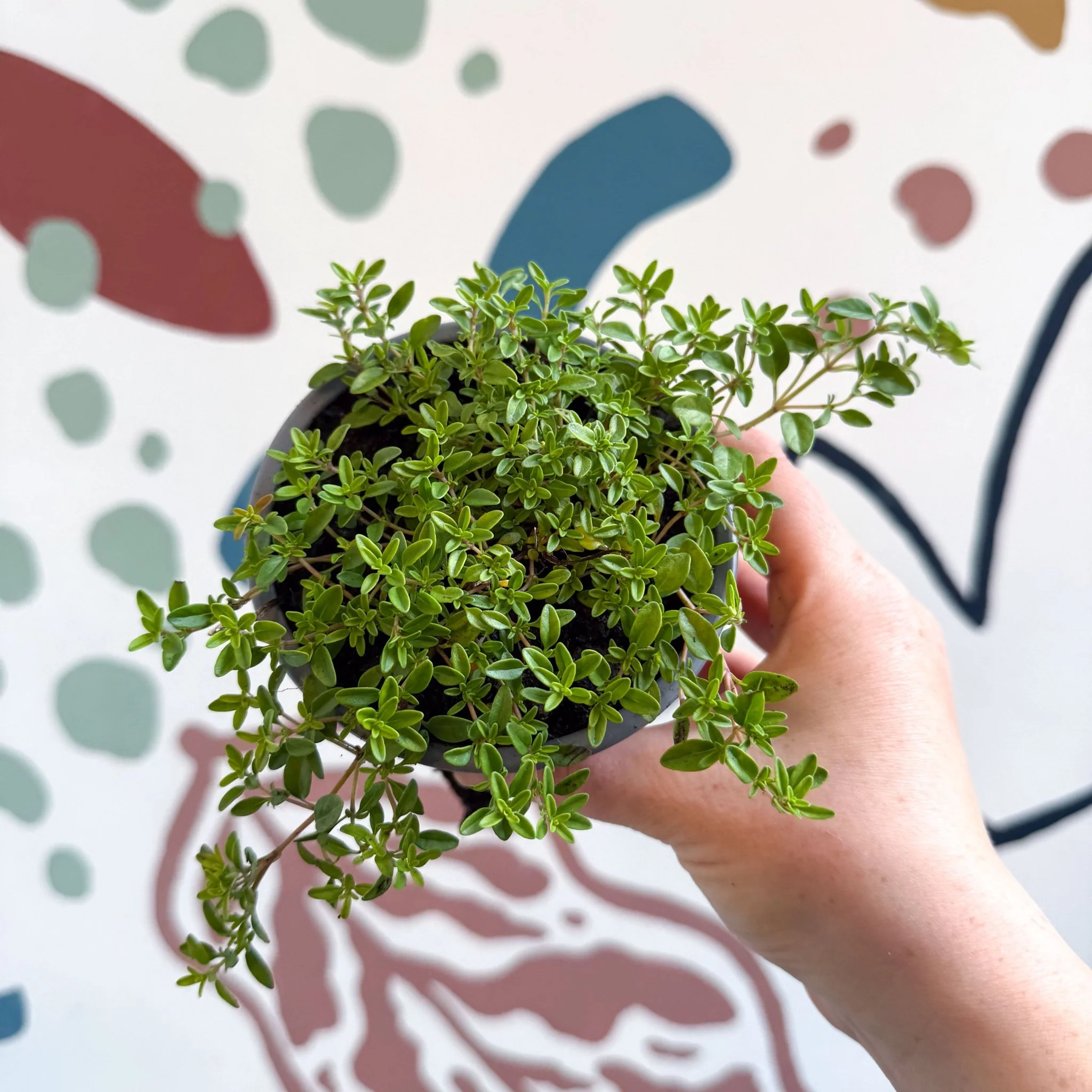
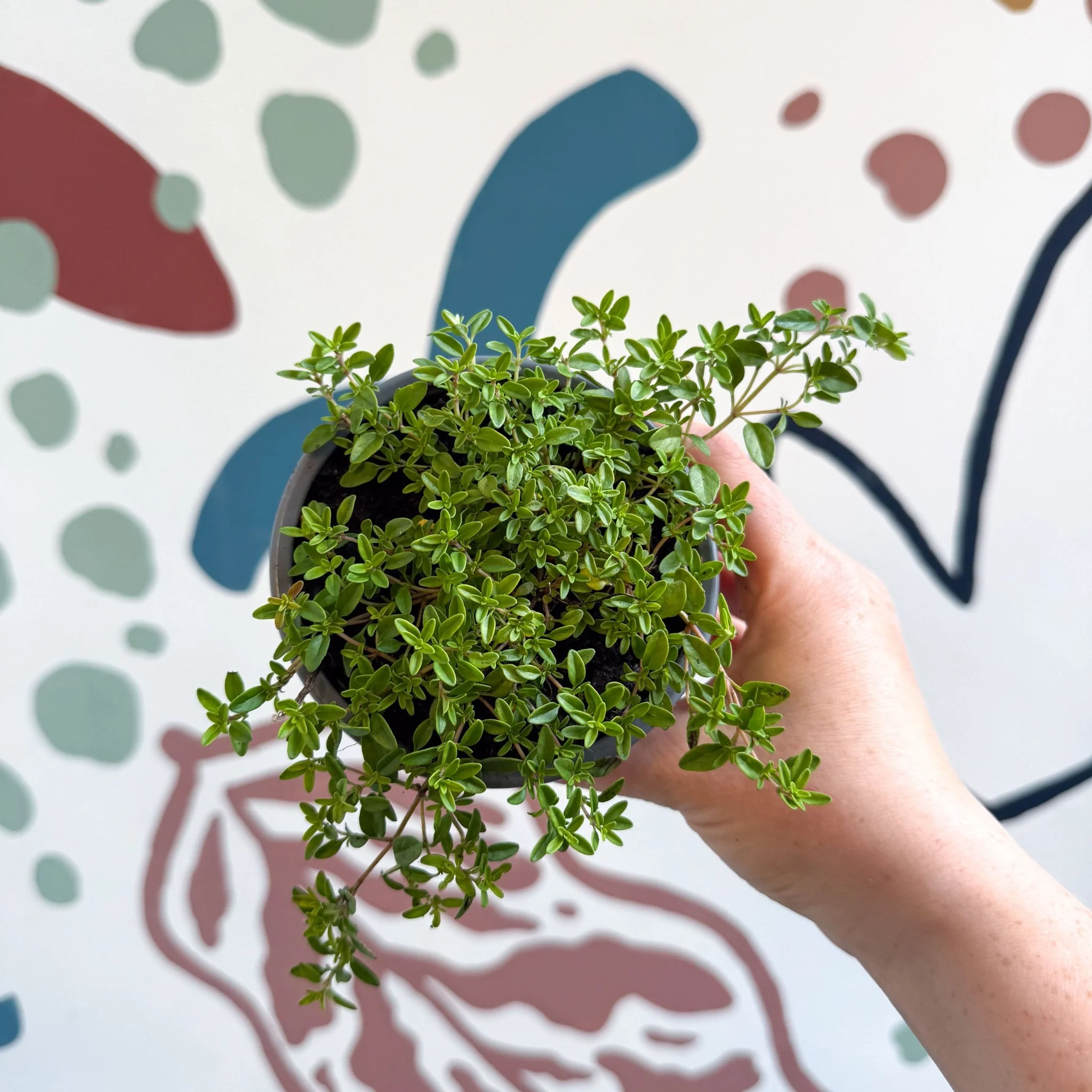
Golden-yellow tones run through the foliage of this vibrant herb, with soft green leaves edged in warm gold. When brushed or crushed, the leaves release a fresh, citrusy scent that instantly lifts the senses. Hardy throughout most of the UK, down to around -15°C.
This evergreen thyme plant will fill your home or garden with its bright lemon fragrance. Its colourful foliage adds year-round interest, and in summer it produces spires of tiny lilac-pink flowers that attract pollinators. As well as looking and smelling beautiful, it’s also incredibly versatile – perfect for cooking, teas, and garnishing everything from roasted vegetables to fresh salads. Native to the Mediterranean, it thrives in dry, sunny conditions, making it ideal for rock gardens, borders, path edging, or even as a fragrant lawn alternative.
|
Evergreen Perennial |
Herb with bushy foliage |
Flowers in June and July, foliage can be harvested year-round. |
Scientific Name
Thymus x citriodorus 'Aureus' (citrus-smelling hybrid thyme, cultivar: aureus)
Common Name
Lemon Creeping Thyme, Lemon Thyme
Origin
Native to France and Spain, this hybrid thyme has also been introduced in Germany and here in Great Britain.
Pruning Tips
It's not necessary to prune this plant, but you can trim back in spring to help keep a nice, neat shape.
Wildlife Value
Supplies nectar for butterflies and nectar-drinking moths; also supplies nectar and pollen for bees including honeybees, and there is research to suggest it can give them protection against disease too! Also attracts hoverflies.
Positioning
Grow this plant in full sun; it will do best in a sheltered spot but can grow in more exposed areas too.
Water
Your thyme is drought tolerant so don't worry too much about watering except in extremely dry weather or in a smaller container.
Soil
Use a well-draining soil to keep this plant happy. An alkaline soil, with chalk, loam or sand as a base will work well here.
Food
This plant doesn't like rich soil but will benefit from a feed in spring and summer; one high in potassium, such as a tomato feed, will be ideal.
Pet-safe
Yes - no toxicity reported, though it's best for the plant and your pets if they don't nibble too much!
Sprouts Top Tips
If you want to divide this plant, spring is the best time; for semi-hardwood cuttings, mid- to late summer is best. If you harvest this plant frequently, you will help it keep its shape and won't need to prune; just make sure you don't take to much without giving the plant time to recover.
Details & Craftsmanship
Every detail has been carefully considered to bring you the perfect product.
Details & Craftsmanship
Every detail has been carefully considered to bring you the perfect product.
Details & Craftsmanship
Every detail has been carefully considered to bring you the perfect product.
Details & Craftsmanship
Every detail has been carefully considered to bring you the perfect product.
Details & Craftsmanship
Every detail has been carefully considered to bring you the perfect product.
Details & Craftsmanship
Every detail has been carefully considered to bring you the perfect product.
Details & Craftsmanship
Every detail has been carefully considered to bring you the perfect product.
Details & Craftsmanship
Every detail has been carefully considered to bring you the perfect product.
Details & Craftsmanship
Every detail has been carefully considered to bring you the perfect product.
Details & Craftsmanship
Every detail has been carefully considered to bring you the perfect product.
Details & Craftsmanship
Every detail has been carefully considered to bring you the perfect product.
Details & Craftsmanship
Every detail has been carefully considered to bring you the perfect product.
Details & Craftsmanship
Every detail has been carefully considered to bring you the perfect product.
Description
Golden-yellow tones run through the foliage of this vibrant herb, with soft green leaves edged in warm gold. When brushed or crushed, the leaves release a fresh, citrusy scent that instantly lifts the senses. Hardy throughout most of the UK, down to around -15°C.
This evergreen thyme plant will fill your home or garden with its bright lemon fragrance. Its colourful foliage adds year-round interest, and in summer it produces spires of tiny lilac-pink flowers that attract pollinators. As well as looking and smelling beautiful, it’s also incredibly versatile – perfect for cooking, teas, and garnishing everything from roasted vegetables to fresh salads. Native to the Mediterranean, it thrives in dry, sunny conditions, making it ideal for rock gardens, borders, path edging, or even as a fragrant lawn alternative.
|
Evergreen Perennial |
Herb with bushy foliage |
Flowers in June and July, foliage can be harvested year-round. |
Scientific Name
Thymus x citriodorus 'Aureus' (citrus-smelling hybrid thyme, cultivar: aureus)
Common Name
Lemon Creeping Thyme, Lemon Thyme
Origin
Native to France and Spain, this hybrid thyme has also been introduced in Germany and here in Great Britain.
Pruning Tips
It's not necessary to prune this plant, but you can trim back in spring to help keep a nice, neat shape.
Wildlife Value
Supplies nectar for butterflies and nectar-drinking moths; also supplies nectar and pollen for bees including honeybees, and there is research to suggest it can give them protection against disease too! Also attracts hoverflies.
Positioning
Grow this plant in full sun; it will do best in a sheltered spot but can grow in more exposed areas too.
Water
Your thyme is drought tolerant so don't worry too much about watering except in extremely dry weather or in a smaller container.
Soil
Use a well-draining soil to keep this plant happy. An alkaline soil, with chalk, loam or sand as a base will work well here.
Food
This plant doesn't like rich soil but will benefit from a feed in spring and summer; one high in potassium, such as a tomato feed, will be ideal.
Pet-safe
Yes - no toxicity reported, though it's best for the plant and your pets if they don't nibble too much!
Sprouts Top Tips
If you want to divide this plant, spring is the best time; for semi-hardwood cuttings, mid- to late summer is best. If you harvest this plant frequently, you will help it keep its shape and won't need to prune; just make sure you don't take to much without giving the plant time to recover.