Original: $9.57
-65%$9.57
$3.35The Story
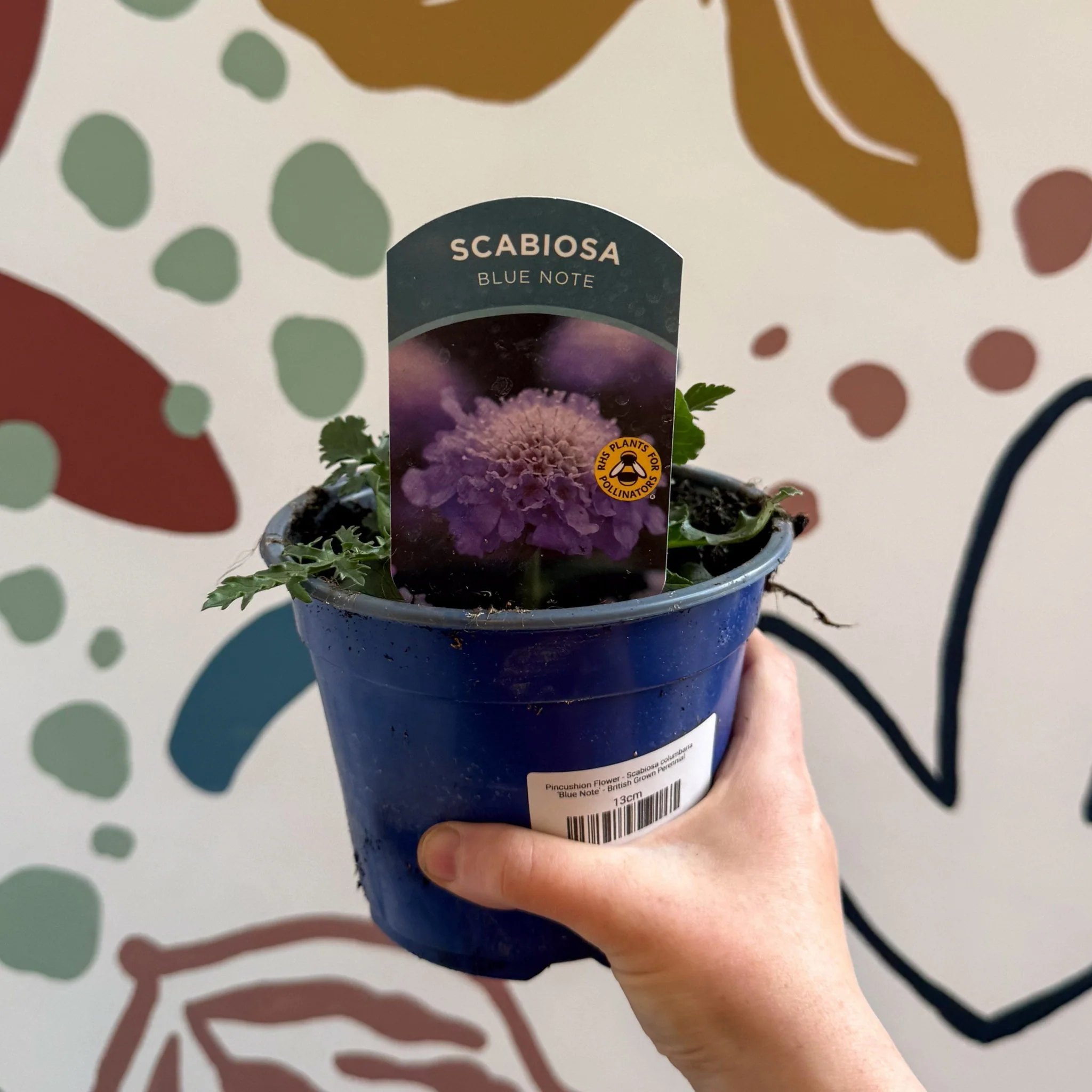
Common Name
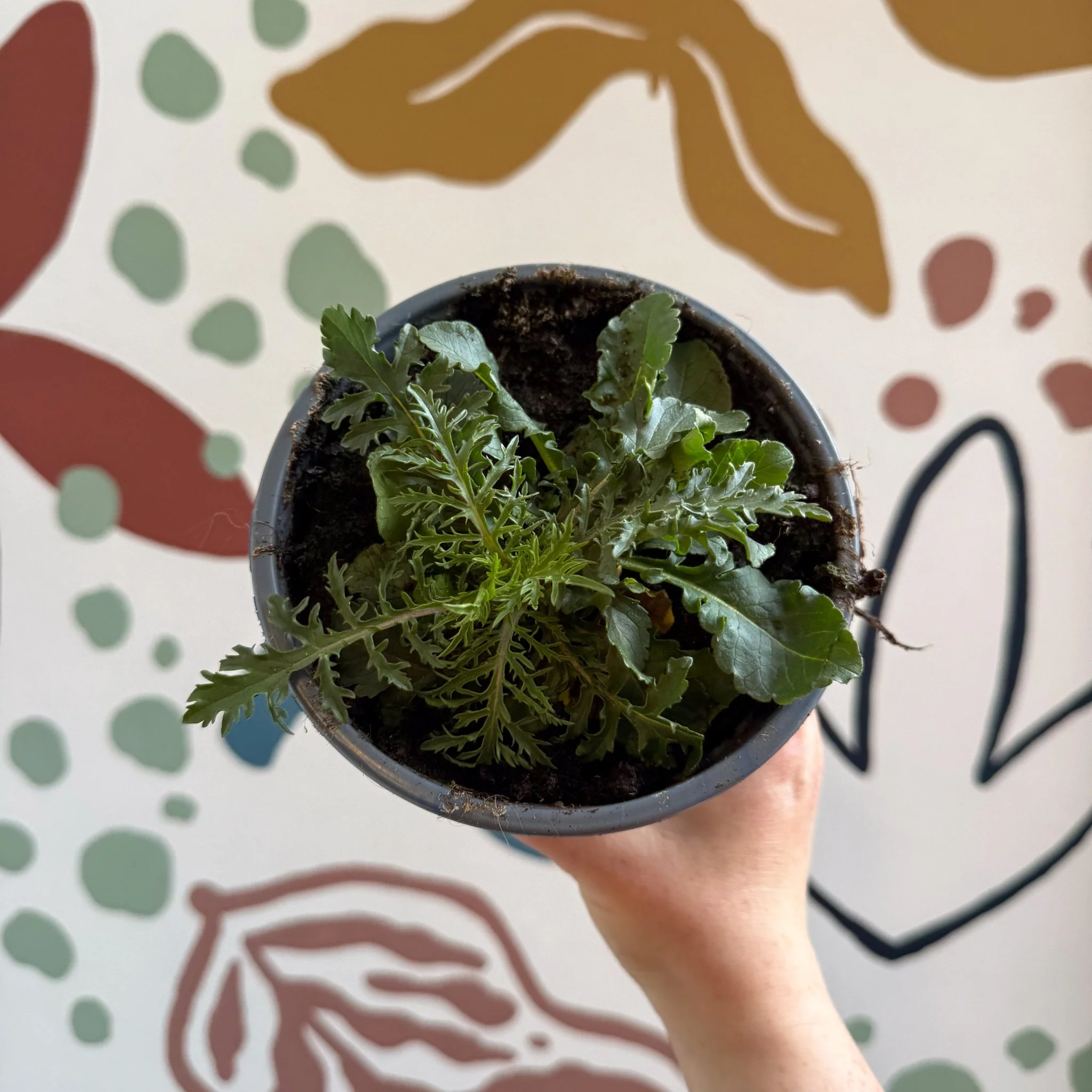
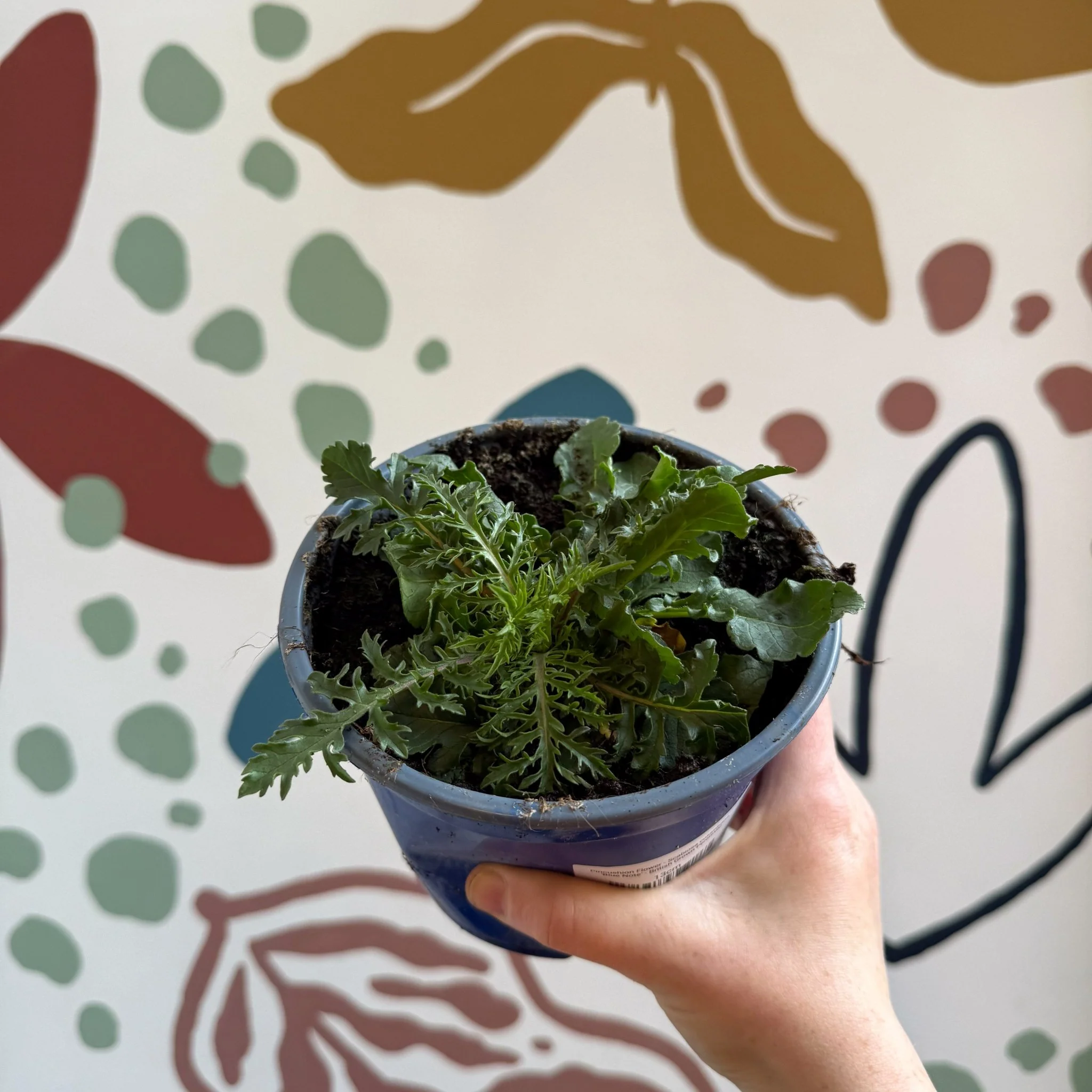
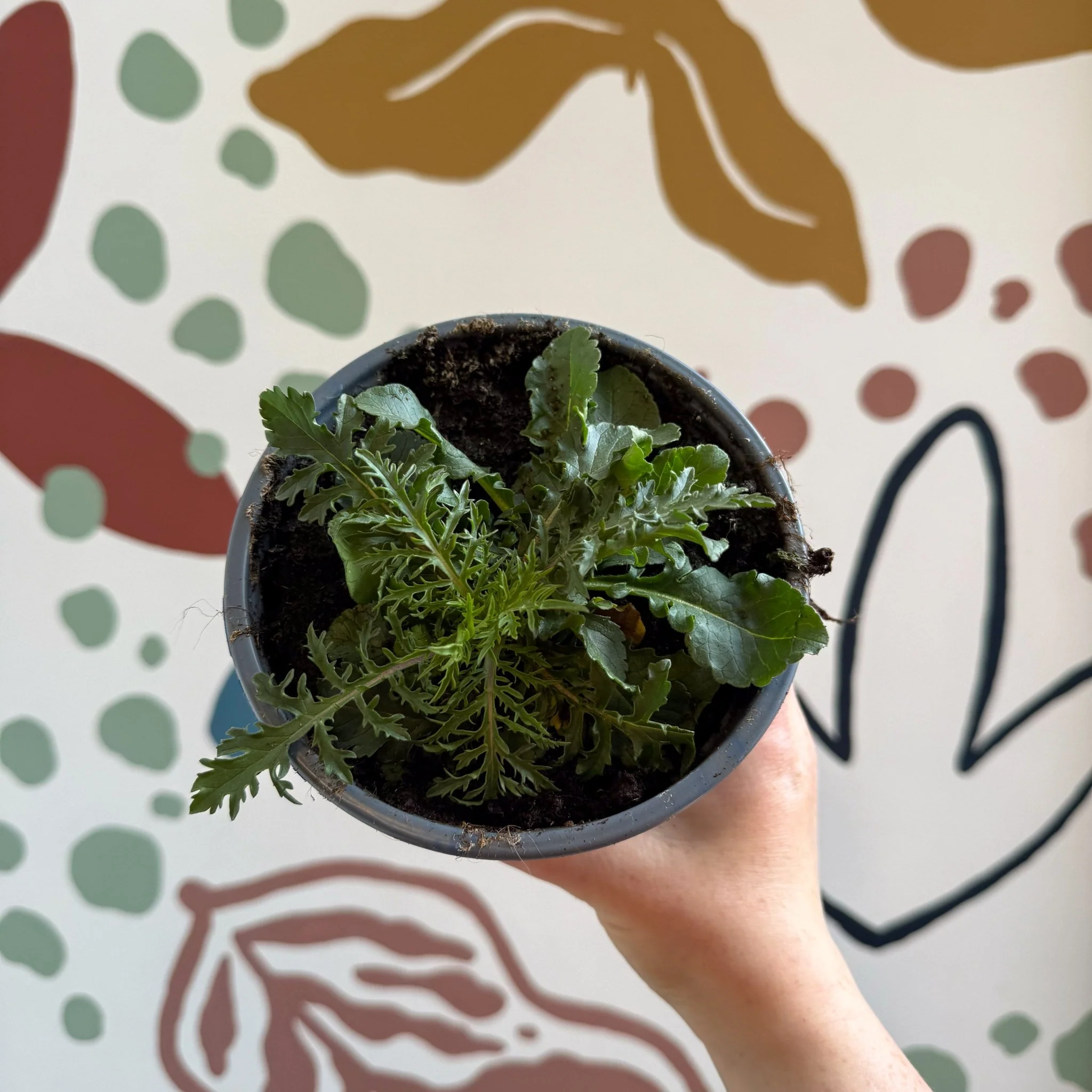
Scabious, Pincushion Flower
Origin
Native to the UK.
Pruning Tips
Deadhead to promote longer flowering; cut stems to ground level in winter.
Wildlife Value
Provides pollen and nectar/forage for butterflies, hoverflies, moths and bees, alongside a range of other pollinators. Their seeds are also good for birds.
Positioning
Place in full sun; this plant can grow in either a sheltered or an exposed spot.
Water
If growing in a container, water in dry weather; if in the ground, this plant is drought tolerant once established so shouldn't need extra water unless the weather is extremely hot and dry.
Soil
Use well-draining but moisture-retentive soil; add sand to help drainage if your soil has high clay content. Neutral to alkaline soil is best.
Food
Your pincushion flower should get all it needs from the soil without needing extra food; mulch the soil annually to ensure it replenishes the nutrients.
Pet-safe
Yes- no toxicity reported, though it's best for the plant and your pets if they don't nibble too much!
Sprouts Top Tips
Leave the seed heads in place after flowering; this will help it re-seed to flower year on year, and will help feed the birds. Cut back the stems in late winter before the plants starts to grow again.
Details & Craftsmanship
Every detail has been carefully considered to bring you the perfect product.
Details & Craftsmanship
Every detail has been carefully considered to bring you the perfect product.
Details & Craftsmanship
Every detail has been carefully considered to bring you the perfect product.
Details & Craftsmanship
Every detail has been carefully considered to bring you the perfect product.
Details & Craftsmanship
Every detail has been carefully considered to bring you the perfect product.
Description
Common Name
Scabious, Pincushion Flower
Origin
Native to the UK.
Pruning Tips
Deadhead to promote longer flowering; cut stems to ground level in winter.
Wildlife Value
Provides pollen and nectar/forage for butterflies, hoverflies, moths and bees, alongside a range of other pollinators. Their seeds are also good for birds.
Positioning
Place in full sun; this plant can grow in either a sheltered or an exposed spot.
Water
If growing in a container, water in dry weather; if in the ground, this plant is drought tolerant once established so shouldn't need extra water unless the weather is extremely hot and dry.
Soil
Use well-draining but moisture-retentive soil; add sand to help drainage if your soil has high clay content. Neutral to alkaline soil is best.
Food
Your pincushion flower should get all it needs from the soil without needing extra food; mulch the soil annually to ensure it replenishes the nutrients.
Pet-safe
Yes- no toxicity reported, though it's best for the plant and your pets if they don't nibble too much!
Sprouts Top Tips
Leave the seed heads in place after flowering; this will help it re-seed to flower year on year, and will help feed the birds. Cut back the stems in late winter before the plants starts to grow again.