
Original: $10.93
-65%$10.93
$3.83The Story
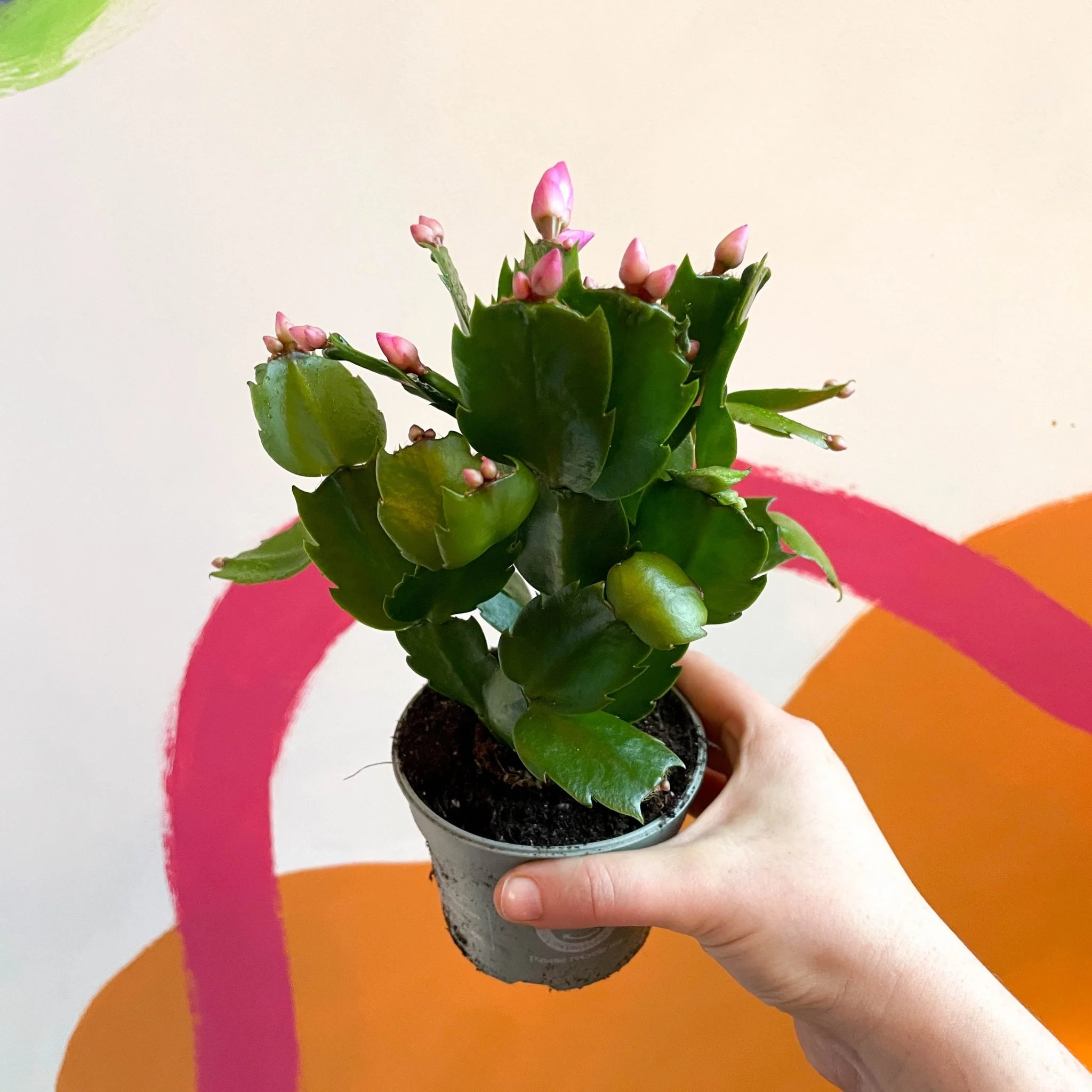
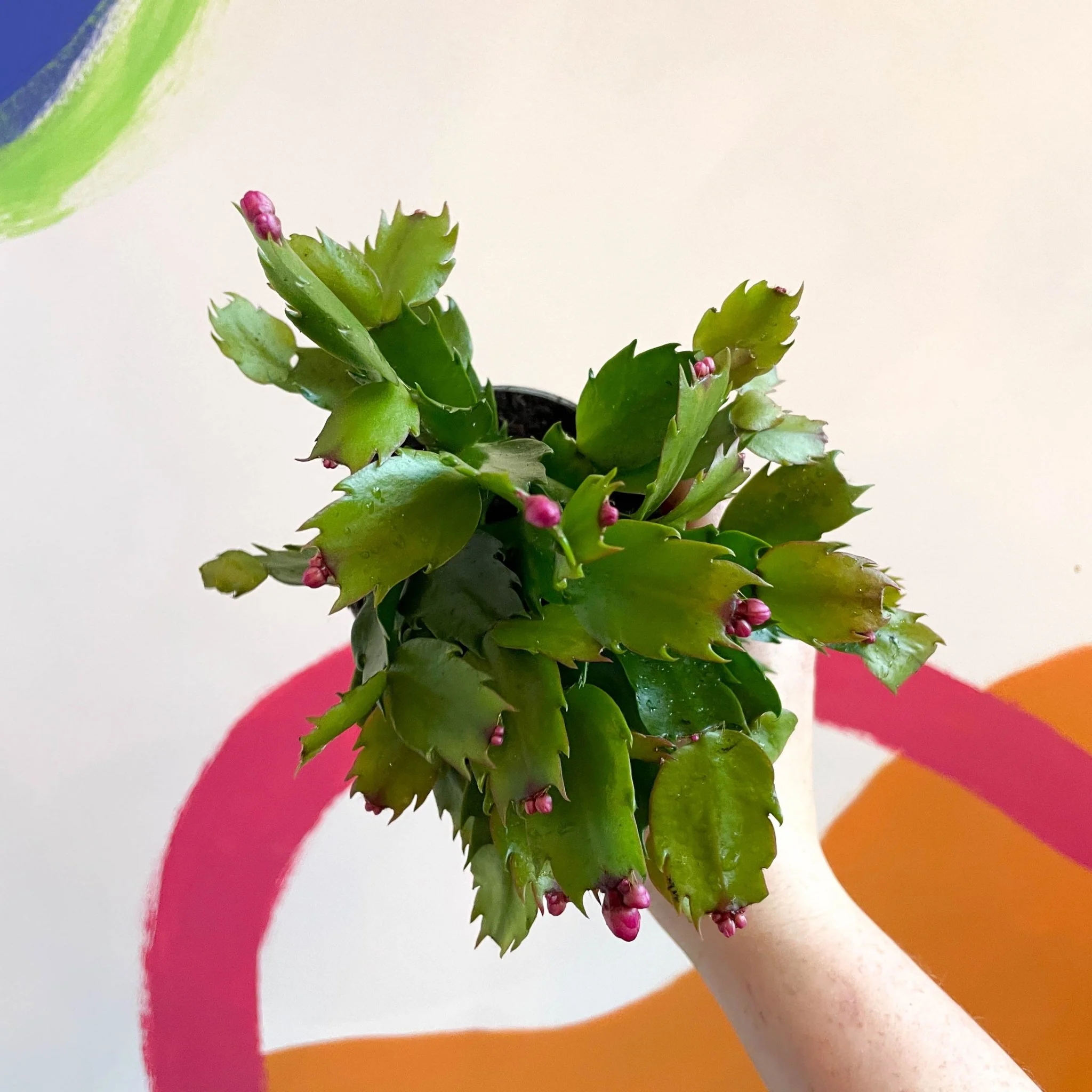
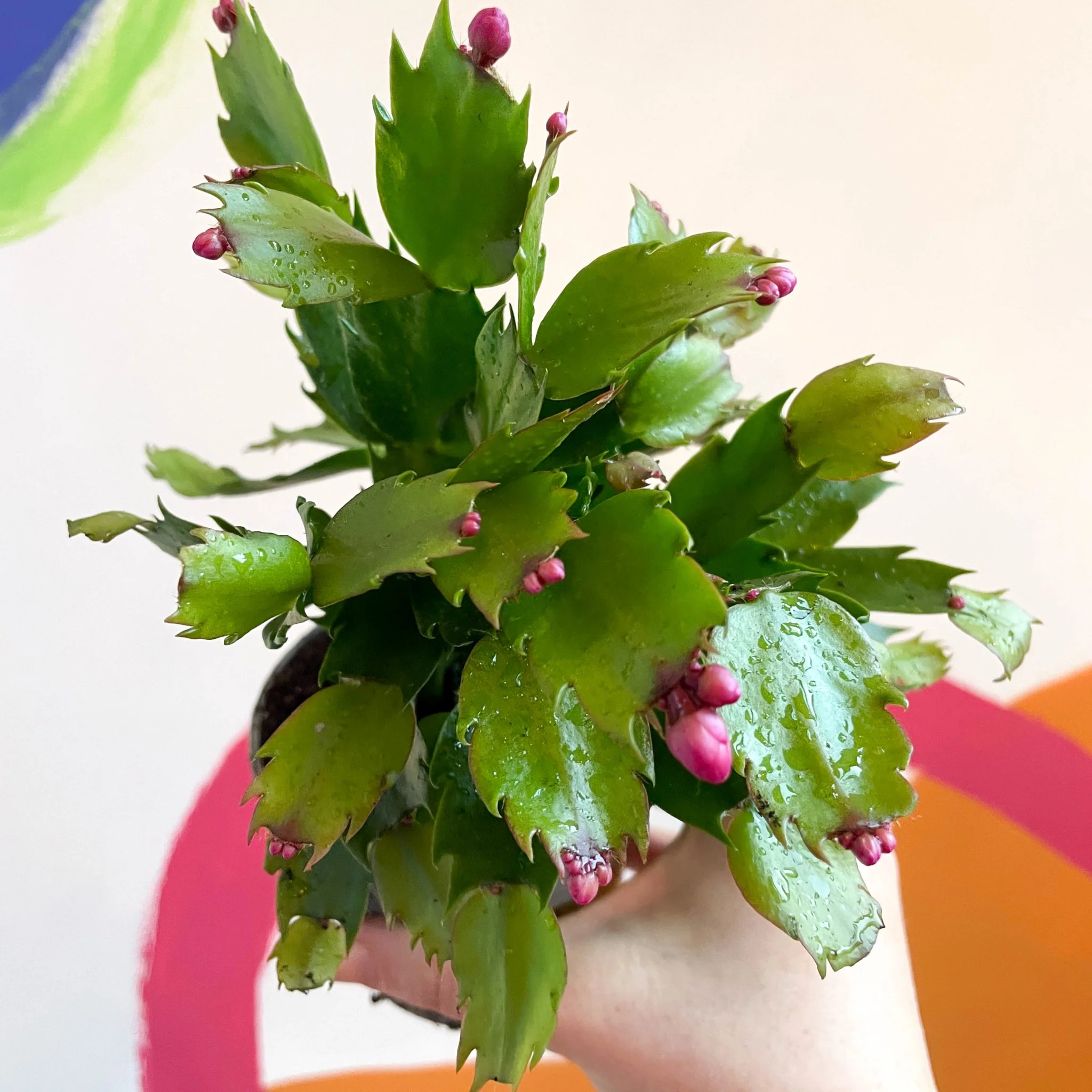
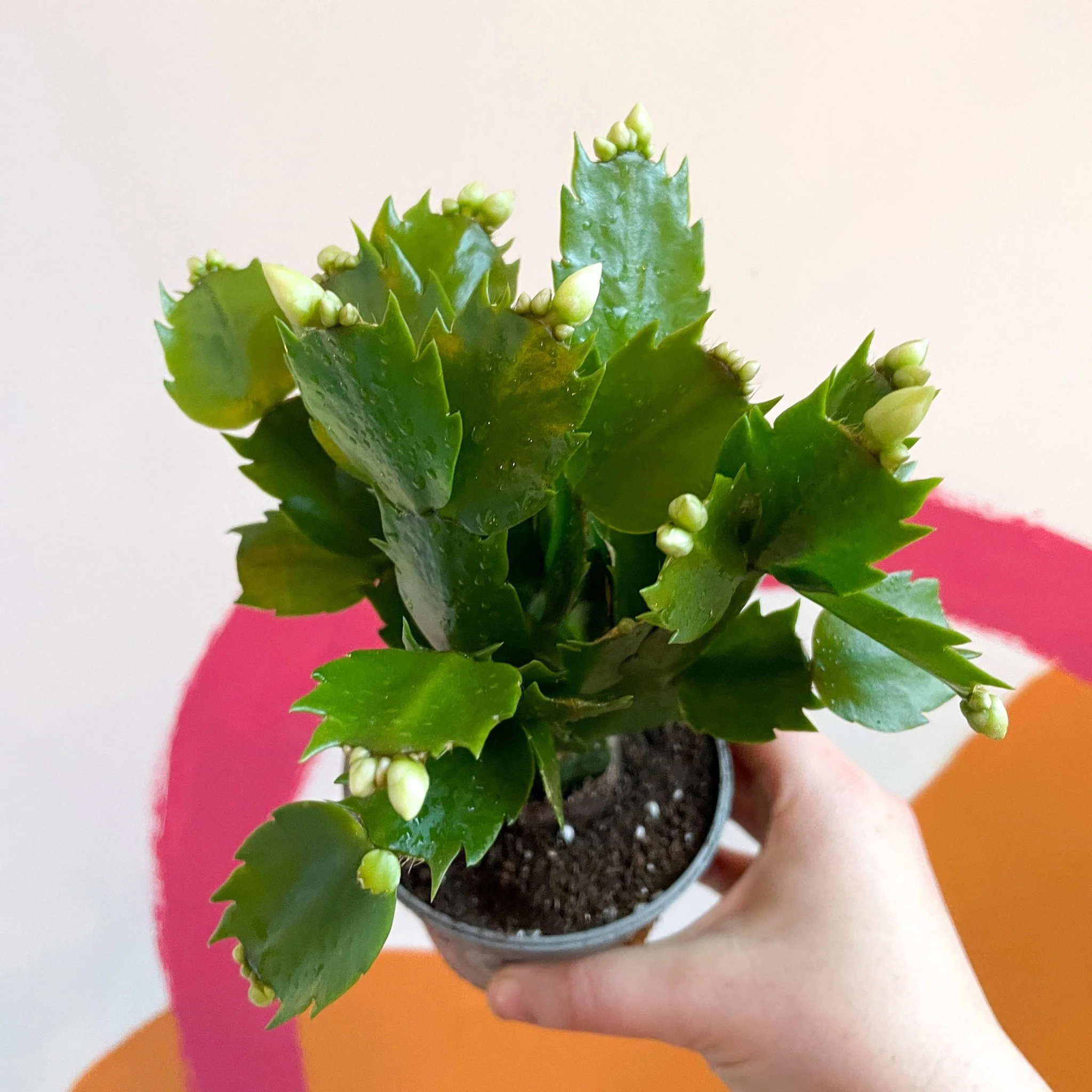
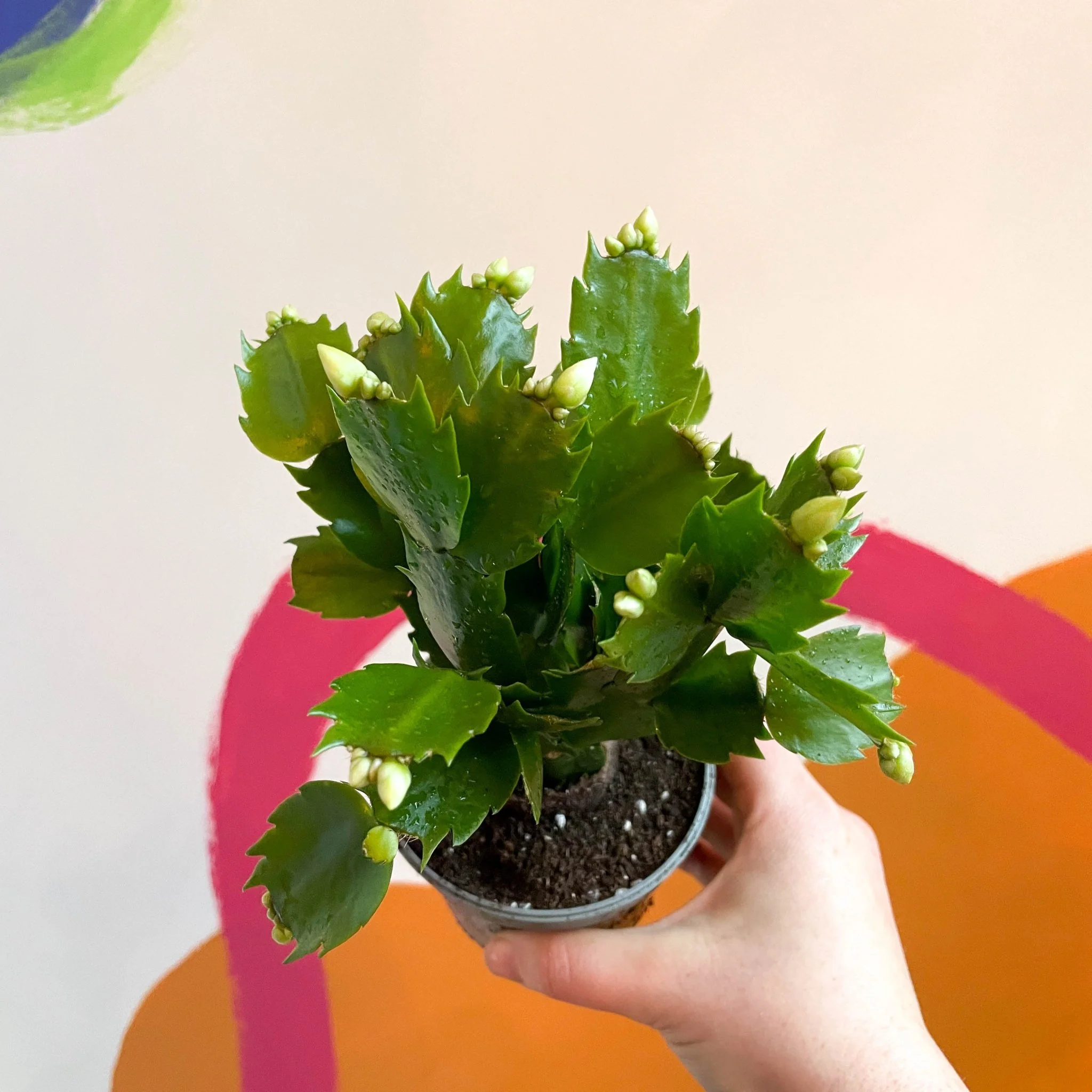
Nertera granadensis ‘Astrid’ forms a low, cushion-like mat of tiny green leaves that become covered in bright, bead-like orange berries through summer and early autumn. Compact, eye-catching and a real conversation starter, it’s ideal for terrariums, shelves, and small decorative pots.
Scientific Name
Nertera granadensis ‘Astrid’ (from Latin granadensis, meaning “from Granada/Granada region”)
Originally described under the genus Nertera by botanist Hipólito Ruiz López (late 18th century). The species has remained consistently within Nertera, with cultivars like ‘Astrid’ bred for heavier berry production.
Synonyms
Nertera depressa, Nertera balfouriana (older or misapplied names sometimes seen in horticulture)
Common Name(s)
Bead Plant, Coral Bead Plant, Coral Moss, Pin-Cushion Plant
(Note: sometimes marketed as “Coffee Bean Plant”, which is misleading and not botanically accurate.)
Origin
Native to Central and South America, particularly Colombia, Ecuador, Peru and Chile, often found in cool, shaded, damp forest floors and highland regions.
Light
Bright, indirect light. Avoid direct sun, which scorches the leaves and berries. Too little light will reduce berry production and cause a looser, less compact growth habit.
Water
Keep the soil lightly and consistently moist — never soggy.
Allow only the very top surface to dry before watering again.
Reduce slightly in winter, but do not allow the plant to dry out completely, as it can collapse quickly when underwatered.
Humidity
High humidity is essential. Aim for 60–80%.
Mist around (not directly on the berries), use a pebble tray, or place in a naturally humid room such as a bathroom. Excellent for closed or semi-closed terrariums.
Soil
A light, airy, moisture-retentive mix is ideal. Choose a peat-free multipurpose compost with added perlite for drainage. Plant likes shallow pots to maintain even moisture.
Food
Feed sparingly during spring and summer — every 4–6 weeks — with a half-strength balanced liquid fertiliser. Avoid feeding in winter.
Temperature
Prefers cool–moderate temperatures of 12–18°C.
Avoid heatwaves or placing near radiators; berries drop prematurely if temperatures rise above 24°C.
Pet-safe
Mildly toxic if ingested. Keep away from pets and children.
Sprouts Top Tip
After berry season, trim lightly to keep the plant compact — this encourages fresh, dense growth and helps next year’s berry set.
Extras
Berries often appear in mid-to-late summer and last into autumn. They are delicate and can fall if the plant is moved or allowed to dry out.
Did You Know?
In its native habitats, Nertera granadensis forms natural carpets across shaded forest floors, with berries acting as an important food source for small birds and insects.
Description
Nertera granadensis ‘Astrid’ forms a low, cushion-like mat of tiny green leaves that become covered in bright, bead-like orange berries through summer and early autumn. Compact, eye-catching and a real conversation starter, it’s ideal for terrariums, shelves, and small decorative pots.
Scientific Name
Nertera granadensis ‘Astrid’ (from Latin granadensis, meaning “from Granada/Granada region”)
Originally described under the genus Nertera by botanist Hipólito Ruiz López (late 18th century). The species has remained consistently within Nertera, with cultivars like ‘Astrid’ bred for heavier berry production.
Synonyms
Nertera depressa, Nertera balfouriana (older or misapplied names sometimes seen in horticulture)
Common Name(s)
Bead Plant, Coral Bead Plant, Coral Moss, Pin-Cushion Plant
(Note: sometimes marketed as “Coffee Bean Plant”, which is misleading and not botanically accurate.)
Origin
Native to Central and South America, particularly Colombia, Ecuador, Peru and Chile, often found in cool, shaded, damp forest floors and highland regions.
Light
Bright, indirect light. Avoid direct sun, which scorches the leaves and berries. Too little light will reduce berry production and cause a looser, less compact growth habit.
Water
Keep the soil lightly and consistently moist — never soggy.
Allow only the very top surface to dry before watering again.
Reduce slightly in winter, but do not allow the plant to dry out completely, as it can collapse quickly when underwatered.
Humidity
High humidity is essential. Aim for 60–80%.
Mist around (not directly on the berries), use a pebble tray, or place in a naturally humid room such as a bathroom. Excellent for closed or semi-closed terrariums.
Soil
A light, airy, moisture-retentive mix is ideal. Choose a peat-free multipurpose compost with added perlite for drainage. Plant likes shallow pots to maintain even moisture.
Food
Feed sparingly during spring and summer — every 4–6 weeks — with a half-strength balanced liquid fertiliser. Avoid feeding in winter.
Temperature
Prefers cool–moderate temperatures of 12–18°C.
Avoid heatwaves or placing near radiators; berries drop prematurely if temperatures rise above 24°C.
Pet-safe
Mildly toxic if ingested. Keep away from pets and children.
Sprouts Top Tip
After berry season, trim lightly to keep the plant compact — this encourages fresh, dense growth and helps next year’s berry set.
Extras
Berries often appear in mid-to-late summer and last into autumn. They are delicate and can fall if the plant is moved or allowed to dry out.
Did You Know?
In its native habitats, Nertera granadensis forms natural carpets across shaded forest floors, with berries acting as an important food source for small birds and insects.