Original: $164.01
-65%$164.01
$57.40The Story
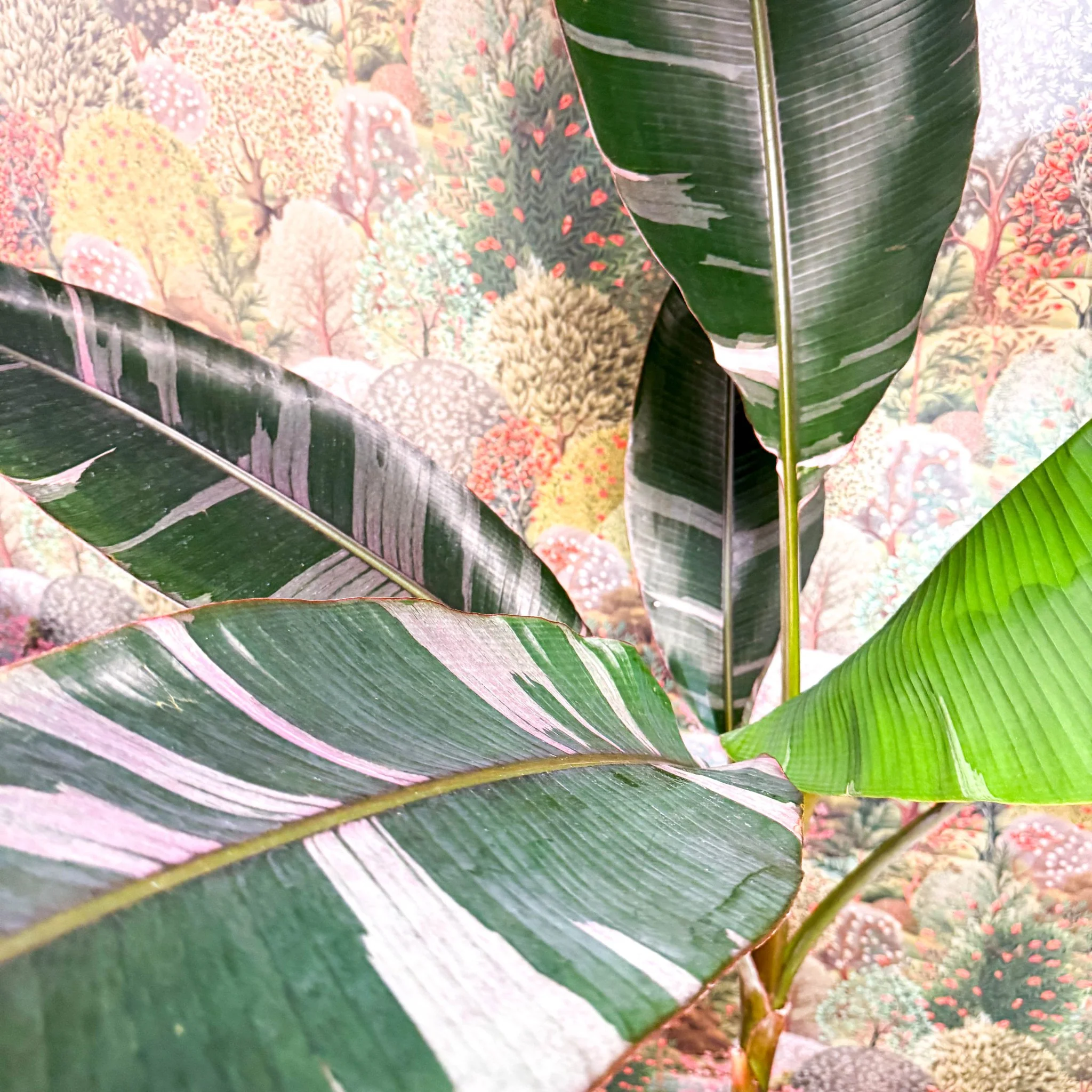
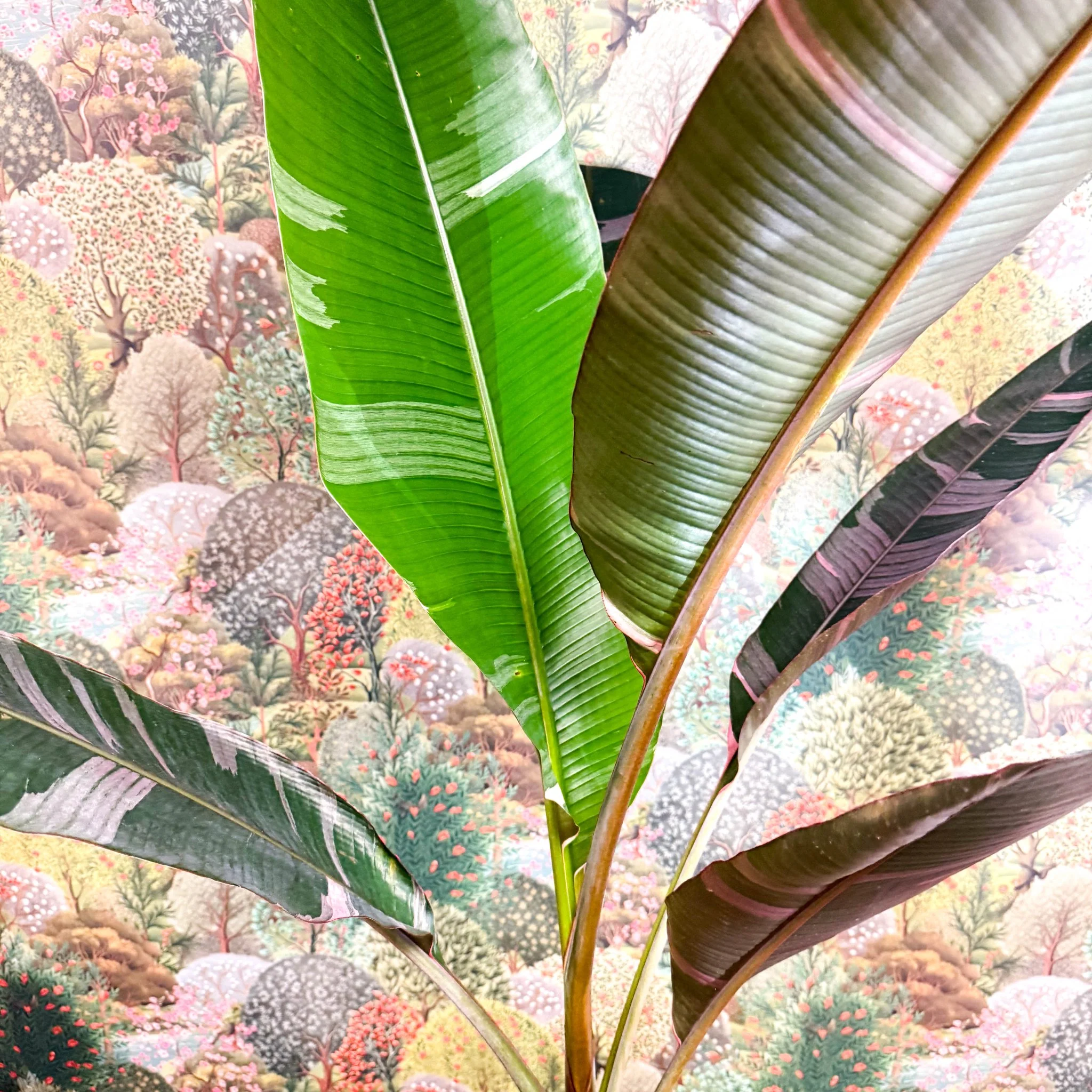
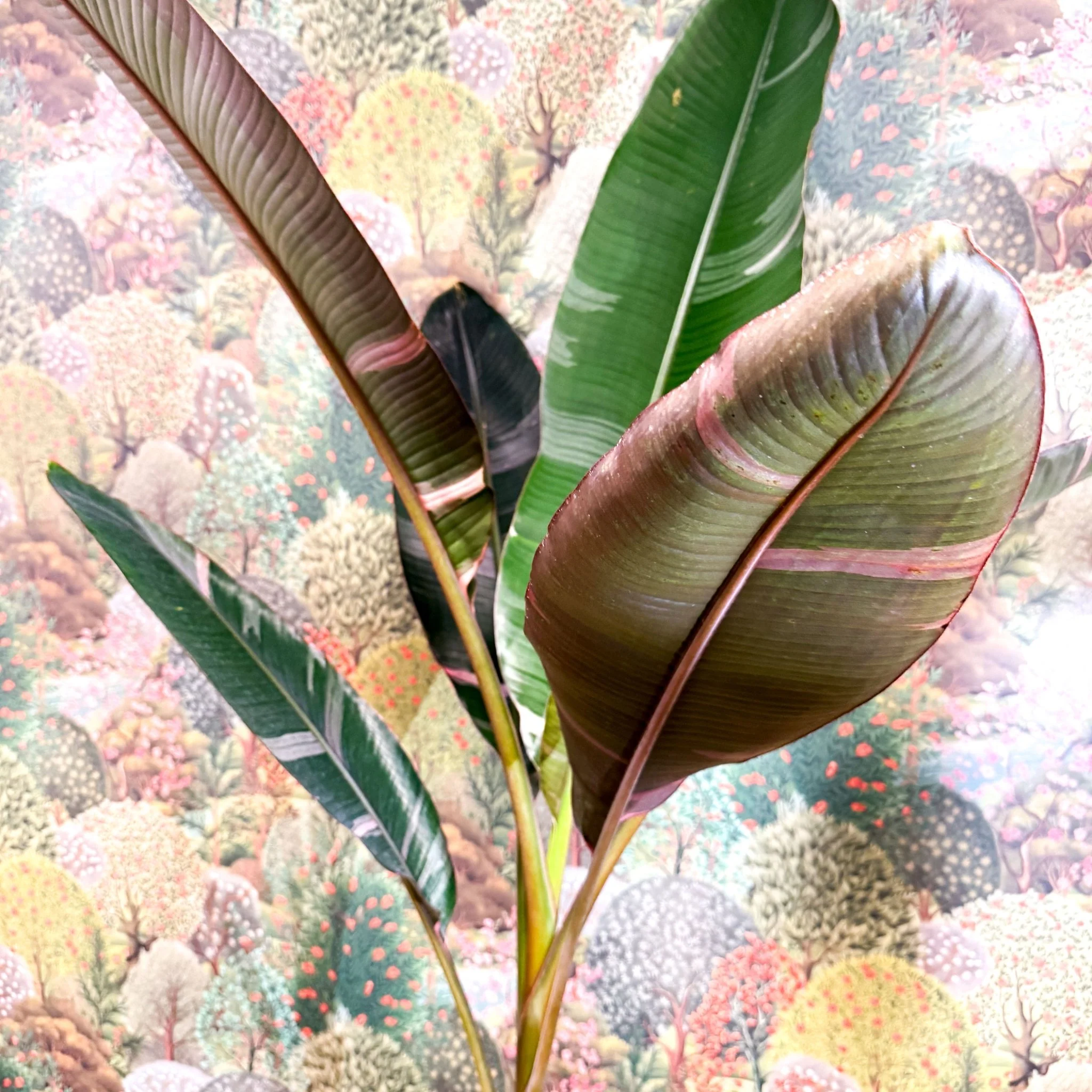
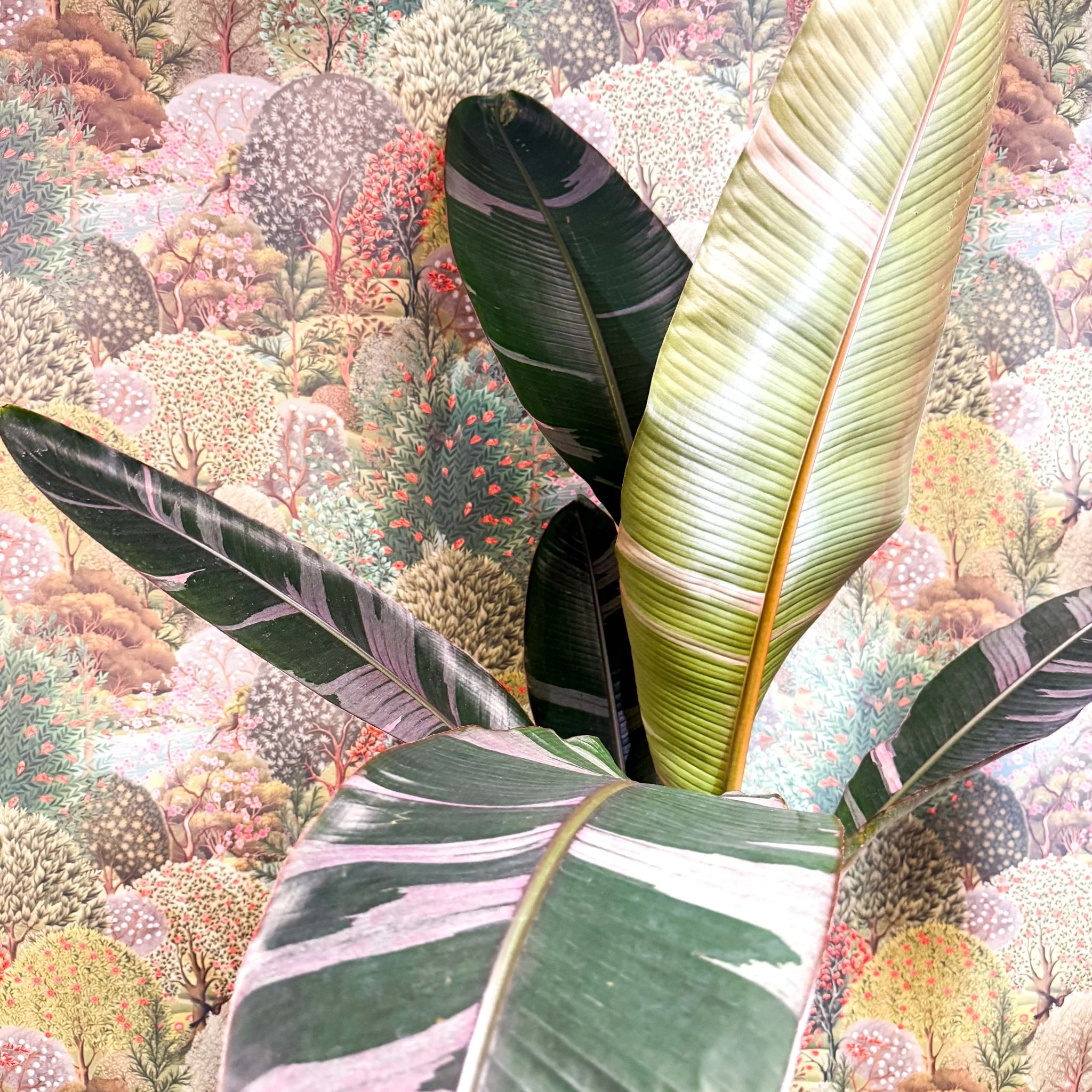
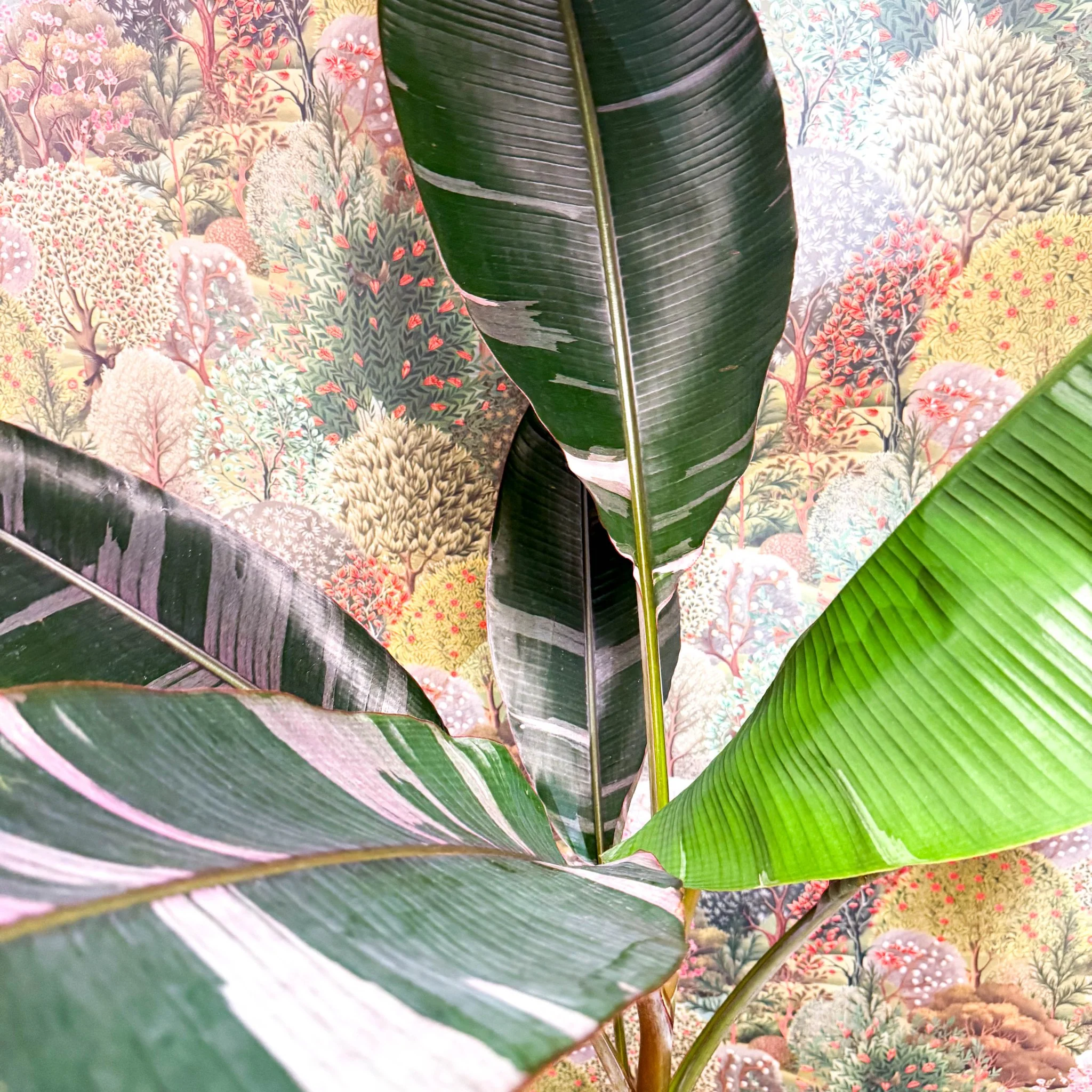
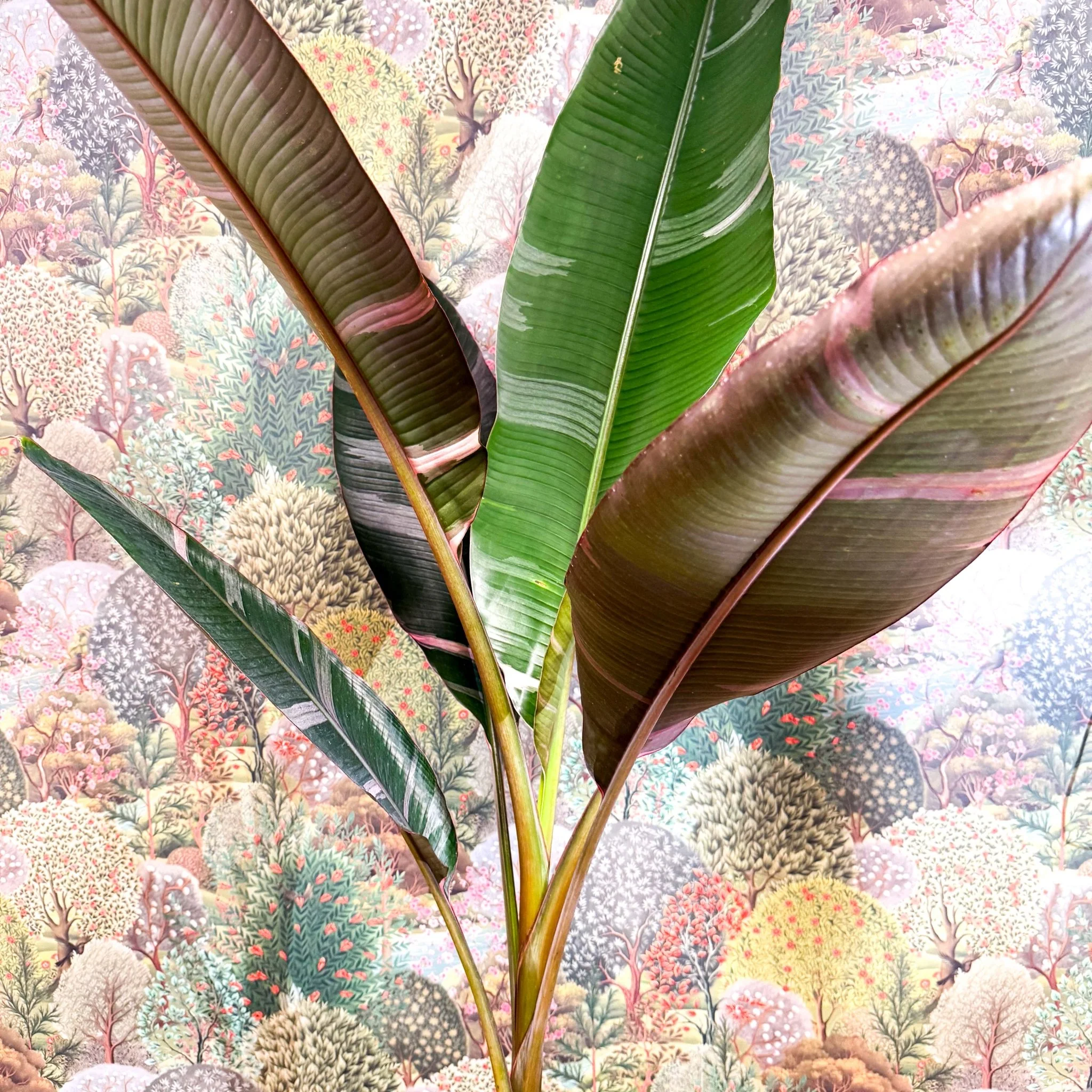
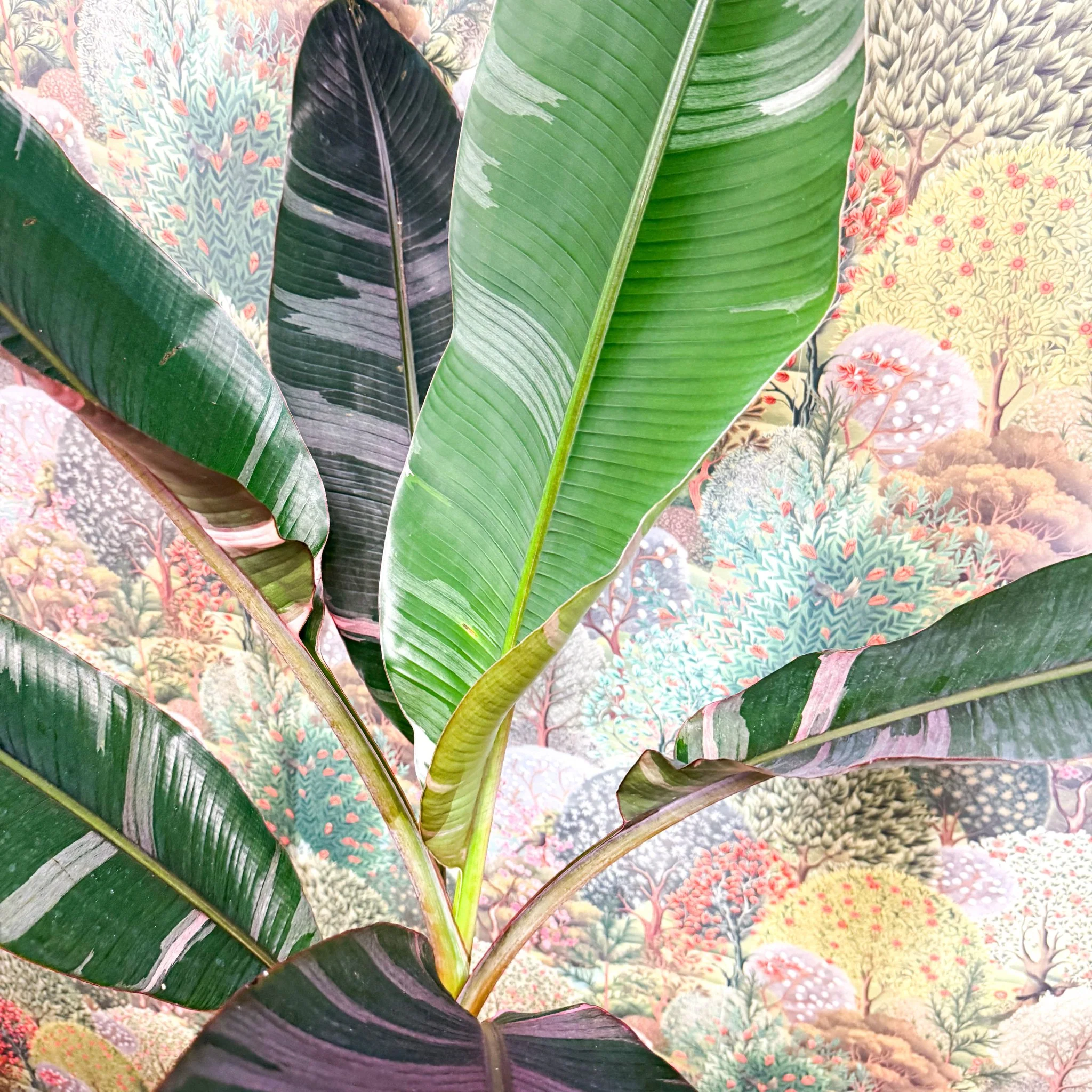
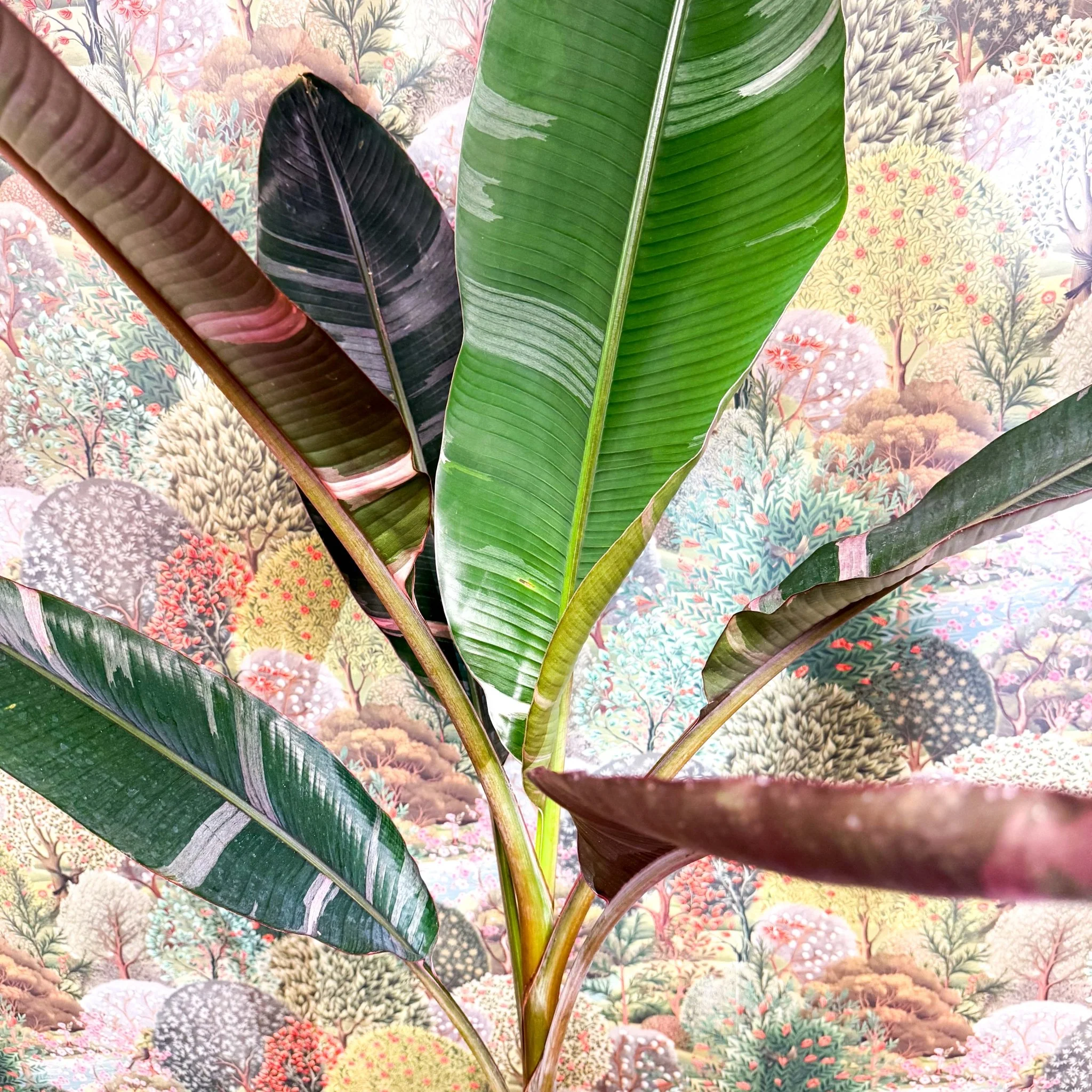
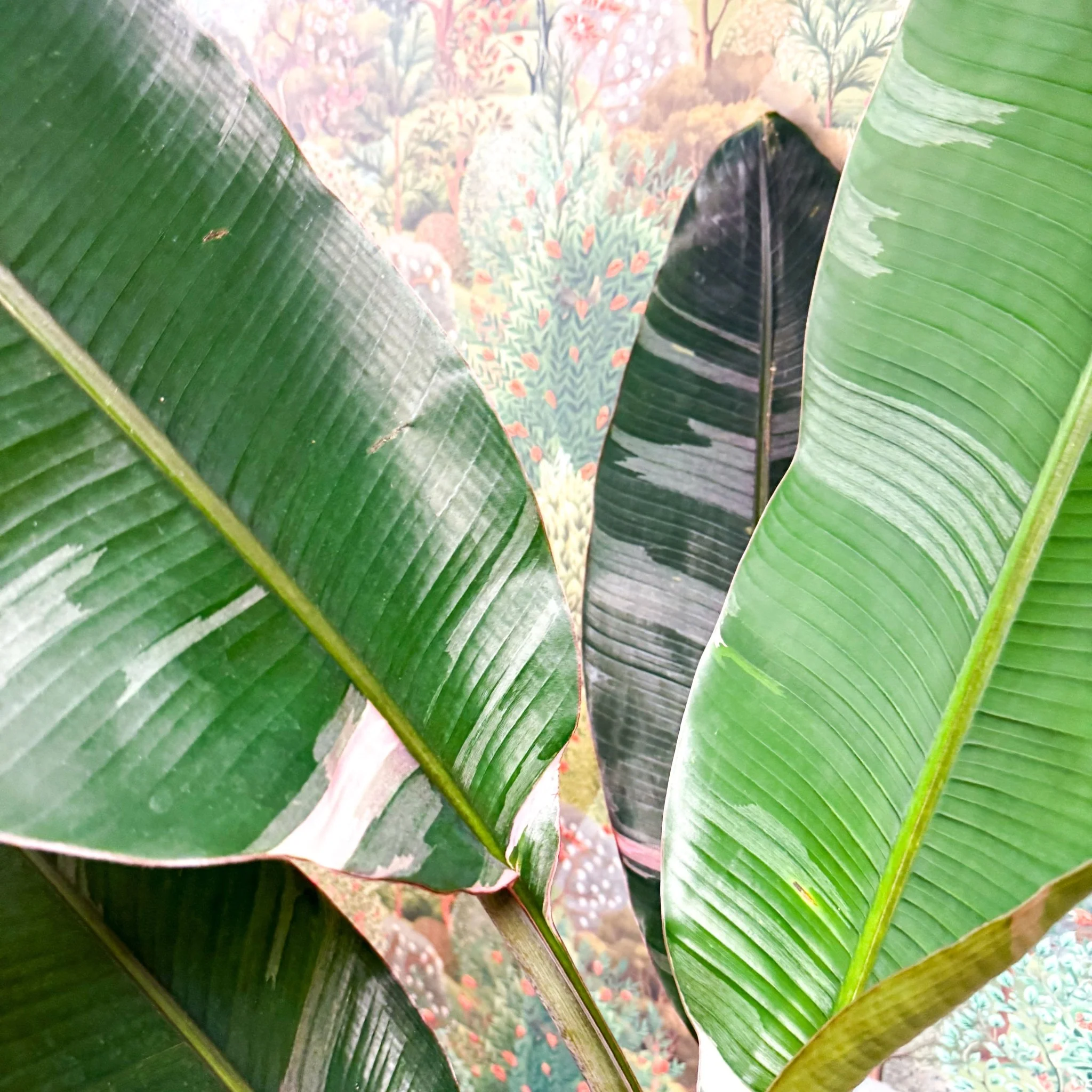
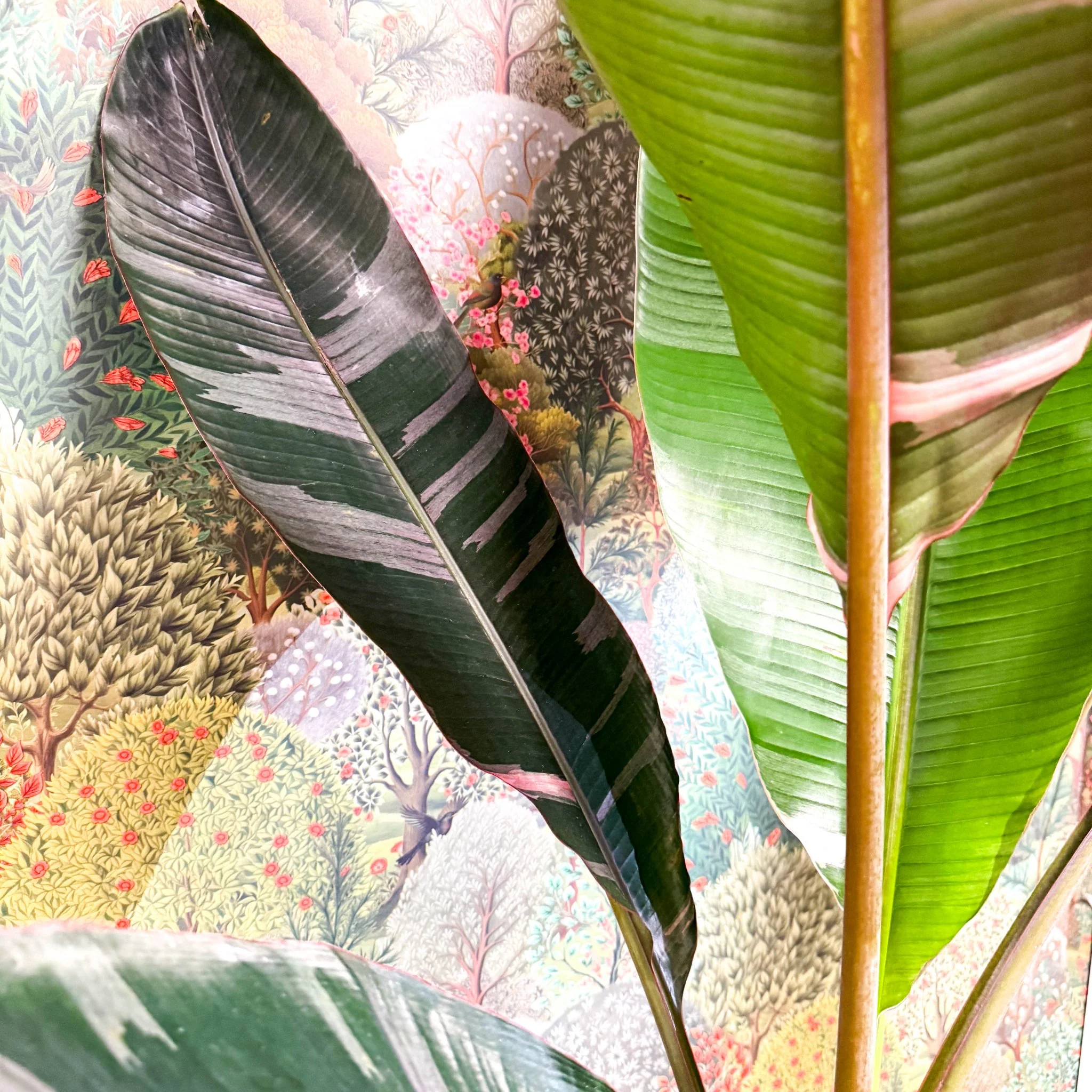
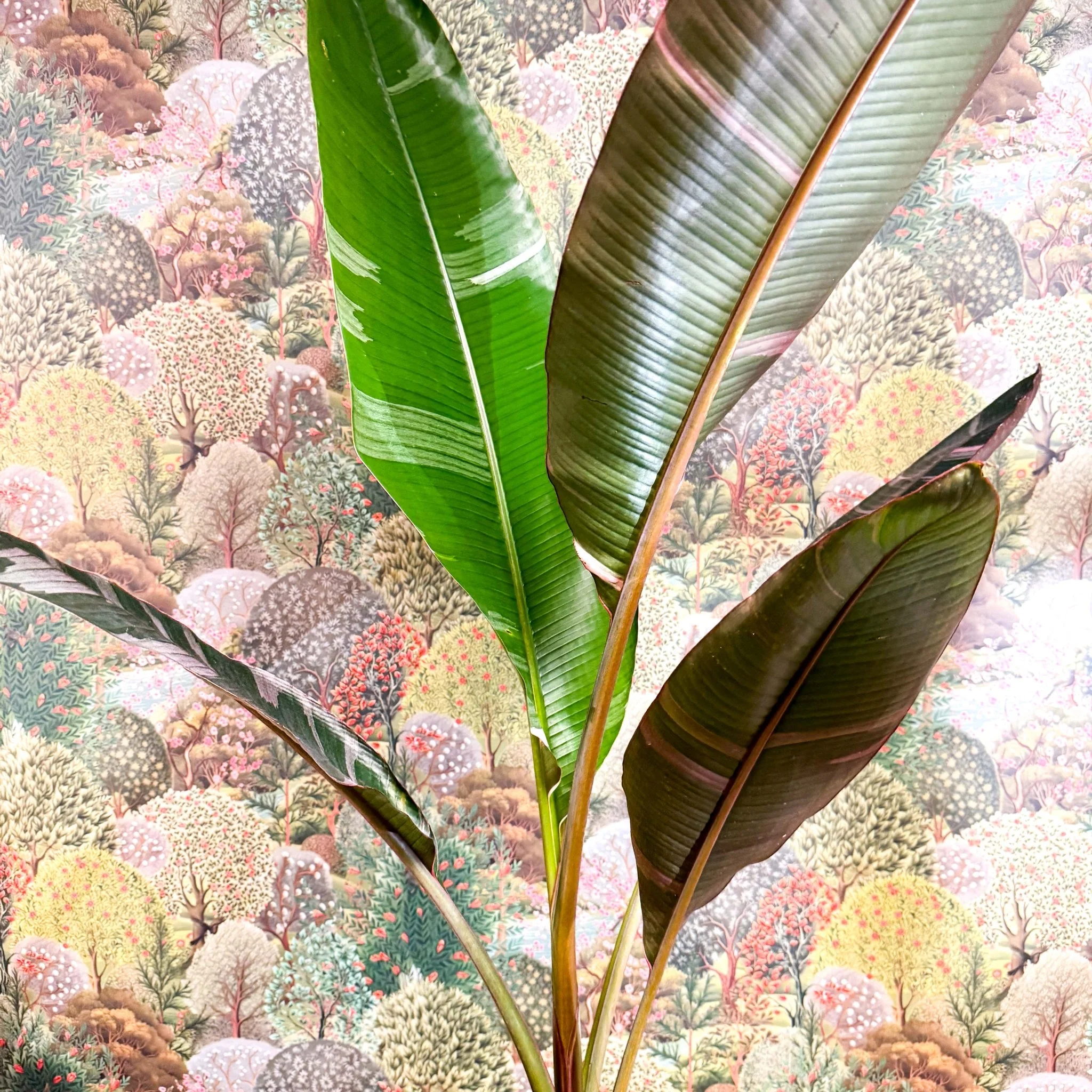
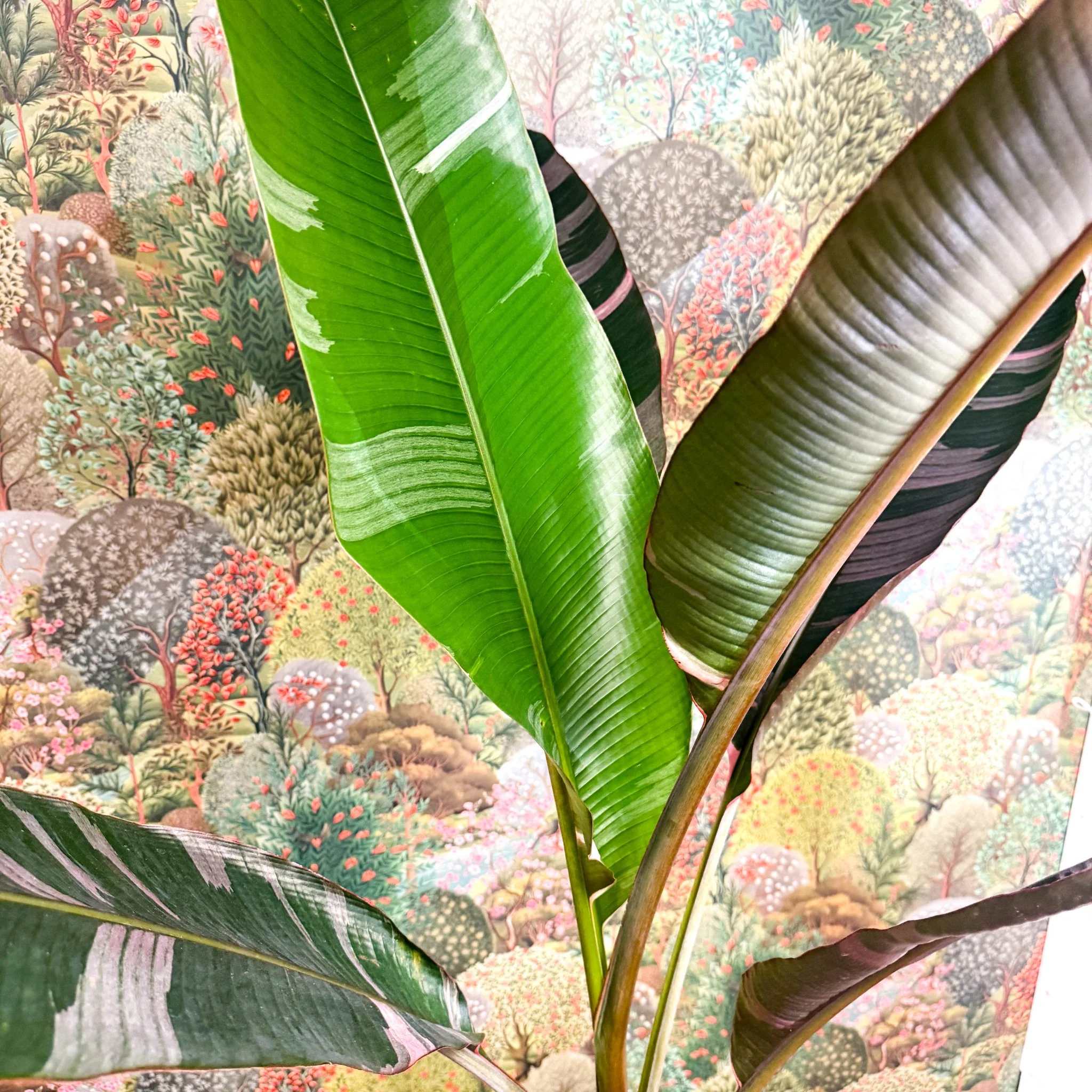
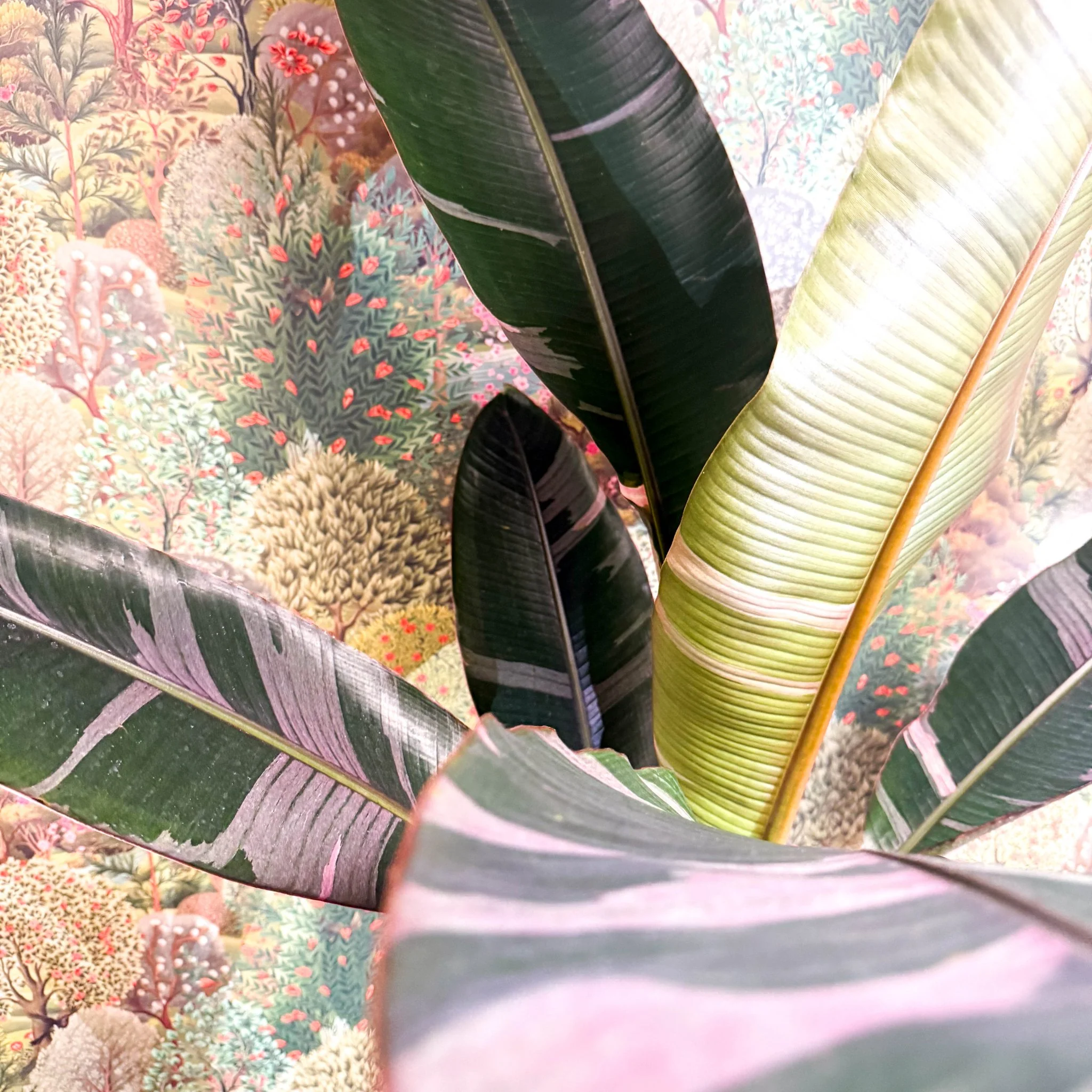
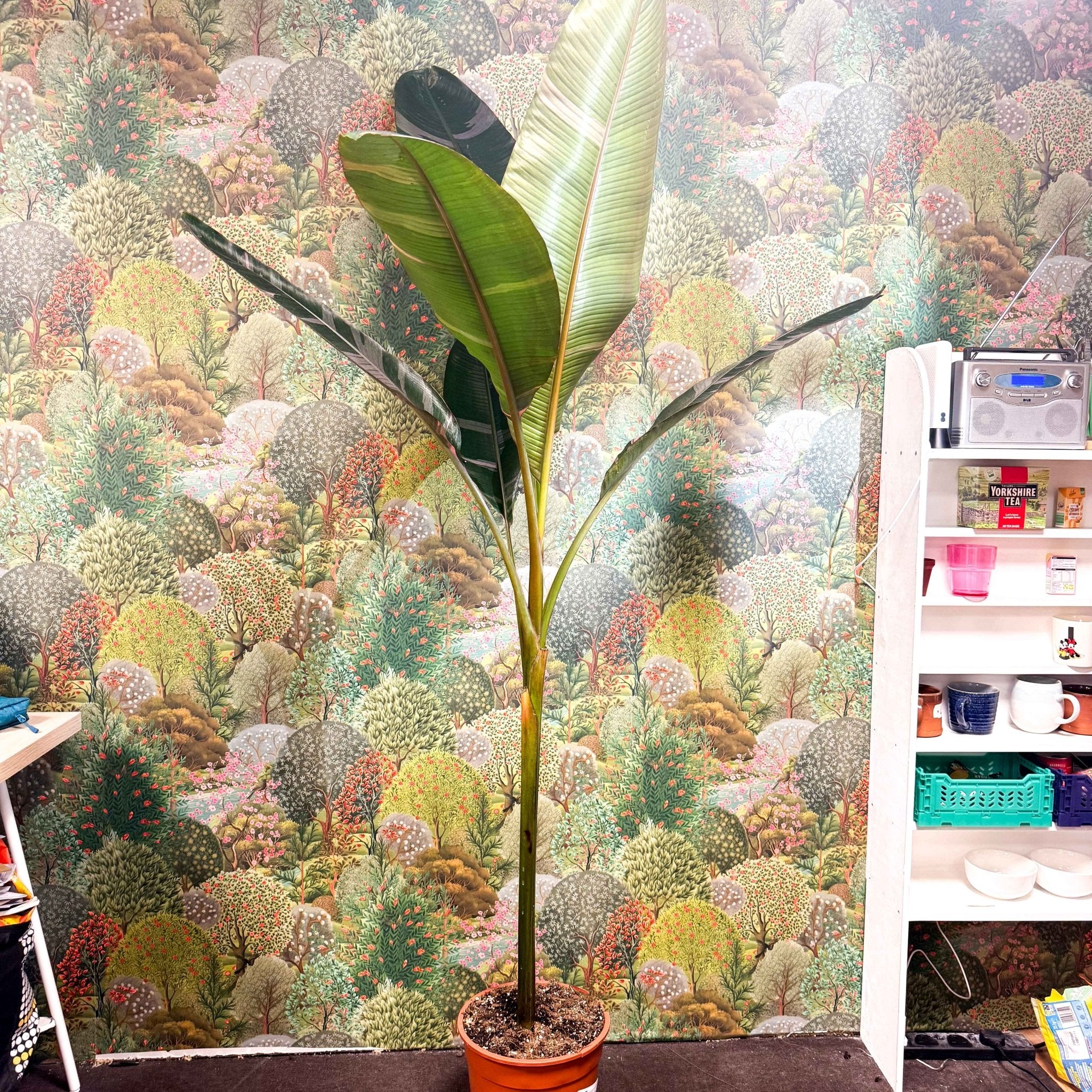
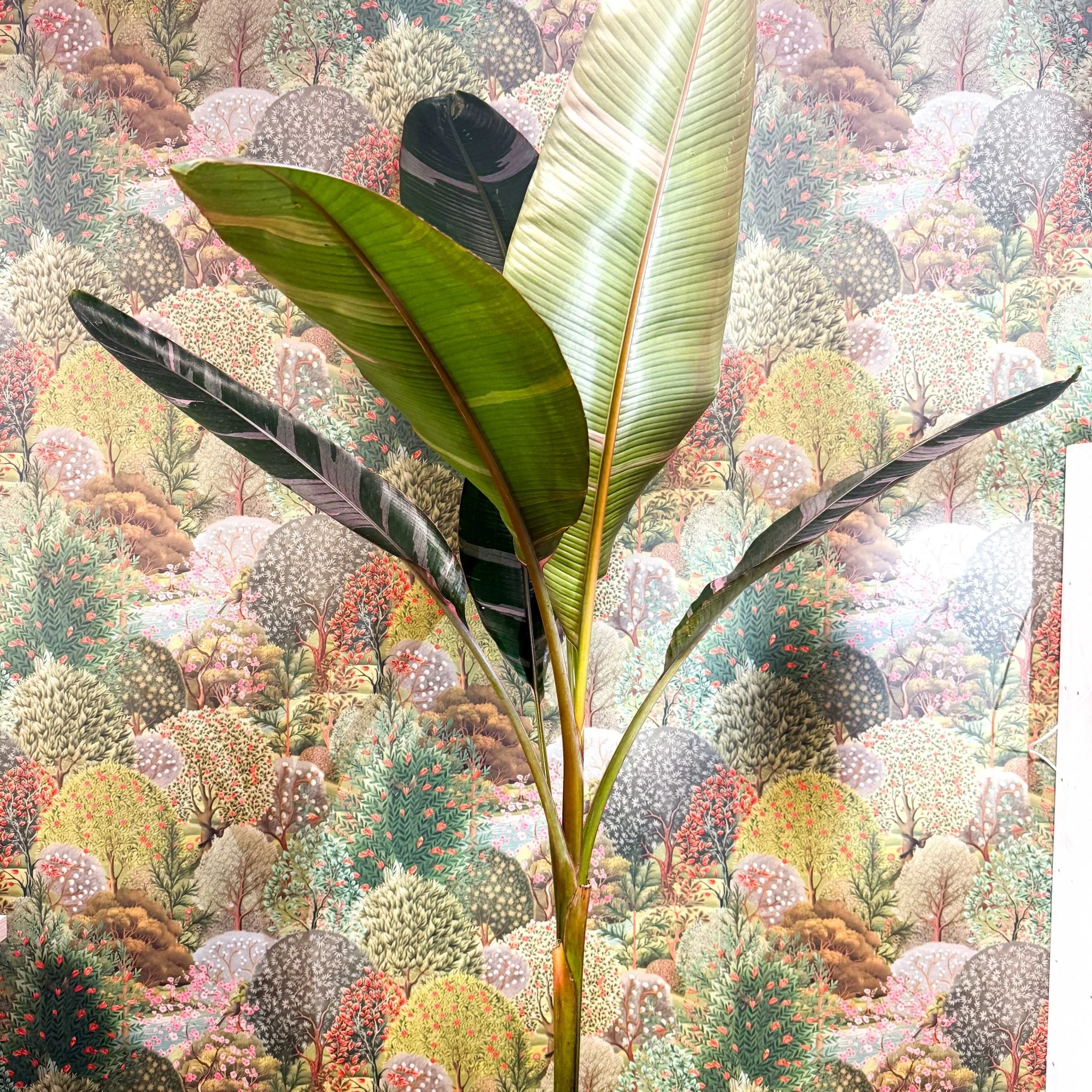
A compact and eye-catching banana plant, Musa ‘NoNo’ is loved for its lush, broad green leaves and manageable size compared to larger banana varieties. It brings a tropical, architectural feel to indoor spaces without quickly outgrowing its spot. With the right care, it grows steadily and creates a full, leafy display that instantly adds that jungle vibe.
Scientific Name
Musa ‘NoNo’ (banana plant)
Reclassification / History
Cultivated variety within the Musa genus. The exact species background is not clearly defined, as many ornamental bananas are hybrids selected for compact growth.
Common Name
Banana Plant, Dwarf Banana Plant (often used for compact varieties)
Origin
Derived from Musa species native to Southeast Asia, with this cultivar developed through horticultural selection.
Light
Prefers very bright, indirect light and can tolerate some direct sun. Brighter conditions will support stronger, faster growth.
Water
Keep the soil consistently moist during the growing season, but not soggy. Allow the top few centimetres of soil to dry slightly between waterings. Reduce watering in winter, but avoid letting the soil dry out completely.
Humidity
Thrives in higher humidity but can tolerate average household levels. Increased humidity will encourage healthier, larger leaves and reduce browning at the edges.
Soil
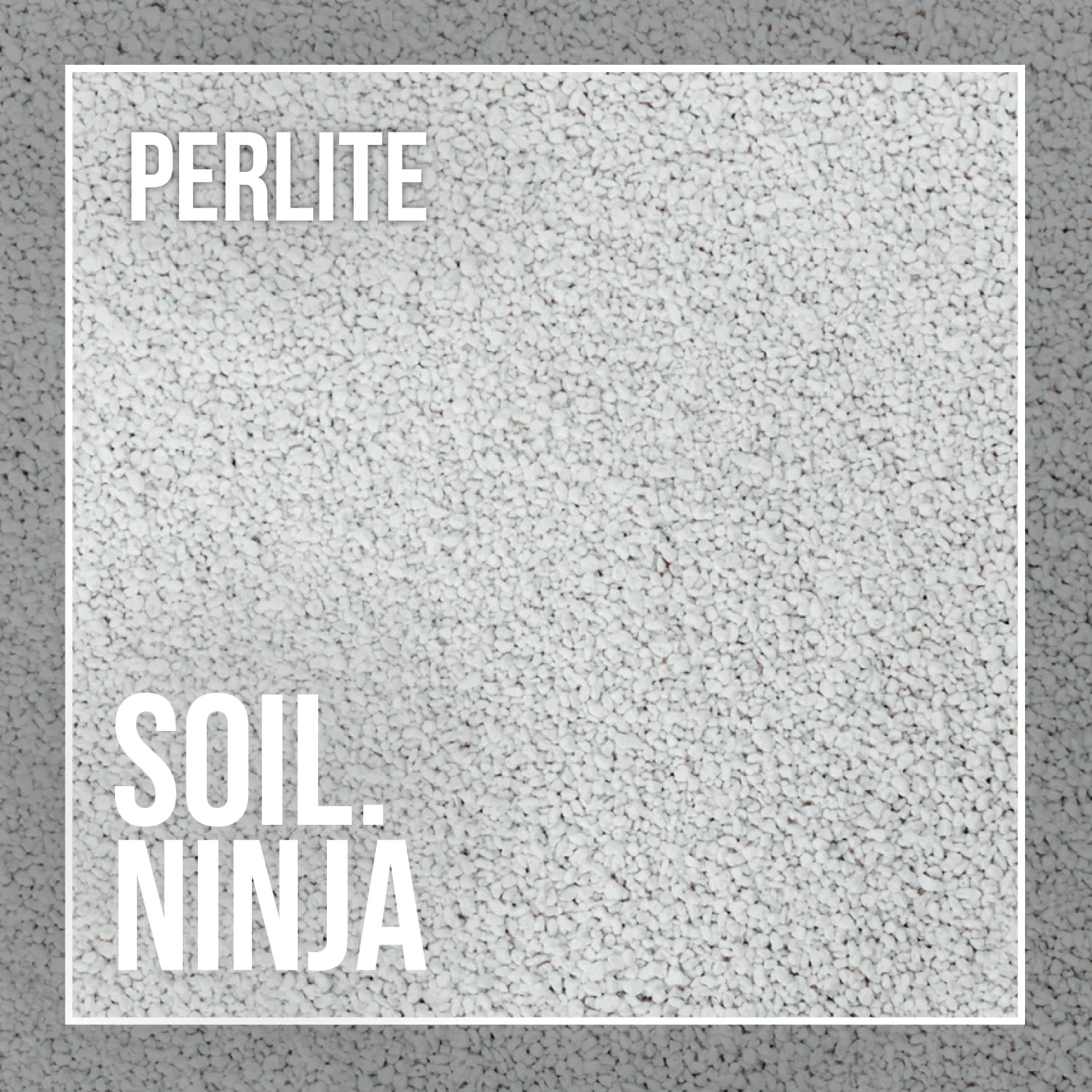
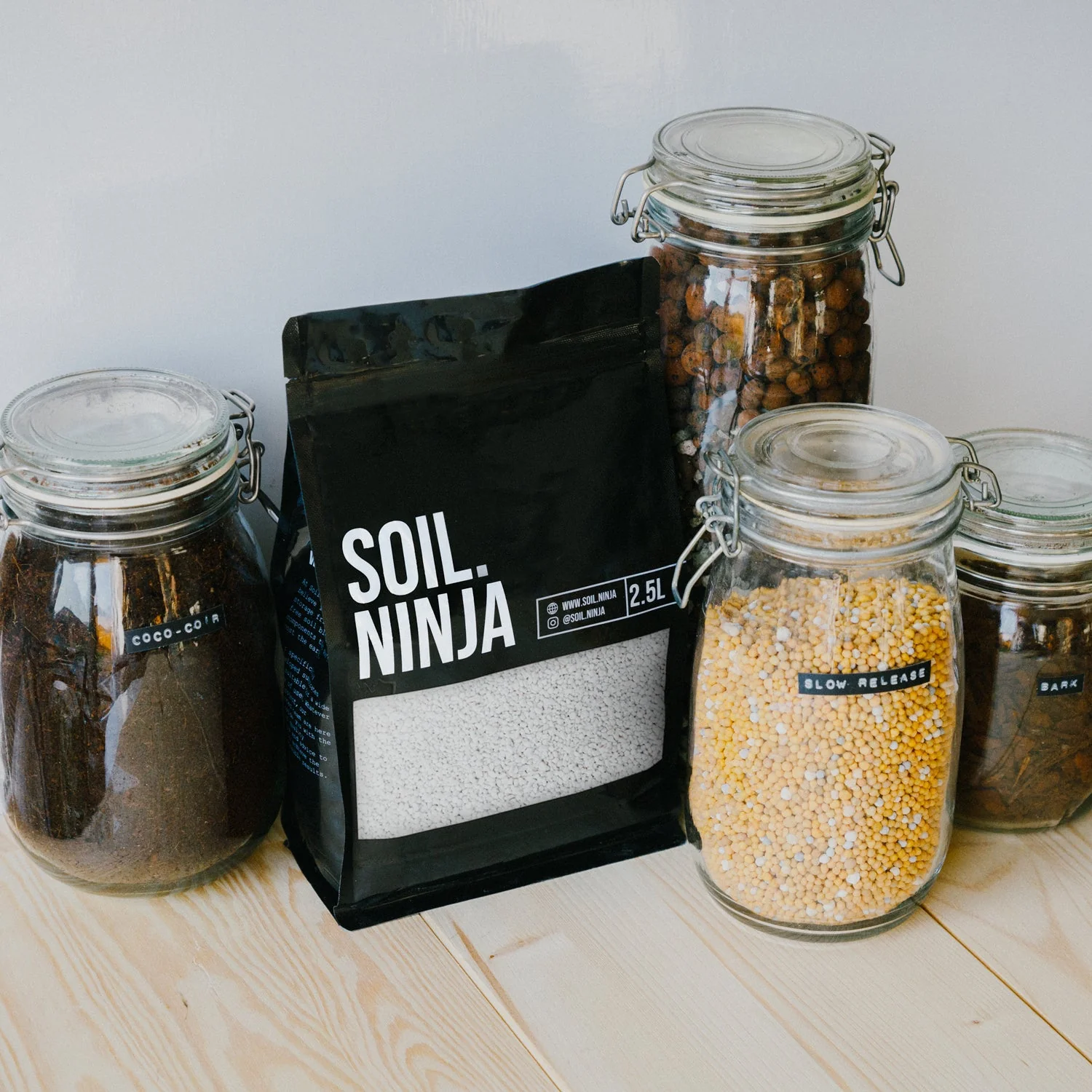
Use a rich, well-draining potting mix that retains some moisture. A blend with compost and added drainage materials like perlite works well.
Food
Feed every 1–2 waters during the growing season with a balanced liquid fertiliser, as bananas are heavy feeders. Reduce feeding in autumn and winter.
Temperature
Prefers warm temperatures between 18–30°C. Avoid temperatures below 12–15°C and protect from cold drafts.
Pet-safe
Generally considered non-toxic, but best kept out of reach of pets to prevent damage to the leaves.
Sprouts Top Tips
If your Musa starts to look a bit tired or stops pushing out new leaves, it’s usually craving more light, warmth, and feeding – they’re hungry, fast-growing plants.
Extras
Older leaves may naturally tear or split as the plant grows – this is completely normal and part of its natural development.
Did You Know?
Banana plants are among the fastest-growing houseplants in the right conditions, with new leaves unfurling from the centre in a tight, rolled spear.
Details & Craftsmanship
Every detail has been carefully considered to bring you the perfect product.
Details & Craftsmanship
Every detail has been carefully considered to bring you the perfect product.
Details & Craftsmanship
Every detail has been carefully considered to bring you the perfect product.
Details & Craftsmanship
Every detail has been carefully considered to bring you the perfect product.
Details & Craftsmanship
Every detail has been carefully considered to bring you the perfect product.
Details & Craftsmanship
Every detail has been carefully considered to bring you the perfect product.
Details & Craftsmanship
Every detail has been carefully considered to bring you the perfect product.
Details & Craftsmanship
Every detail has been carefully considered to bring you the perfect product.
Details & Craftsmanship
Every detail has been carefully considered to bring you the perfect product.
Details & Craftsmanship
Every detail has been carefully considered to bring you the perfect product.
Details & Craftsmanship
Every detail has been carefully considered to bring you the perfect product.
Details & Craftsmanship
Every detail has been carefully considered to bring you the perfect product.
Details & Craftsmanship
Every detail has been carefully considered to bring you the perfect product.
Details & Craftsmanship
Every detail has been carefully considered to bring you the perfect product.
Description
A compact and eye-catching banana plant, Musa ‘NoNo’ is loved for its lush, broad green leaves and manageable size compared to larger banana varieties. It brings a tropical, architectural feel to indoor spaces without quickly outgrowing its spot. With the right care, it grows steadily and creates a full, leafy display that instantly adds that jungle vibe.
Scientific Name
Musa ‘NoNo’ (banana plant)
Reclassification / History
Cultivated variety within the Musa genus. The exact species background is not clearly defined, as many ornamental bananas are hybrids selected for compact growth.
Common Name
Banana Plant, Dwarf Banana Plant (often used for compact varieties)
Origin
Derived from Musa species native to Southeast Asia, with this cultivar developed through horticultural selection.
Light
Prefers very bright, indirect light and can tolerate some direct sun. Brighter conditions will support stronger, faster growth.
Water
Keep the soil consistently moist during the growing season, but not soggy. Allow the top few centimetres of soil to dry slightly between waterings. Reduce watering in winter, but avoid letting the soil dry out completely.
Humidity
Thrives in higher humidity but can tolerate average household levels. Increased humidity will encourage healthier, larger leaves and reduce browning at the edges.
Soil
Use a rich, well-draining potting mix that retains some moisture. A blend with compost and added drainage materials like perlite works well.
Food
Feed every 1–2 waters during the growing season with a balanced liquid fertiliser, as bananas are heavy feeders. Reduce feeding in autumn and winter.
Temperature
Prefers warm temperatures between 18–30°C. Avoid temperatures below 12–15°C and protect from cold drafts.
Pet-safe
Generally considered non-toxic, but best kept out of reach of pets to prevent damage to the leaves.
Sprouts Top Tips
If your Musa starts to look a bit tired or stops pushing out new leaves, it’s usually craving more light, warmth, and feeding – they’re hungry, fast-growing plants.
Extras
Older leaves may naturally tear or split as the plant grows – this is completely normal and part of its natural development.
Did You Know?
Banana plants are among the fastest-growing houseplants in the right conditions, with new leaves unfurling from the centre in a tight, rolled spear.