Original: $9.57
-65%$9.57
$3.35The Story
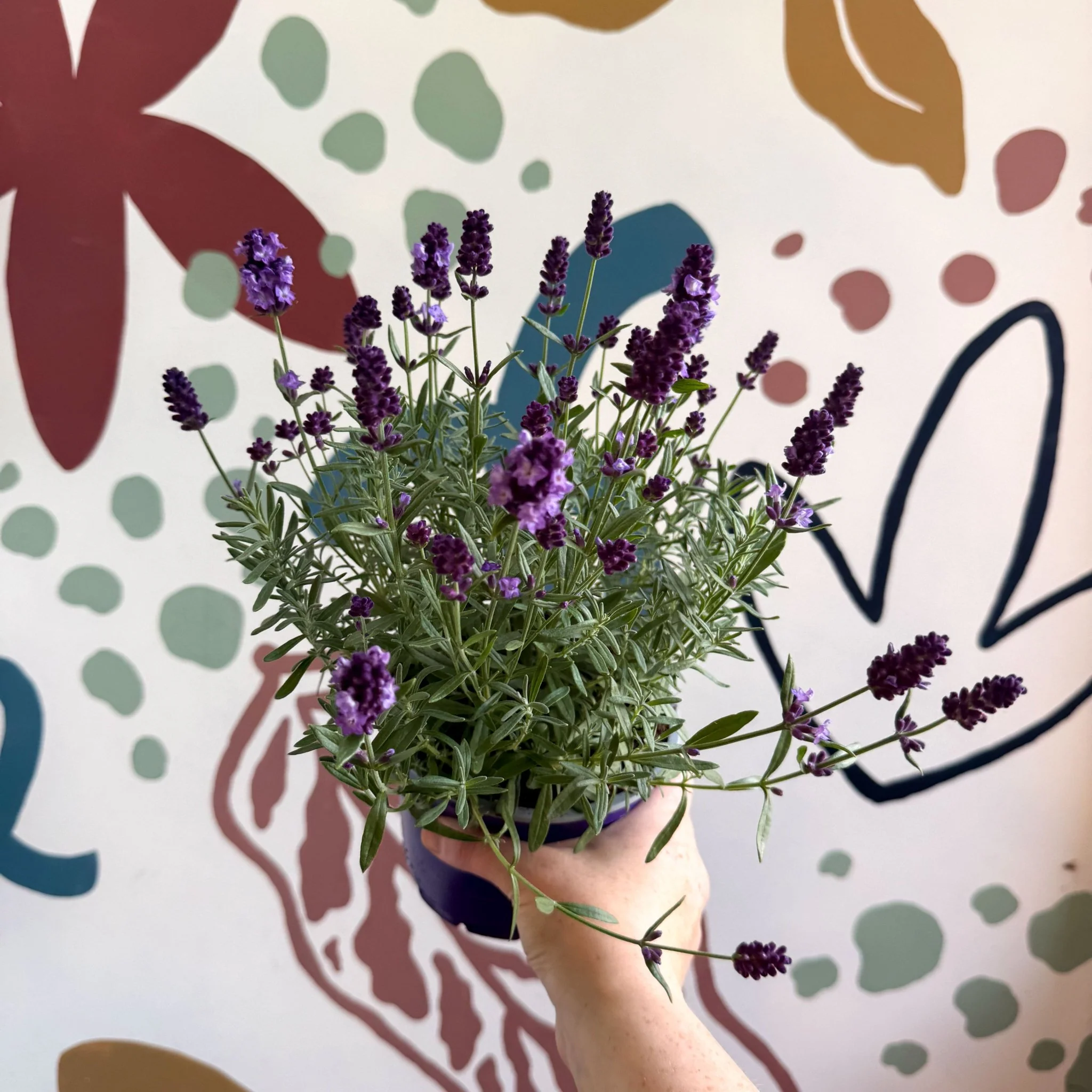
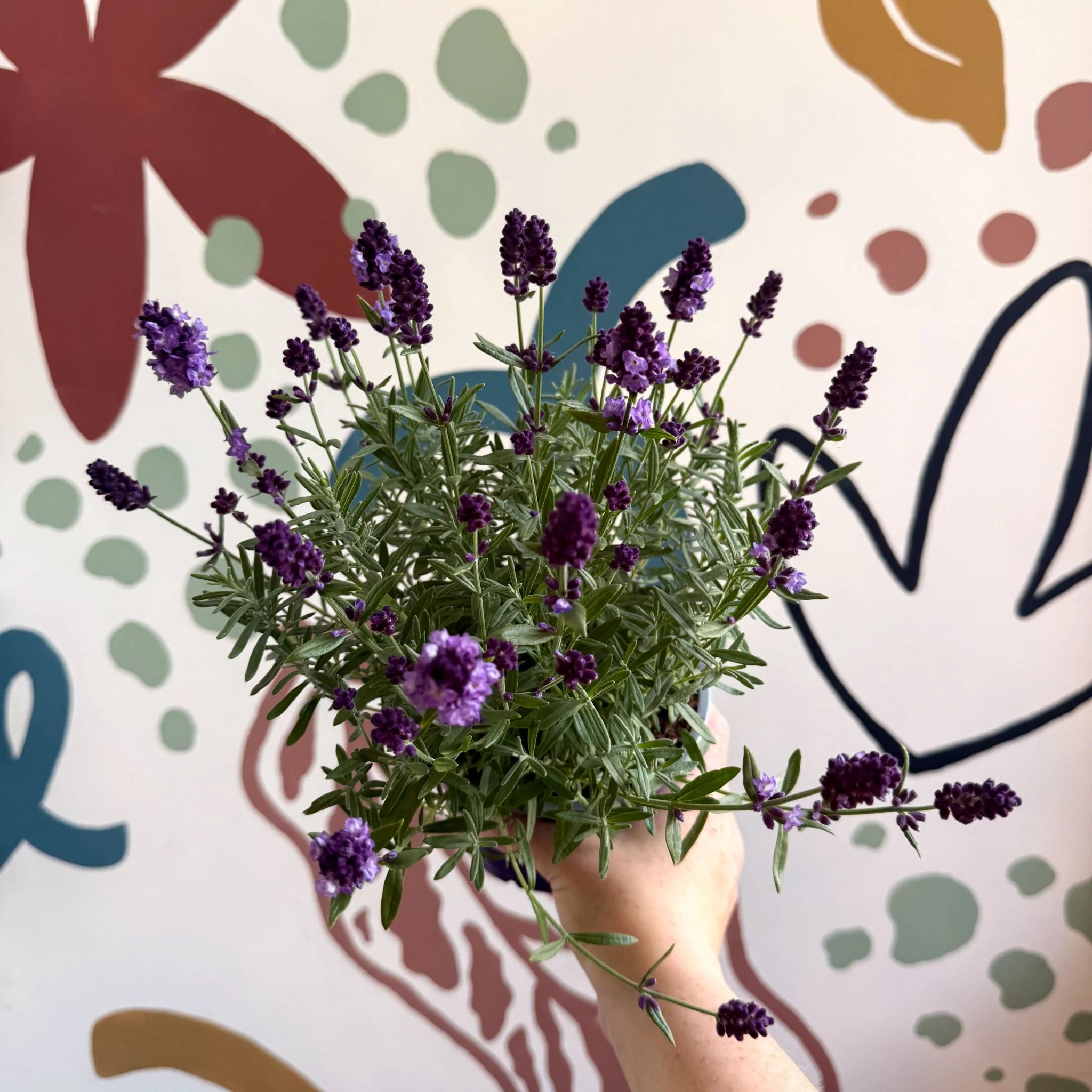
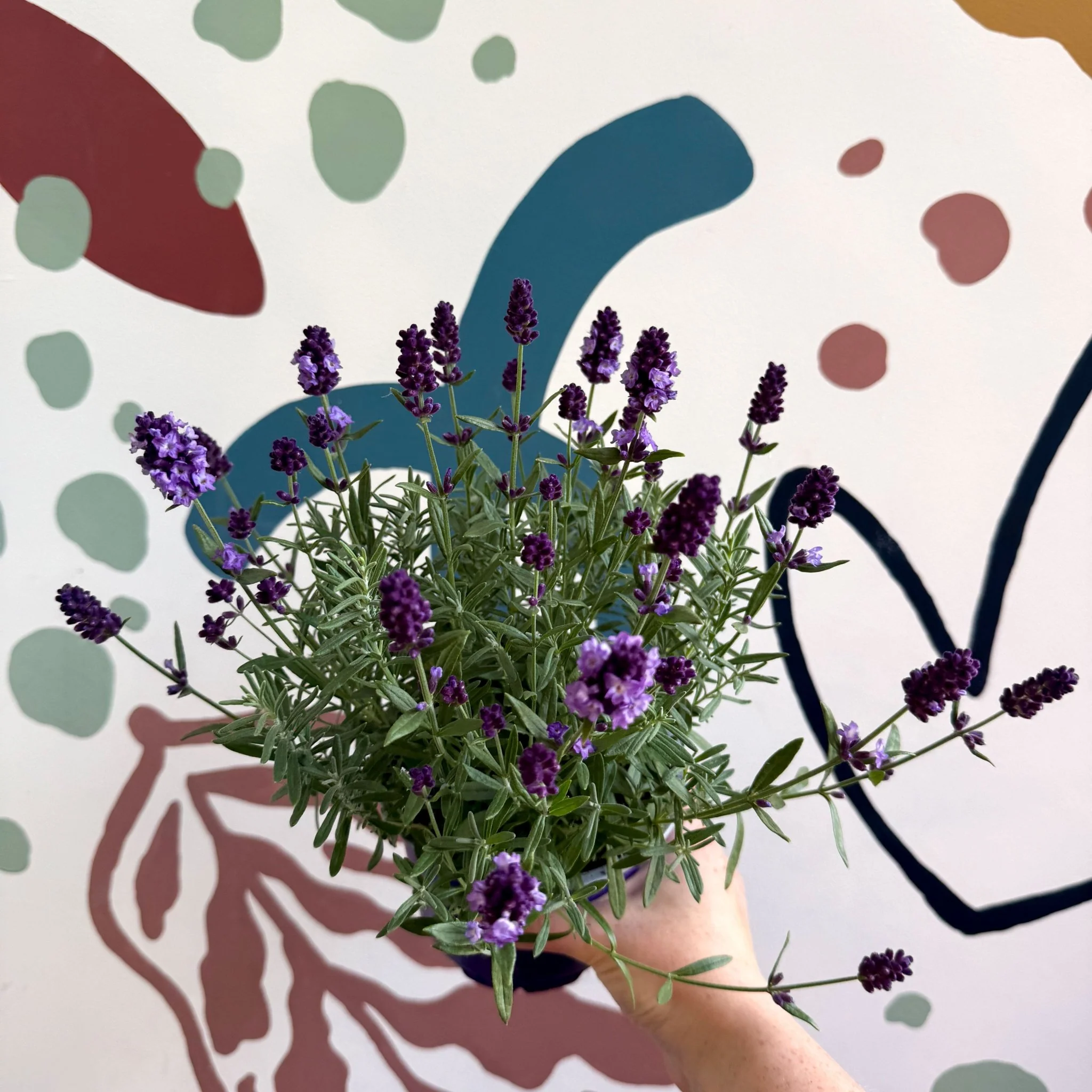
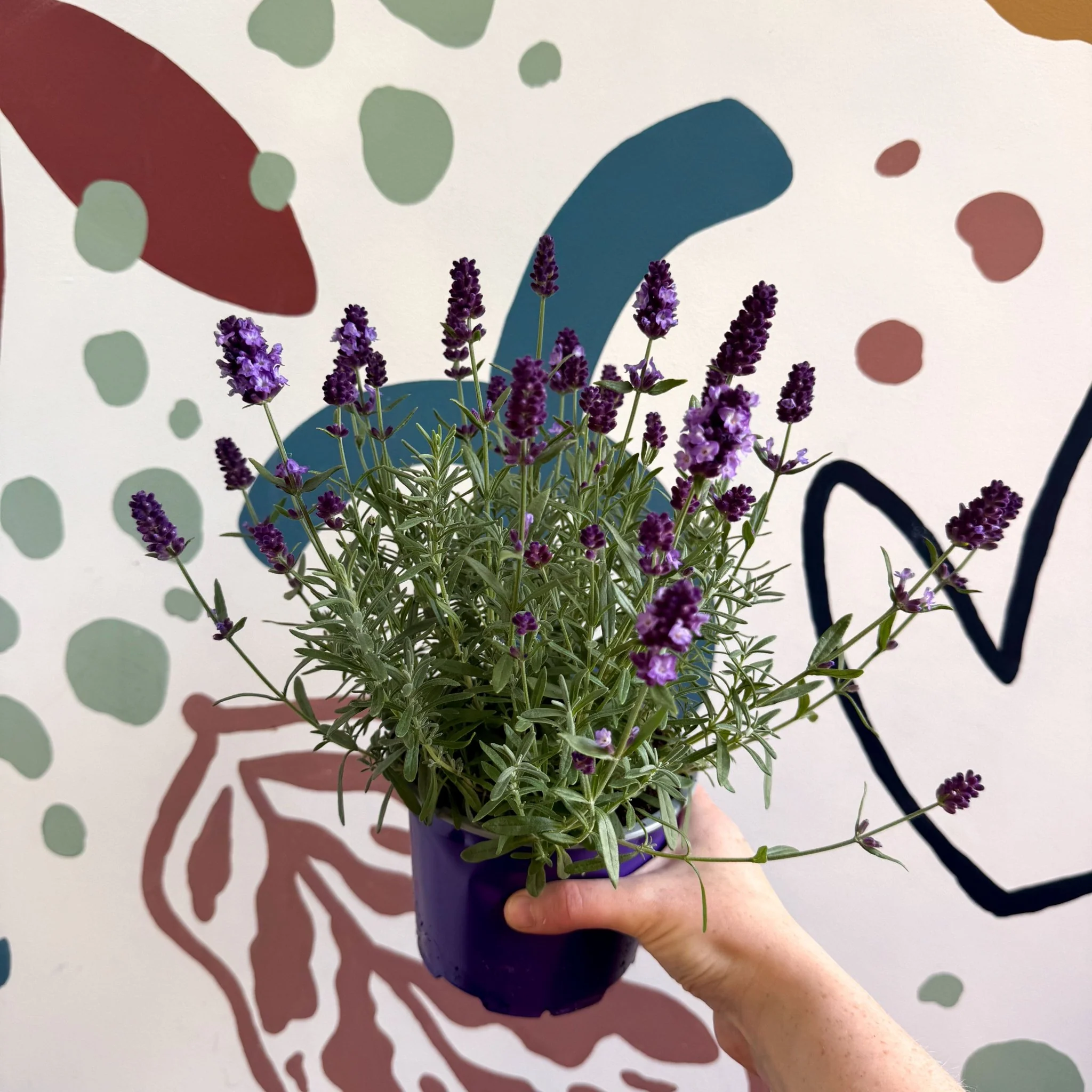
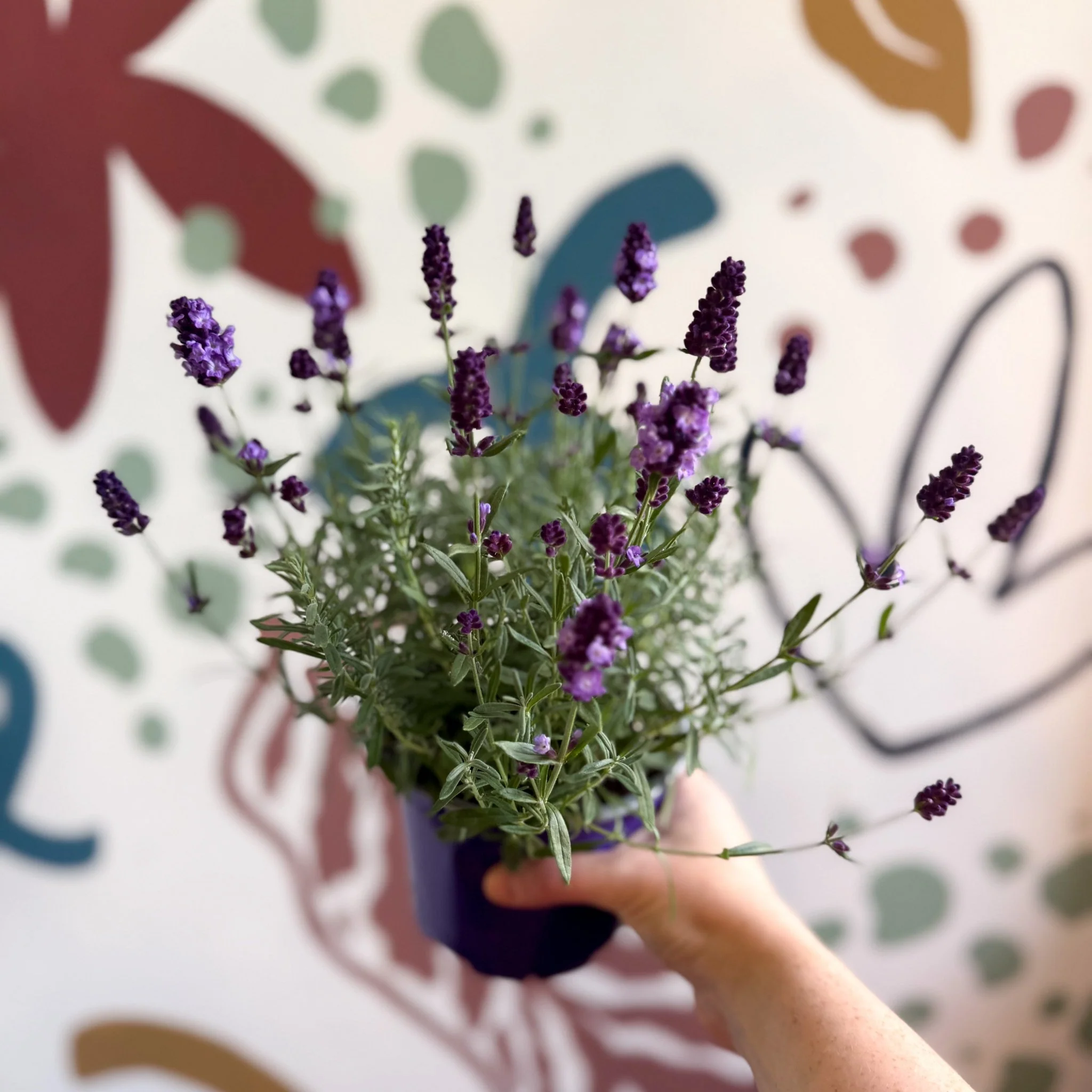
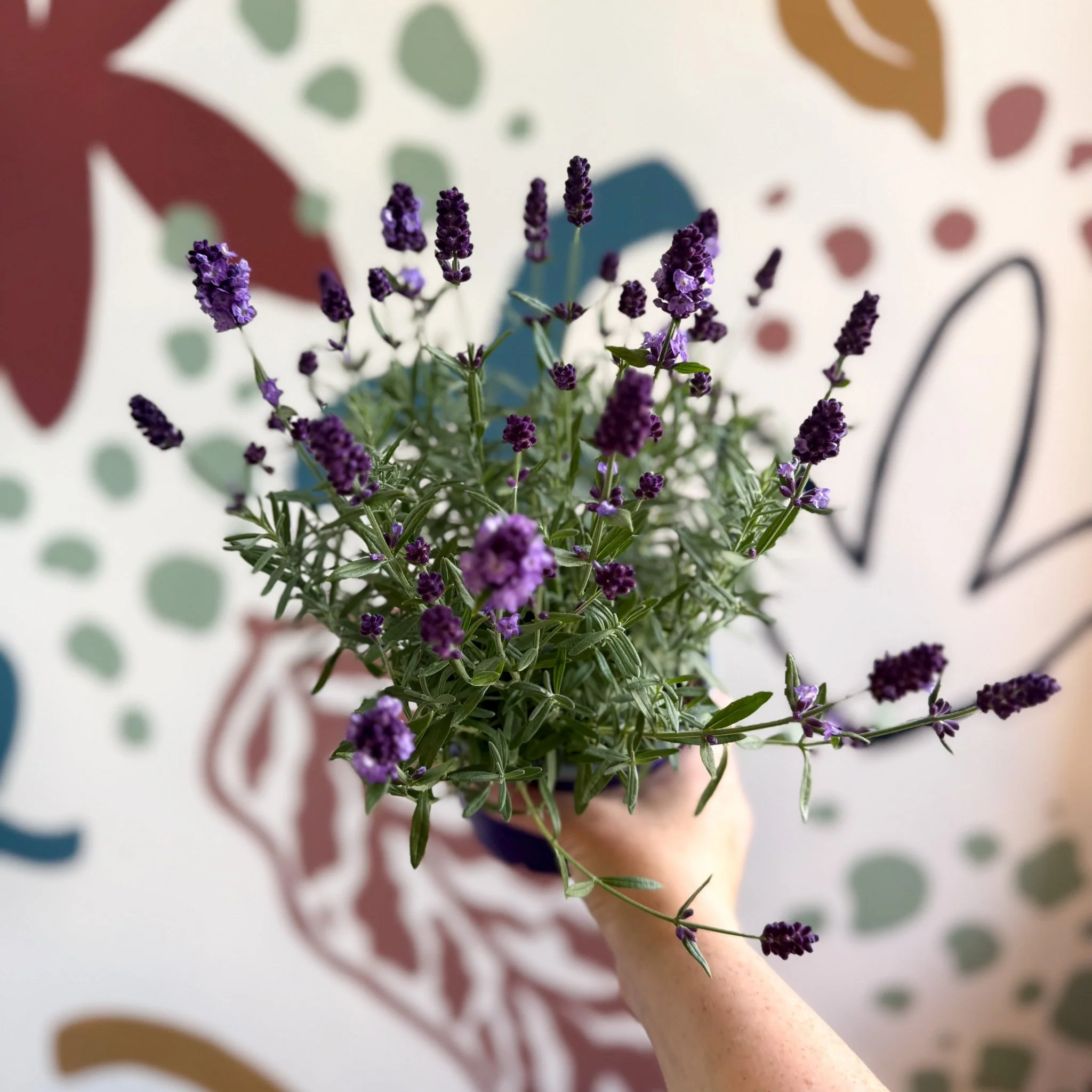
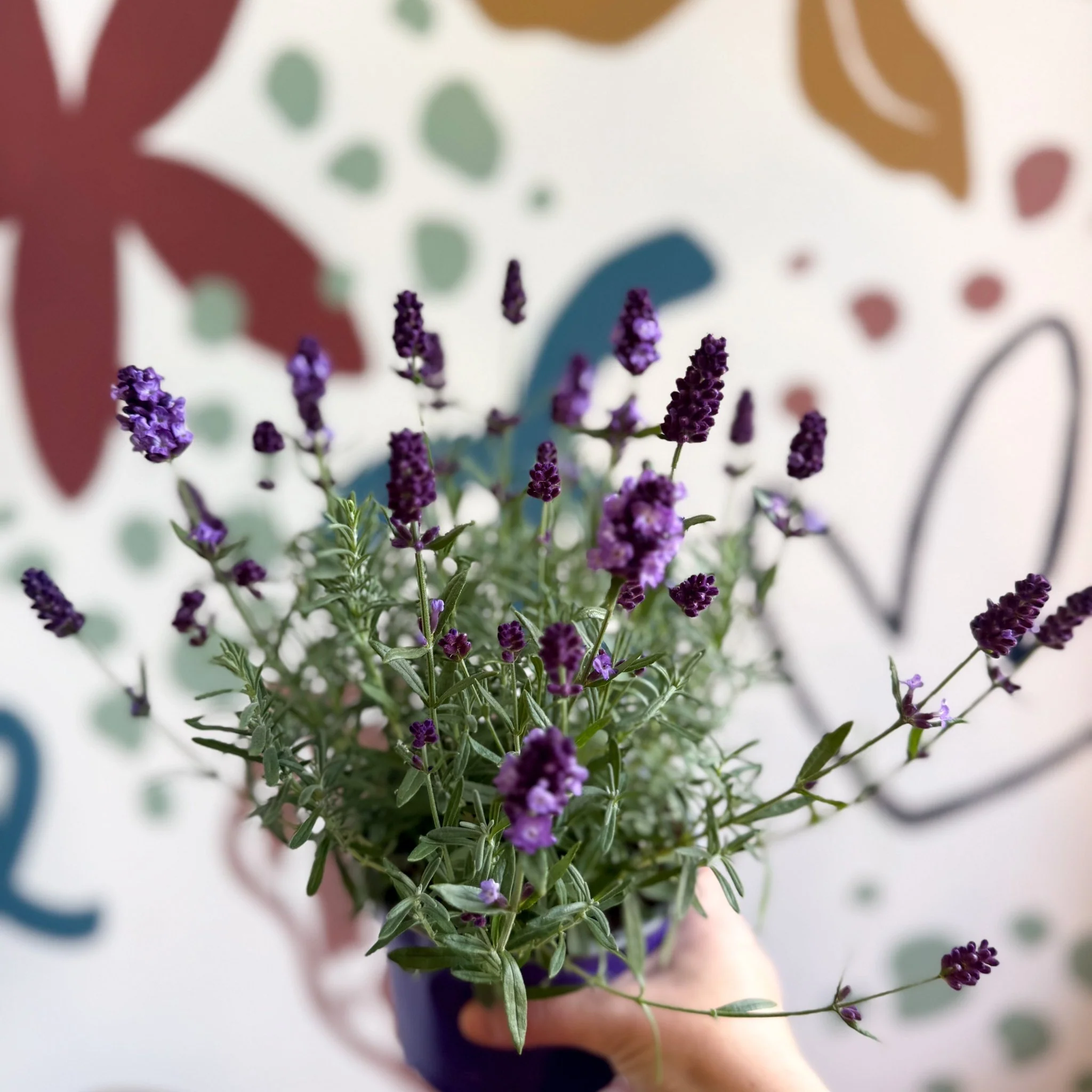
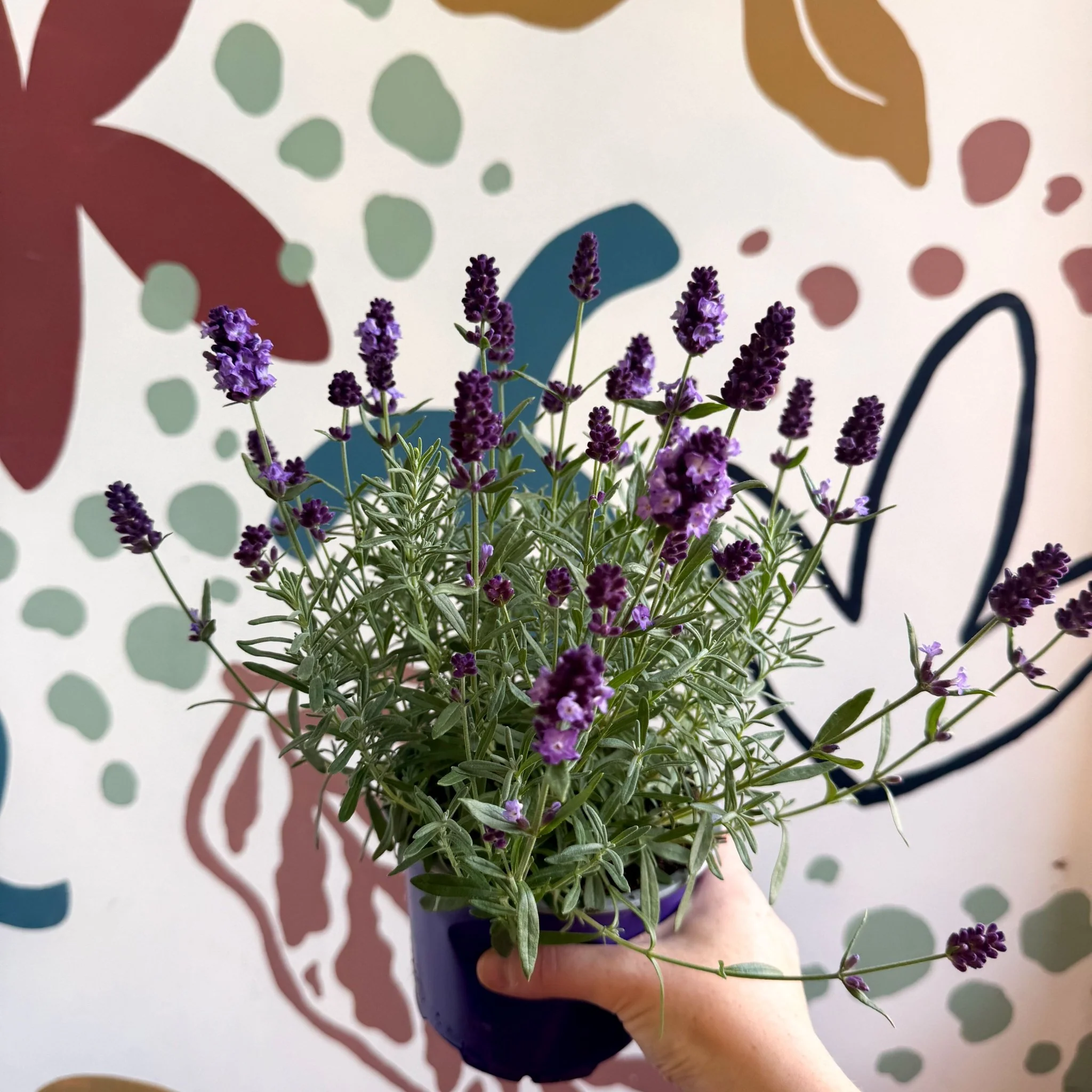
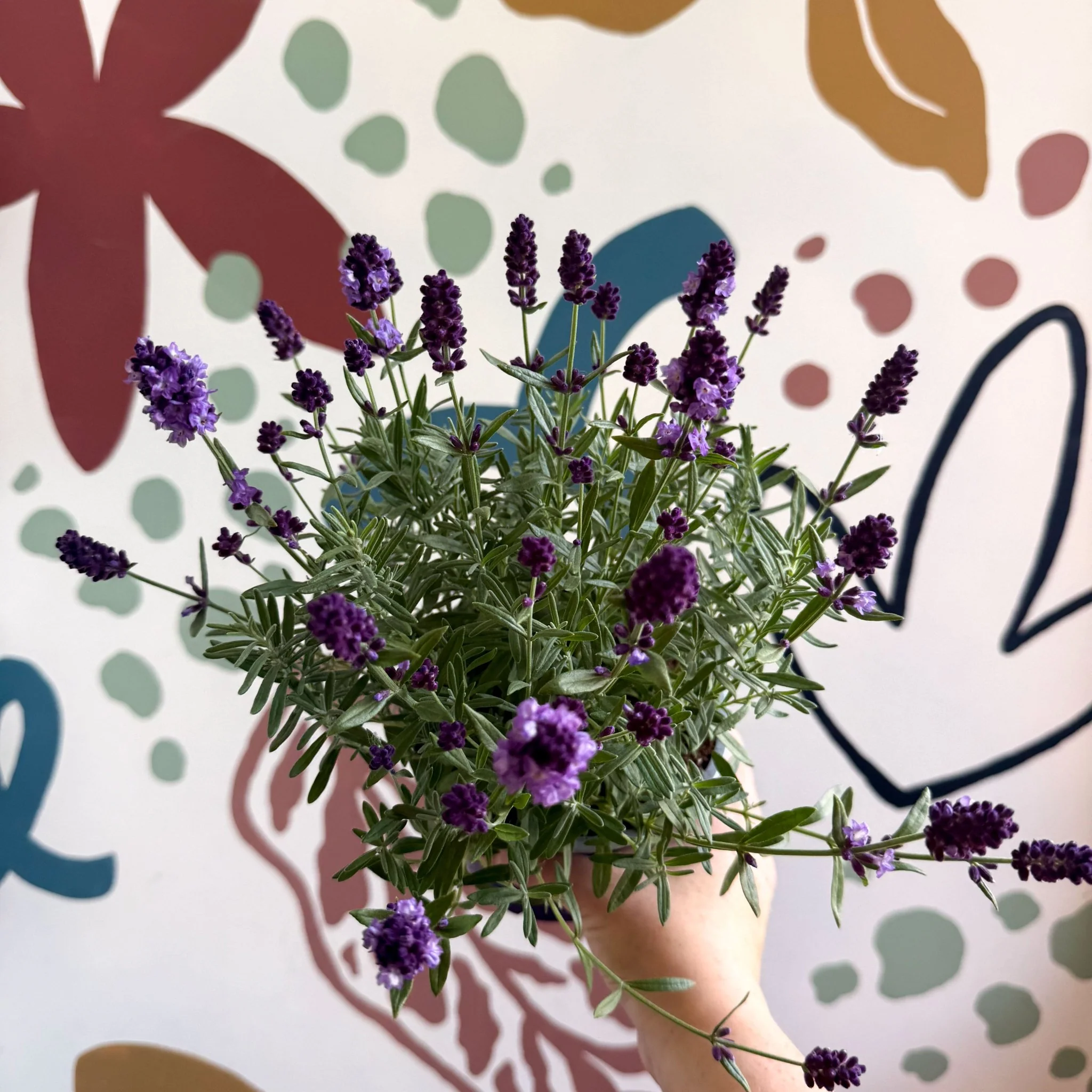
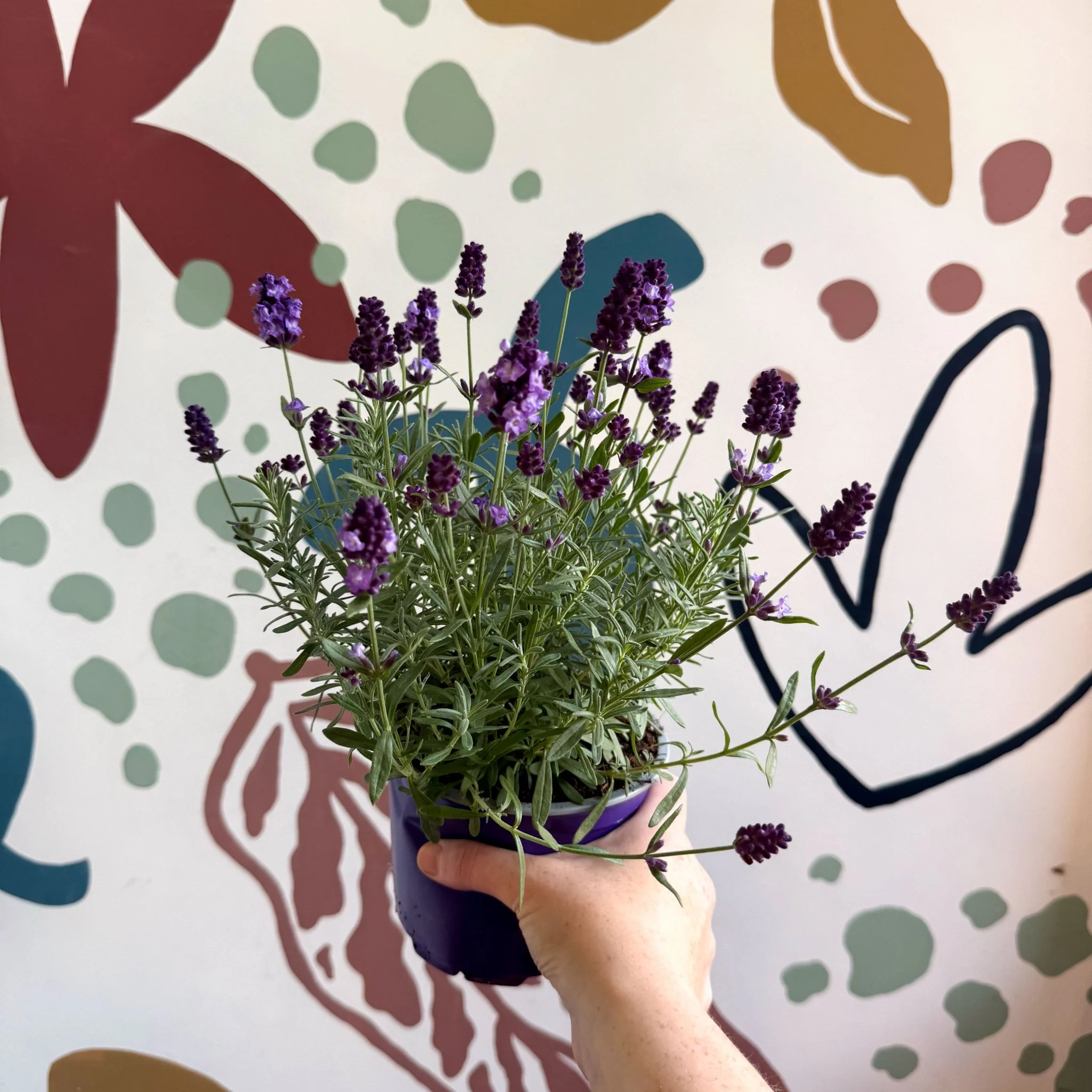
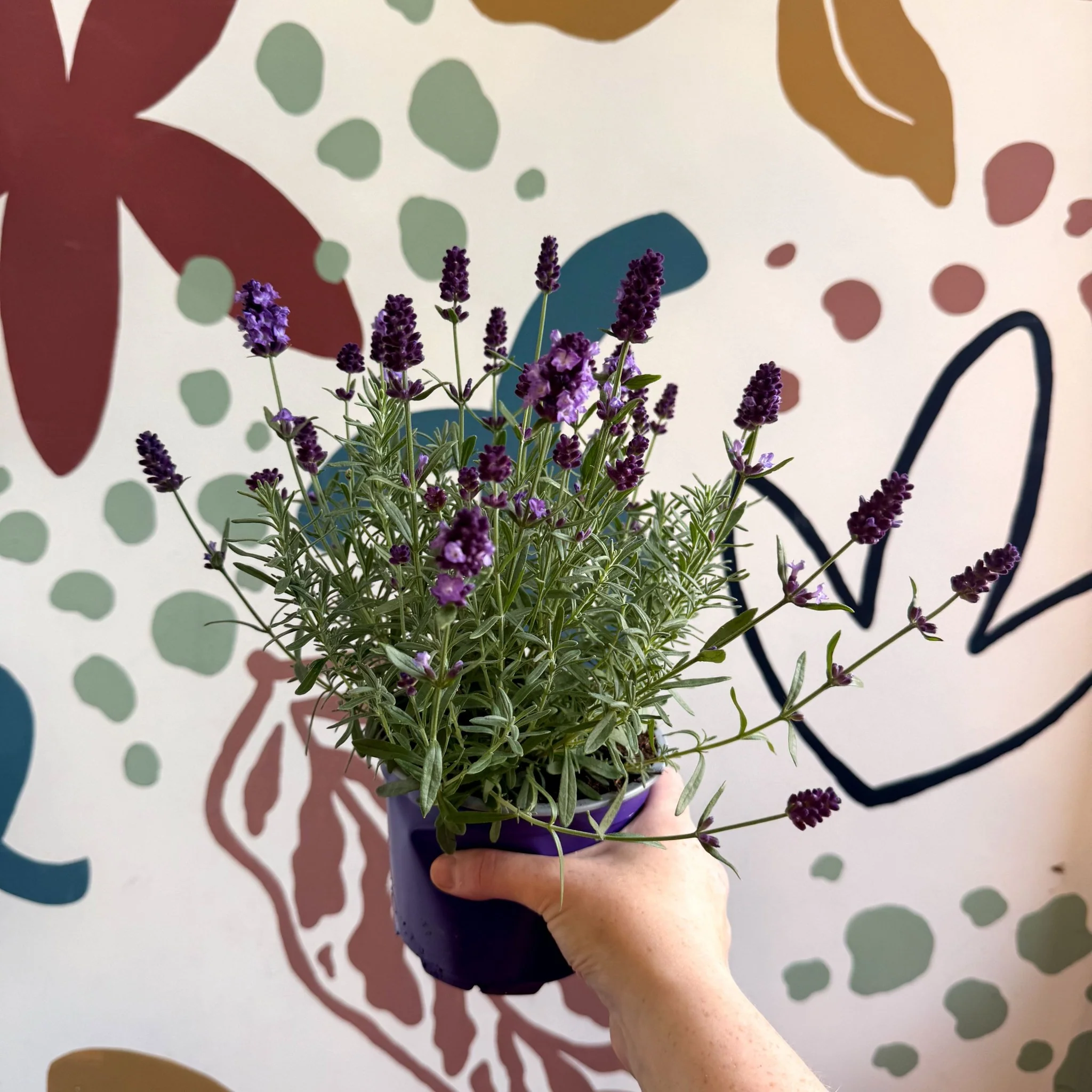
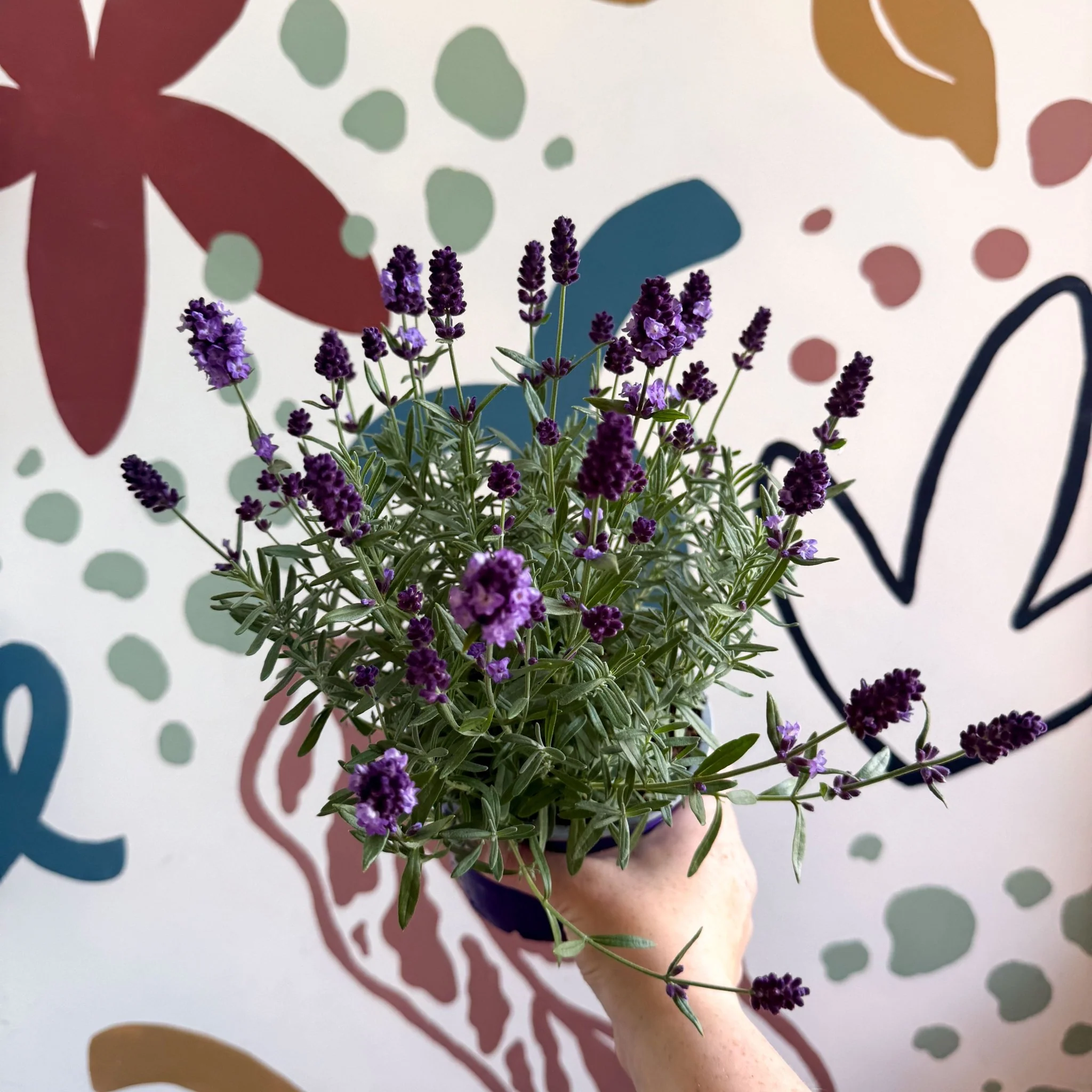
Compact, fragrant, and richly coloured, Lavandula angustifolia ‘Valence Deep Violet’ is a striking English lavender with deep purple flower spikes and dense silvery-green foliage. This dwarf variety is ideal for edging paths, filling containers, or creating neat, low hedges. Its highly scented blooms are a favourite with bees and butterflies, and its neat growth makes it perfect for smaller spaces or formal garden layouts.
Lavandula angustifolia ‘Valence Deep Violet’, commonly known as English Lavender, is valued for its hardiness, fragrance, and rich floral colour. Its neat, compact habit makes it especially suited to pots and smaller gardens.
|
Evergreen Shrub |
Evergreen in mild winters, Aromatic, Compact |
Flowers: June – August Foliage: Year-round
|
Scientific Name
Lavandula angustifolia ‘Valence Deep Violet’ (from Latin angustus = narrow and folium = leaf, referencing the plant’s narrow leaves)
English Lavender, True Lavender
Common Name
English Lavender
Origin
Species native to the Mediterranean; this compact cultivar bred for garden performance and intense flower colour
Pruning Tips
Trim back after flowering to maintain shape, avoiding cutting into woody stems. A harder prune in late summer or early autumn encourages dense regrowth
Wildlife Value
Excellent nectar source for bees, butterflies, and other pollinators
Positioning
Full sun in a well-drained, open site – ideal for borders, pots, gravel gardens, and low hedges
Water
Water during dry spells in the first year. Once established, drought tolerant
Soil
Free-draining soil is essential – thrives in poor, sandy, or chalky soils. Avoid heavy or wet conditions
Food
No regular feeding needed – overfeeding can reduce fragrance and flowering. A light mulch of grit or compost in spring is sufficient
Pet-safe
Generally considered non-toxic, though large amounts may cause mild stomach upset
Sprouts Top Tips
Perfect for edging paths where its scent is released as you brush past. To dry flowers, cut stems just before full bloom and hang upside down in a dark, airy space.
Details & Craftsmanship
Every detail has been carefully considered to bring you the perfect product.
Details & Craftsmanship
Every detail has been carefully considered to bring you the perfect product.
Details & Craftsmanship
Every detail has been carefully considered to bring you the perfect product.
Details & Craftsmanship
Every detail has been carefully considered to bring you the perfect product.
Details & Craftsmanship
Every detail has been carefully considered to bring you the perfect product.
Details & Craftsmanship
Every detail has been carefully considered to bring you the perfect product.
Details & Craftsmanship
Every detail has been carefully considered to bring you the perfect product.
Details & Craftsmanship
Every detail has been carefully considered to bring you the perfect product.
Details & Craftsmanship
Every detail has been carefully considered to bring you the perfect product.
Details & Craftsmanship
Every detail has been carefully considered to bring you the perfect product.
Details & Craftsmanship
Every detail has been carefully considered to bring you the perfect product.
Description
Compact, fragrant, and richly coloured, Lavandula angustifolia ‘Valence Deep Violet’ is a striking English lavender with deep purple flower spikes and dense silvery-green foliage. This dwarf variety is ideal for edging paths, filling containers, or creating neat, low hedges. Its highly scented blooms are a favourite with bees and butterflies, and its neat growth makes it perfect for smaller spaces or formal garden layouts.
Lavandula angustifolia ‘Valence Deep Violet’, commonly known as English Lavender, is valued for its hardiness, fragrance, and rich floral colour. Its neat, compact habit makes it especially suited to pots and smaller gardens.
|
Evergreen Shrub |
Evergreen in mild winters, Aromatic, Compact |
Flowers: June – August Foliage: Year-round
|
Scientific Name
Lavandula angustifolia ‘Valence Deep Violet’ (from Latin angustus = narrow and folium = leaf, referencing the plant’s narrow leaves)
English Lavender, True Lavender
Common Name
English Lavender
Origin
Species native to the Mediterranean; this compact cultivar bred for garden performance and intense flower colour
Pruning Tips
Trim back after flowering to maintain shape, avoiding cutting into woody stems. A harder prune in late summer or early autumn encourages dense regrowth
Wildlife Value
Excellent nectar source for bees, butterflies, and other pollinators
Positioning
Full sun in a well-drained, open site – ideal for borders, pots, gravel gardens, and low hedges
Water
Water during dry spells in the first year. Once established, drought tolerant
Soil
Free-draining soil is essential – thrives in poor, sandy, or chalky soils. Avoid heavy or wet conditions
Food
No regular feeding needed – overfeeding can reduce fragrance and flowering. A light mulch of grit or compost in spring is sufficient
Pet-safe
Generally considered non-toxic, though large amounts may cause mild stomach upset
Sprouts Top Tips
Perfect for edging paths where its scent is released as you brush past. To dry flowers, cut stems just before full bloom and hang upside down in a dark, airy space.