The Story
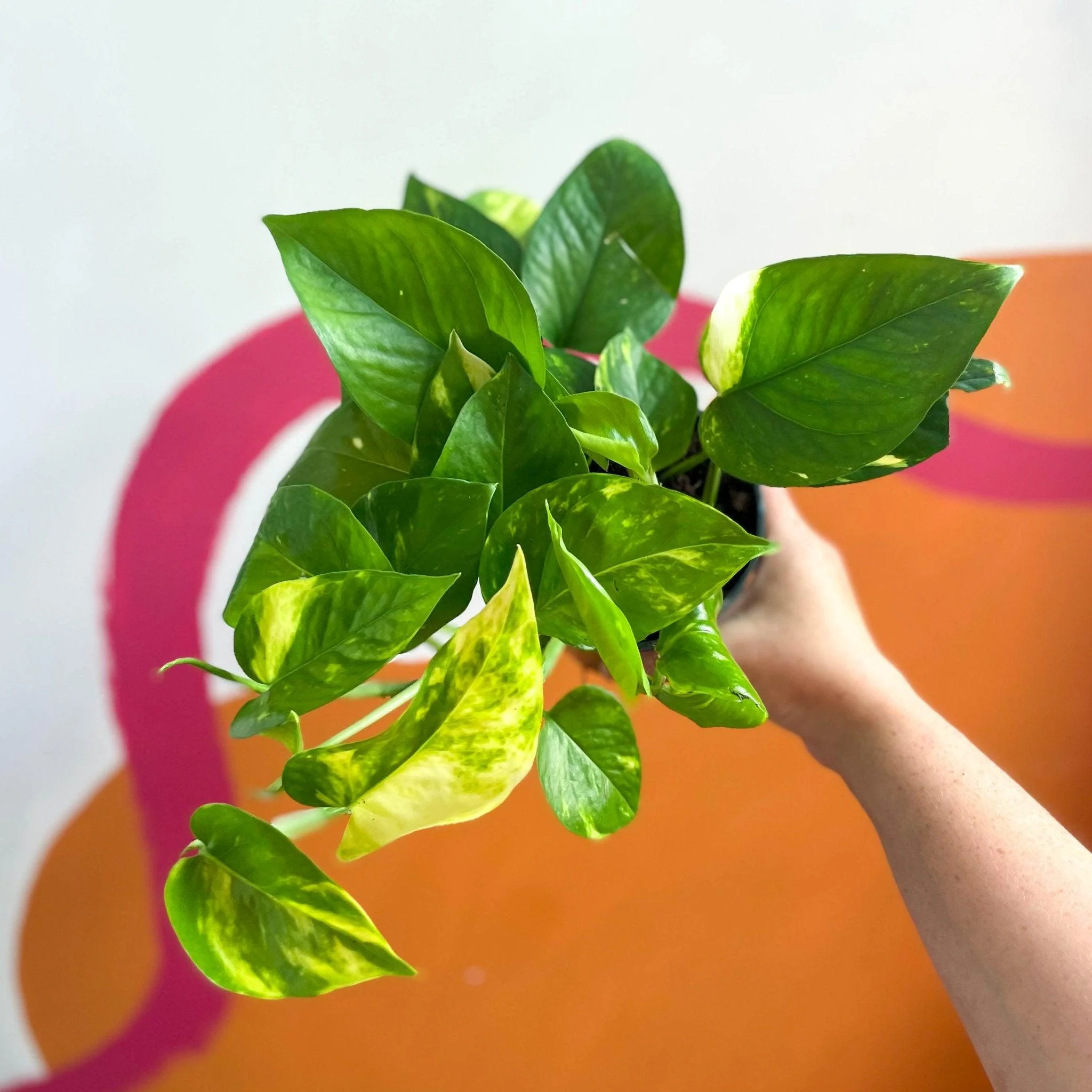
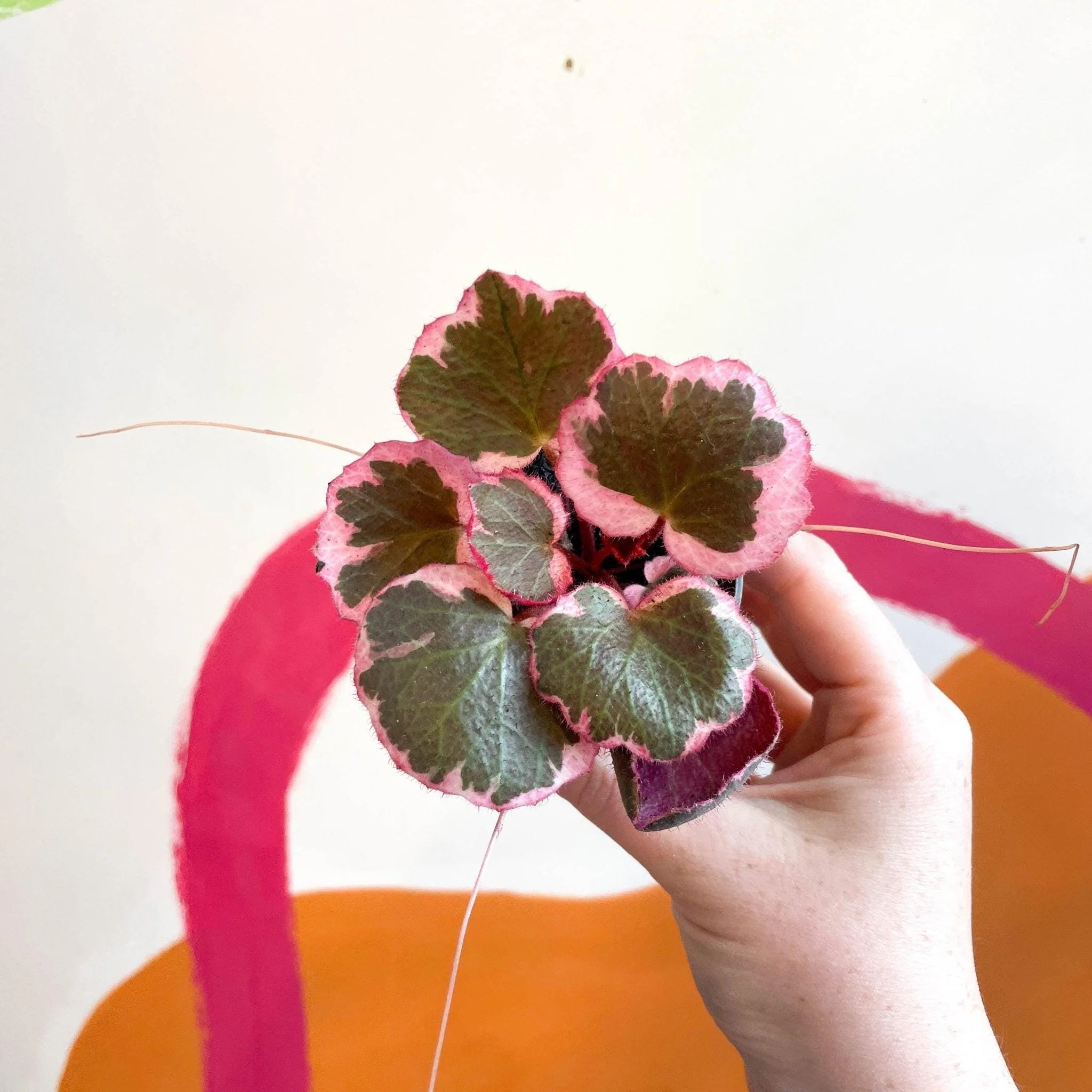
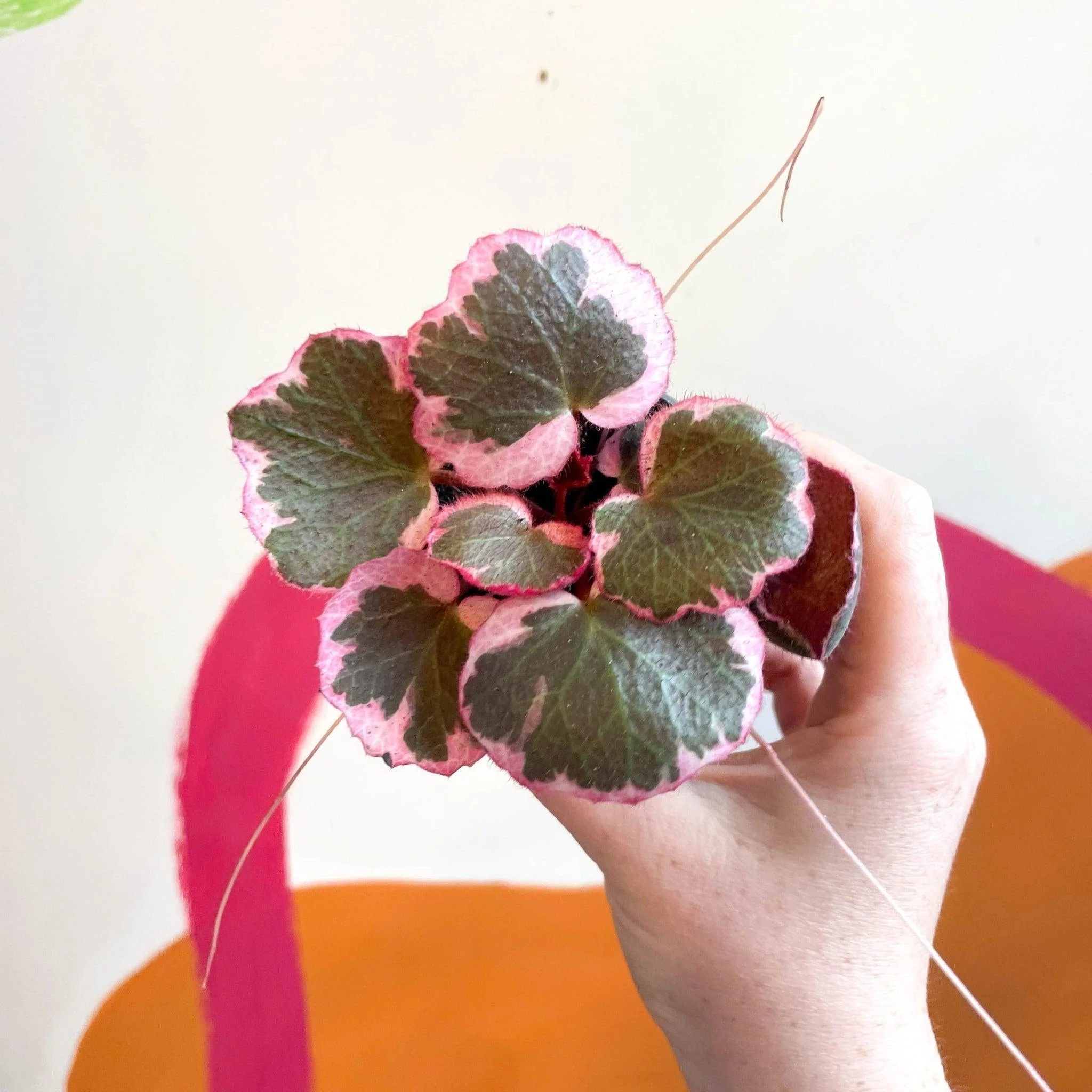
Delicate and eye-catching, Ficus sagittata ‘Variegata Pink’ is a trailing or climbing ficus with small, arrow-shaped leaves splashed in soft green, cream, and blush pink tones. Its fine stems and dainty foliage make it perfect for shelves, hanging pots, or training along a frame for a more structured look. A lovely choice if you’re after something a little more unusual with a gentle pop of colour.
Scientific Name
Ficus sagittata ‘Variegata Pink’ (arrow-shaped fig, referring to the leaf form)
Synonyms
Sometimes listed simply as Ficus sagittata ‘Variegata’ with pink tones developing in good light
Common Name
Variegated Arrowhead Fig, Pink Variegated Ficus
Origin
Derived from Ficus sagittata, native to Southeast Asia
Light
Prefers bright, indirect light to maintain its variegation and pink tones. Lower light may reduce colour and cause leggier growth. Avoid strong direct sun
Water
Keep the soil lightly moist but not soggy. Allow the top layer to dry slightly between waterings. Avoid letting it dry out completely
Humidity
Enjoys moderate to higher humidity. Will adapt to average household conditions but benefits from a little extra moisture in the air
Soil
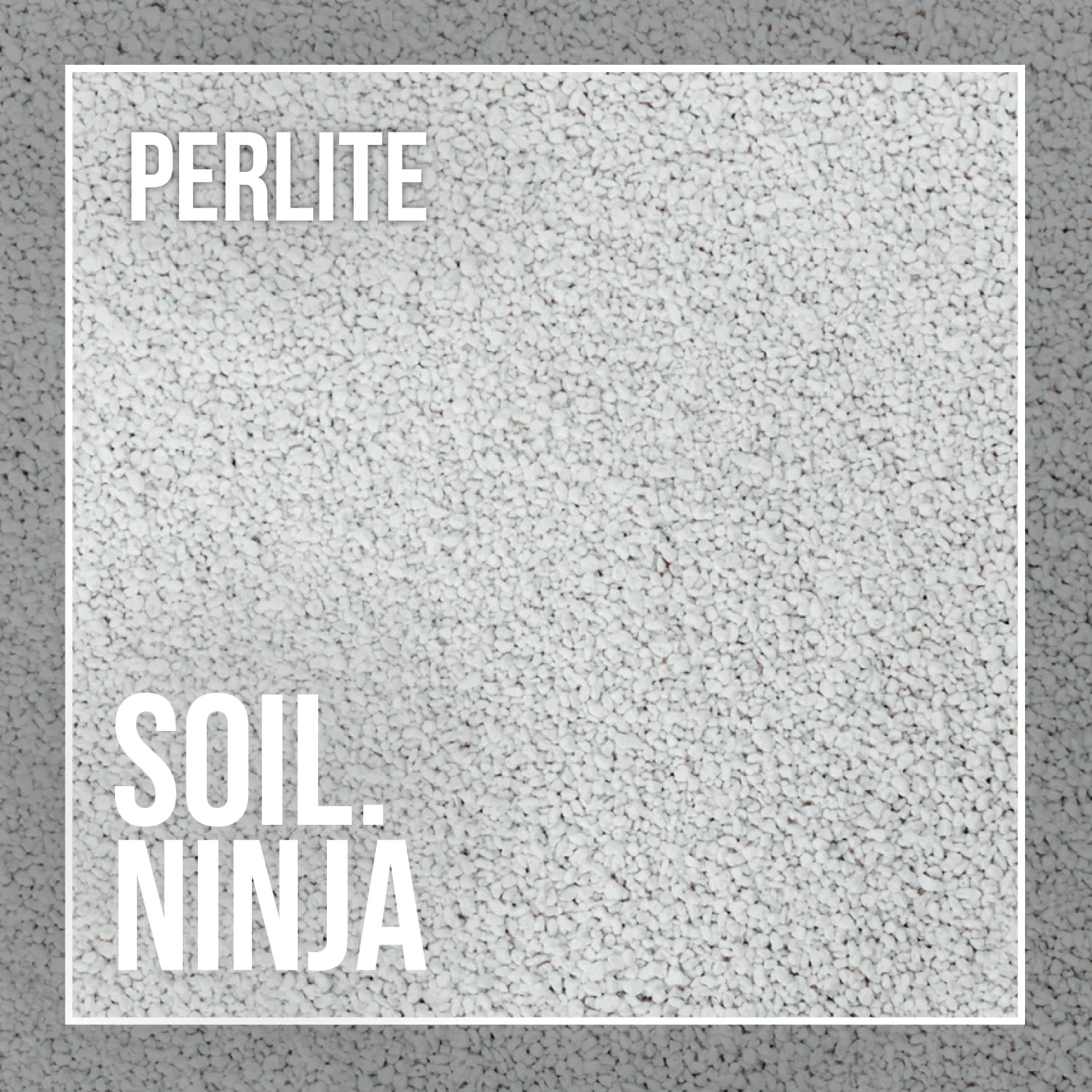
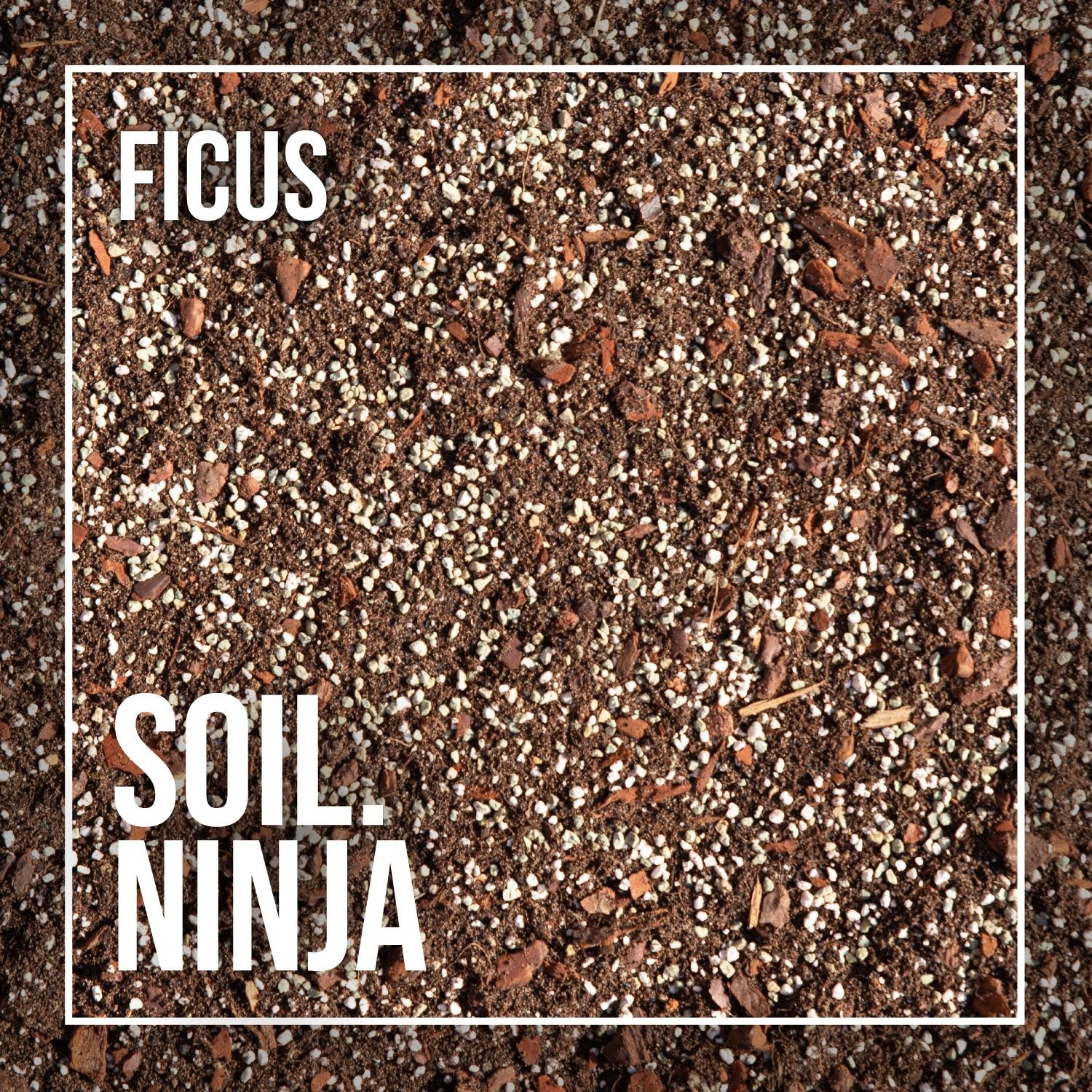
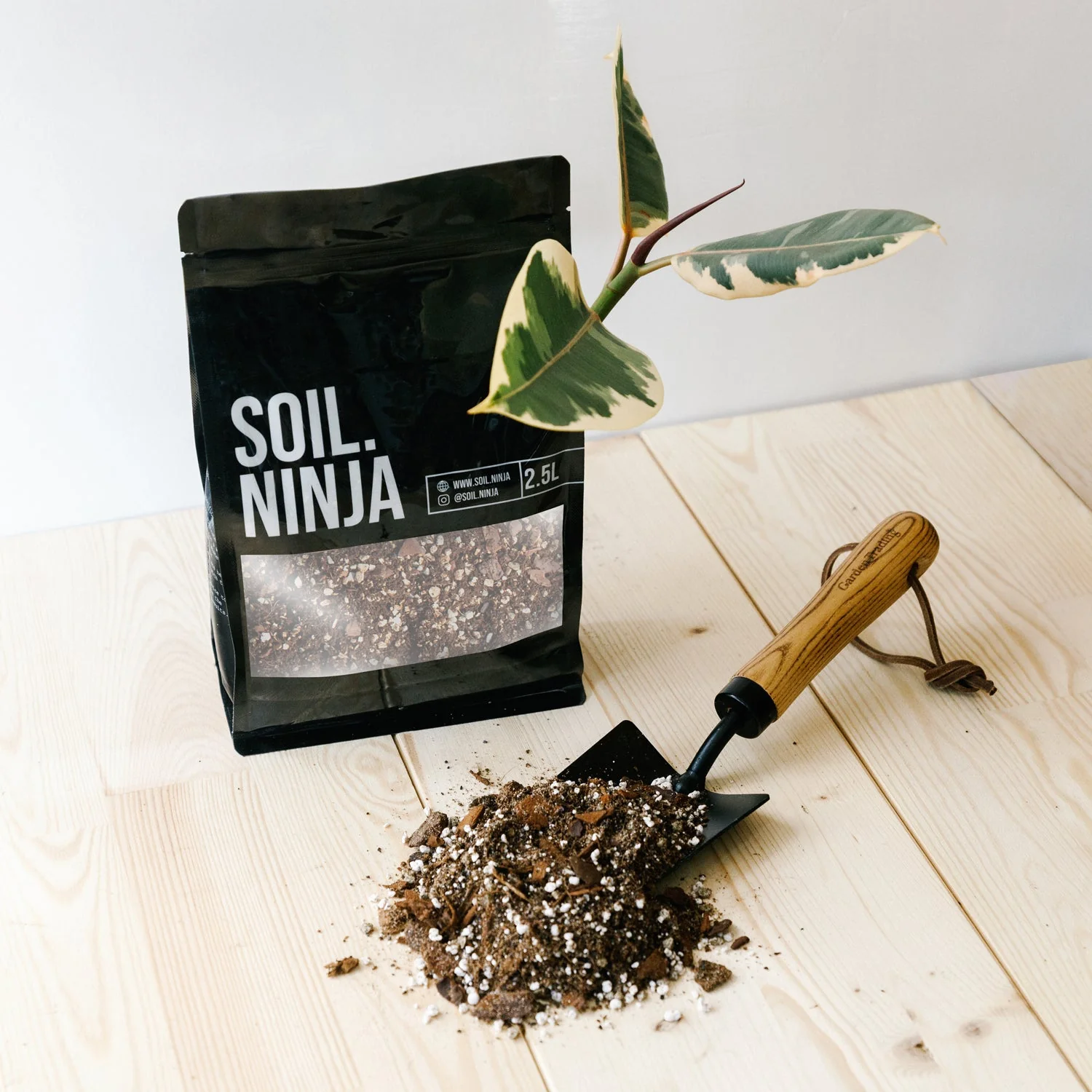
Use a well-draining houseplant mix with added perlite or bark to keep airflow around the roots
Food
Feed every 2–4 weeks during the growing season with a balanced liquid fertiliser. Reduce feeding in autumn and winter
Temperature
Prefers temperatures between 18–26°C. Avoid temperatures below 12°C and keep away from cold drafts
Pet-safe
Toxic if ingested, so keep out of reach of pets and children
Sprouts Top Tips
If the pink tones start to fade, it’s usually a sign it needs more light. Move it somewhere brighter to bring those soft blush colours back through.
Details & Craftsmanship
Every detail has been carefully considered to bring you the perfect product.
Details & Craftsmanship
Every detail has been carefully considered to bring you the perfect product.
Details & Craftsmanship
Every detail has been carefully considered to bring you the perfect product.
Details & Craftsmanship
Every detail has been carefully considered to bring you the perfect product.
Details & Craftsmanship
Every detail has been carefully considered to bring you the perfect product.
Details & Craftsmanship
Every detail has been carefully considered to bring you the perfect product.
Details & Craftsmanship
Every detail has been carefully considered to bring you the perfect product.
Details & Craftsmanship
Every detail has been carefully considered to bring you the perfect product.
Details & Craftsmanship
Every detail has been carefully considered to bring you the perfect product.
Details & Craftsmanship
Every detail has been carefully considered to bring you the perfect product.
Description
Delicate and eye-catching, Ficus sagittata ‘Variegata Pink’ is a trailing or climbing ficus with small, arrow-shaped leaves splashed in soft green, cream, and blush pink tones. Its fine stems and dainty foliage make it perfect for shelves, hanging pots, or training along a frame for a more structured look. A lovely choice if you’re after something a little more unusual with a gentle pop of colour.
Scientific Name
Ficus sagittata ‘Variegata Pink’ (arrow-shaped fig, referring to the leaf form)
Synonyms
Sometimes listed simply as Ficus sagittata ‘Variegata’ with pink tones developing in good light
Common Name
Variegated Arrowhead Fig, Pink Variegated Ficus
Origin
Derived from Ficus sagittata, native to Southeast Asia
Light
Prefers bright, indirect light to maintain its variegation and pink tones. Lower light may reduce colour and cause leggier growth. Avoid strong direct sun
Water
Keep the soil lightly moist but not soggy. Allow the top layer to dry slightly between waterings. Avoid letting it dry out completely
Humidity
Enjoys moderate to higher humidity. Will adapt to average household conditions but benefits from a little extra moisture in the air
Soil
Use a well-draining houseplant mix with added perlite or bark to keep airflow around the roots
Food
Feed every 2–4 weeks during the growing season with a balanced liquid fertiliser. Reduce feeding in autumn and winter
Temperature
Prefers temperatures between 18–26°C. Avoid temperatures below 12°C and keep away from cold drafts
Pet-safe
Toxic if ingested, so keep out of reach of pets and children
Sprouts Top Tips
If the pink tones start to fade, it’s usually a sign it needs more light. Move it somewhere brighter to bring those soft blush colours back through.