Original: $4.10
-65%$4.10
$1.43The Story
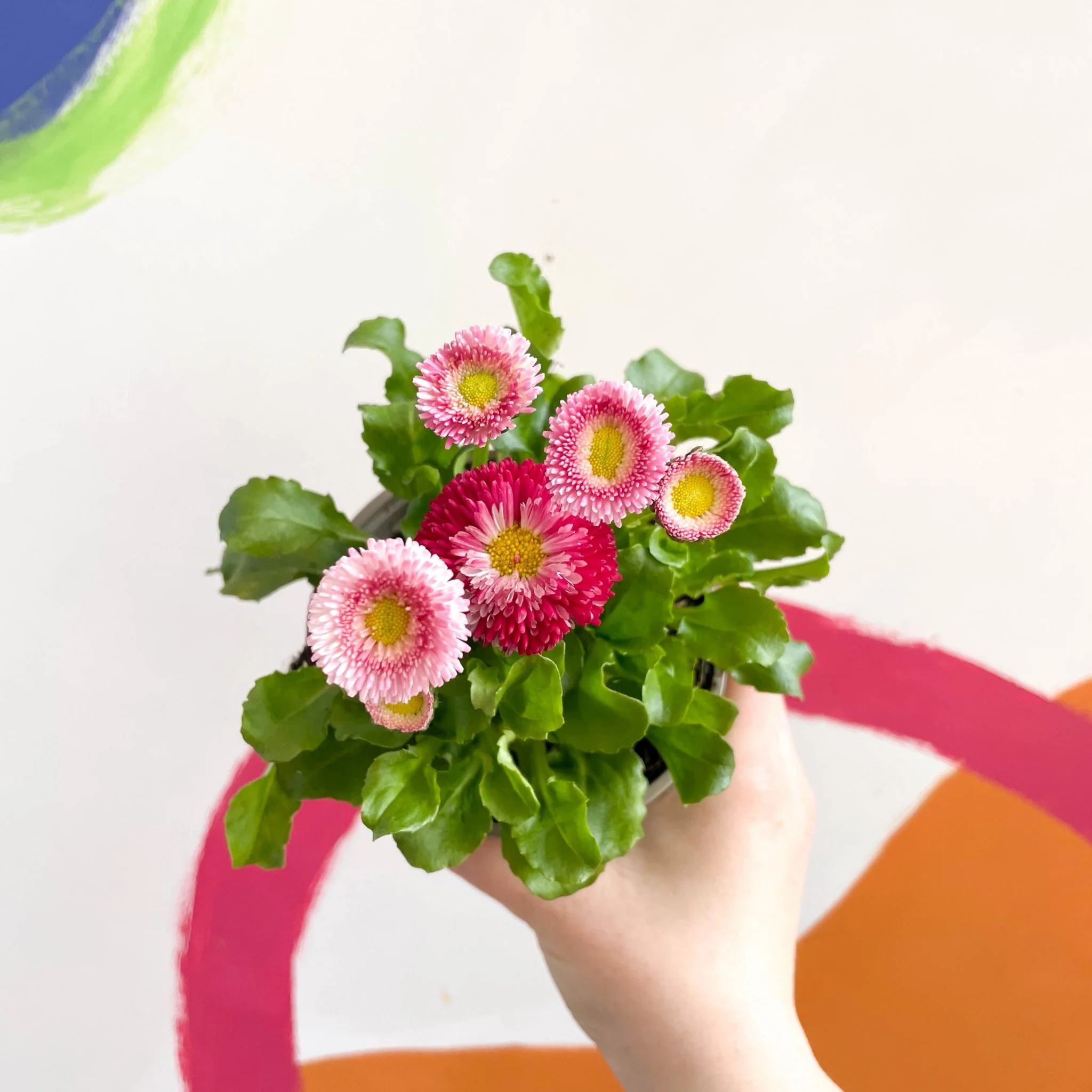
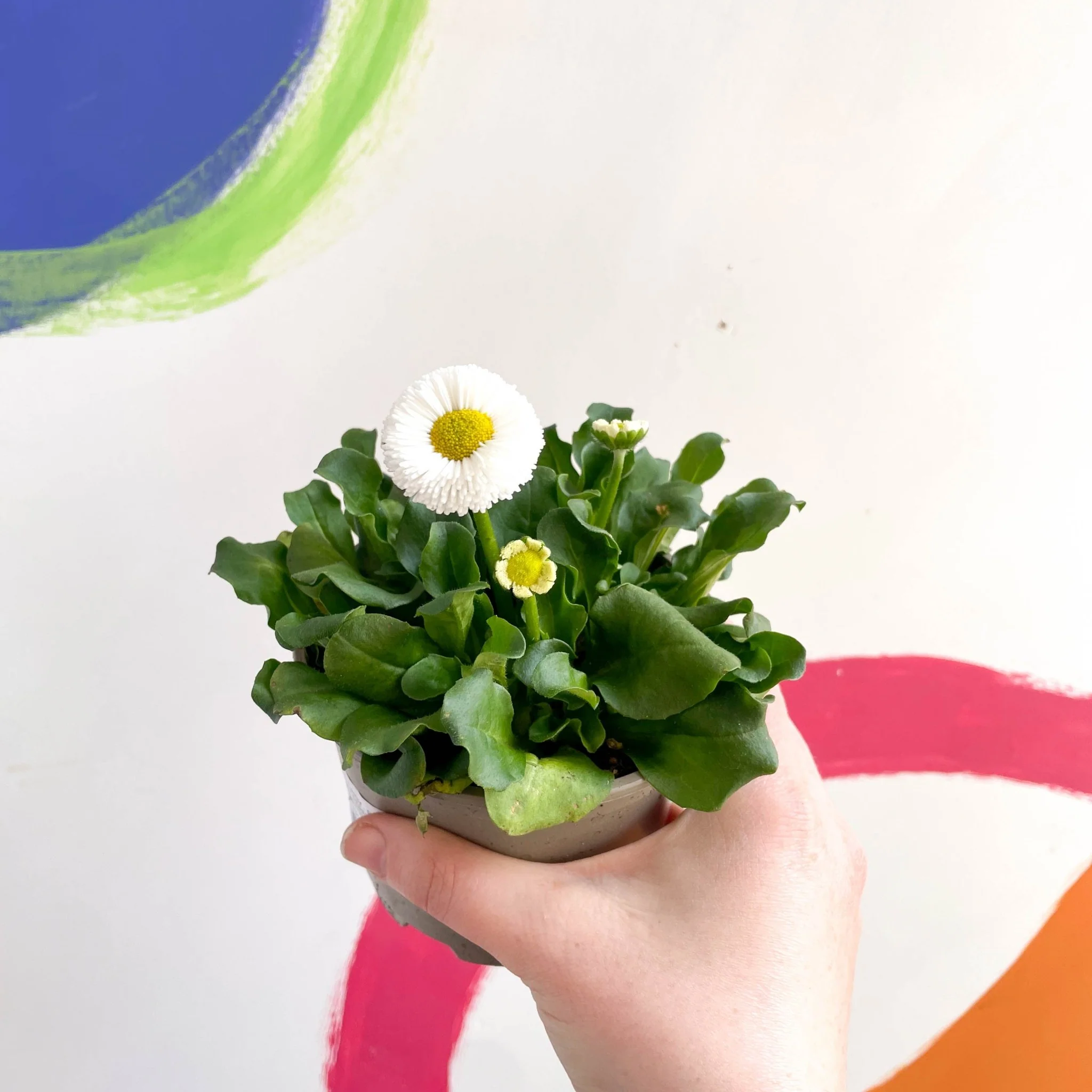
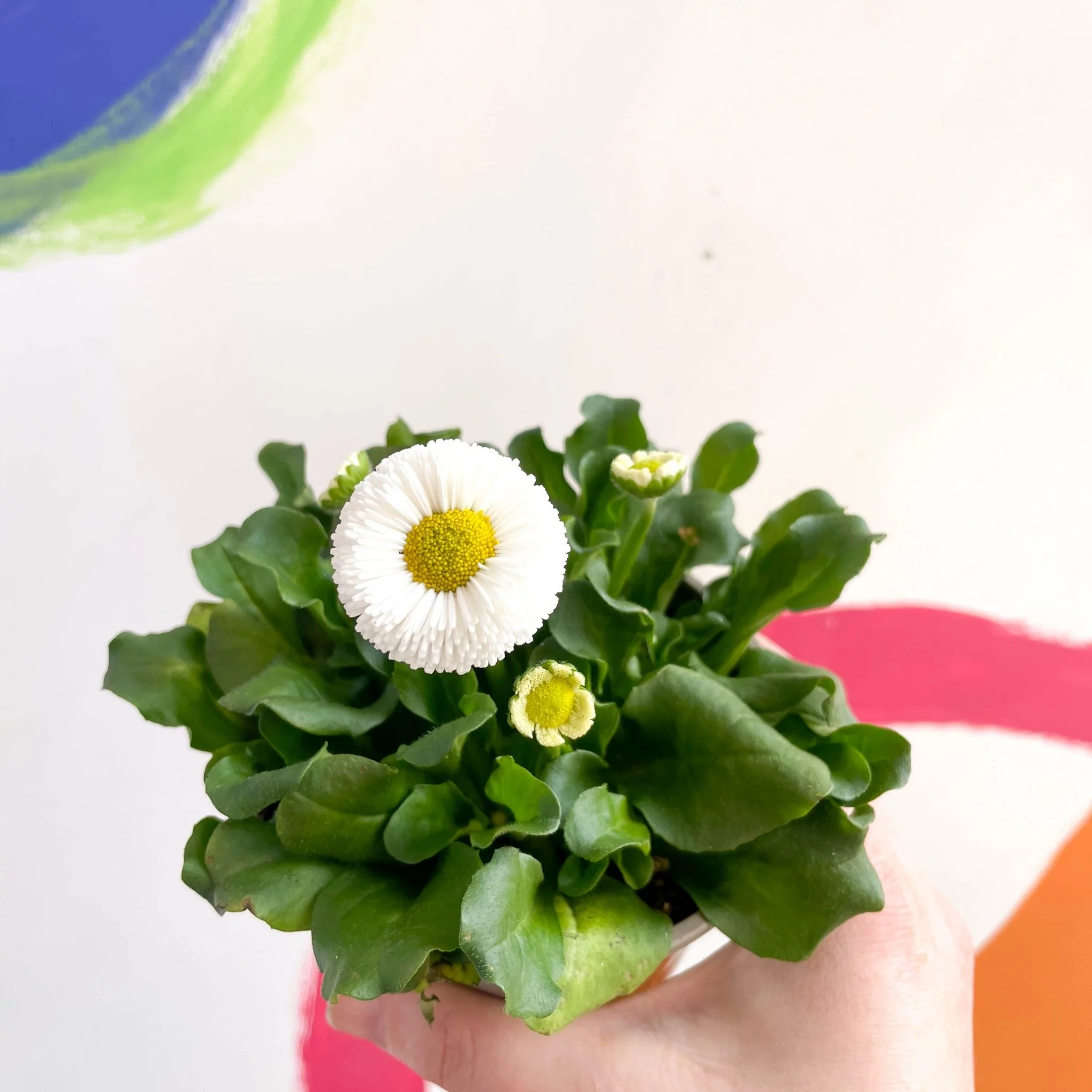
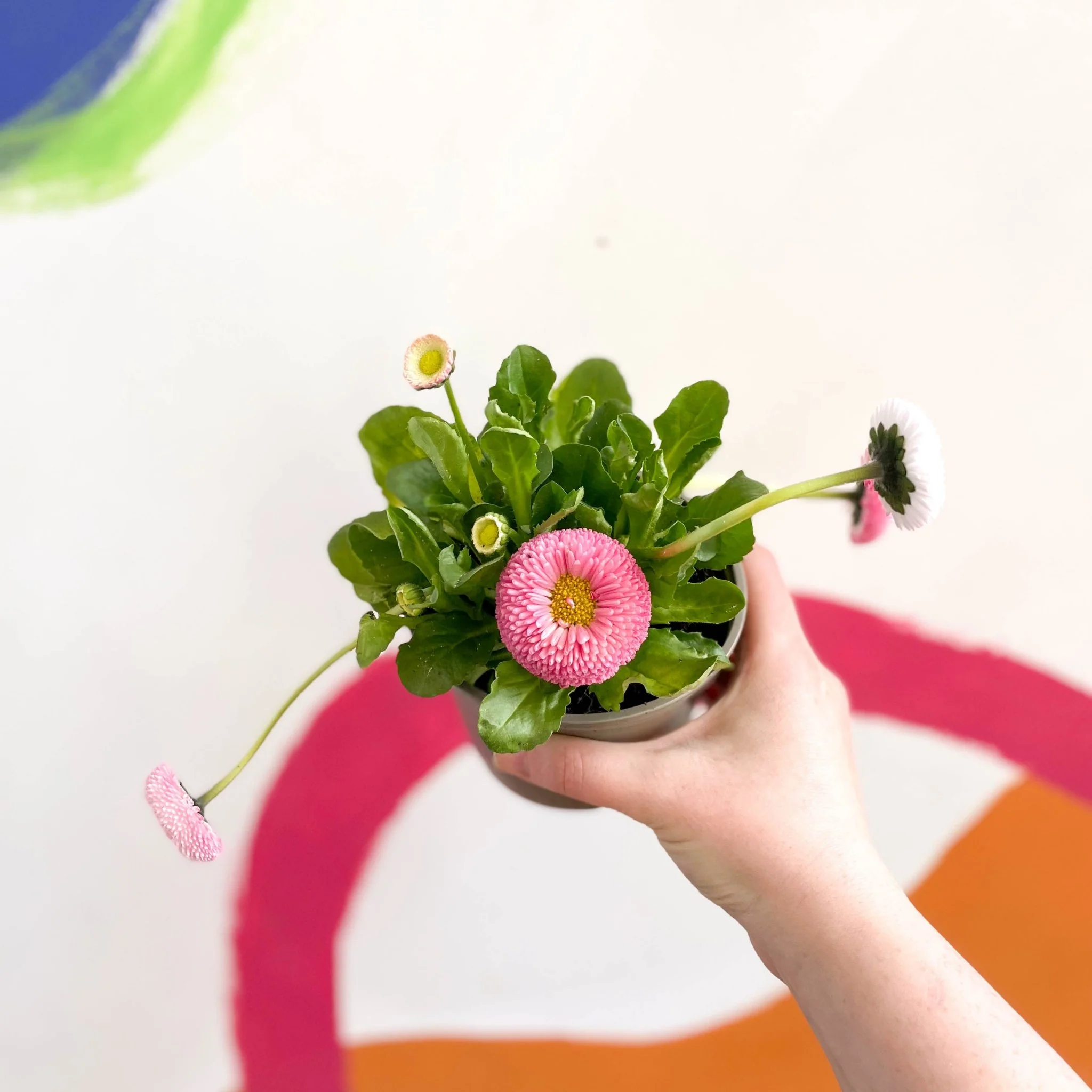
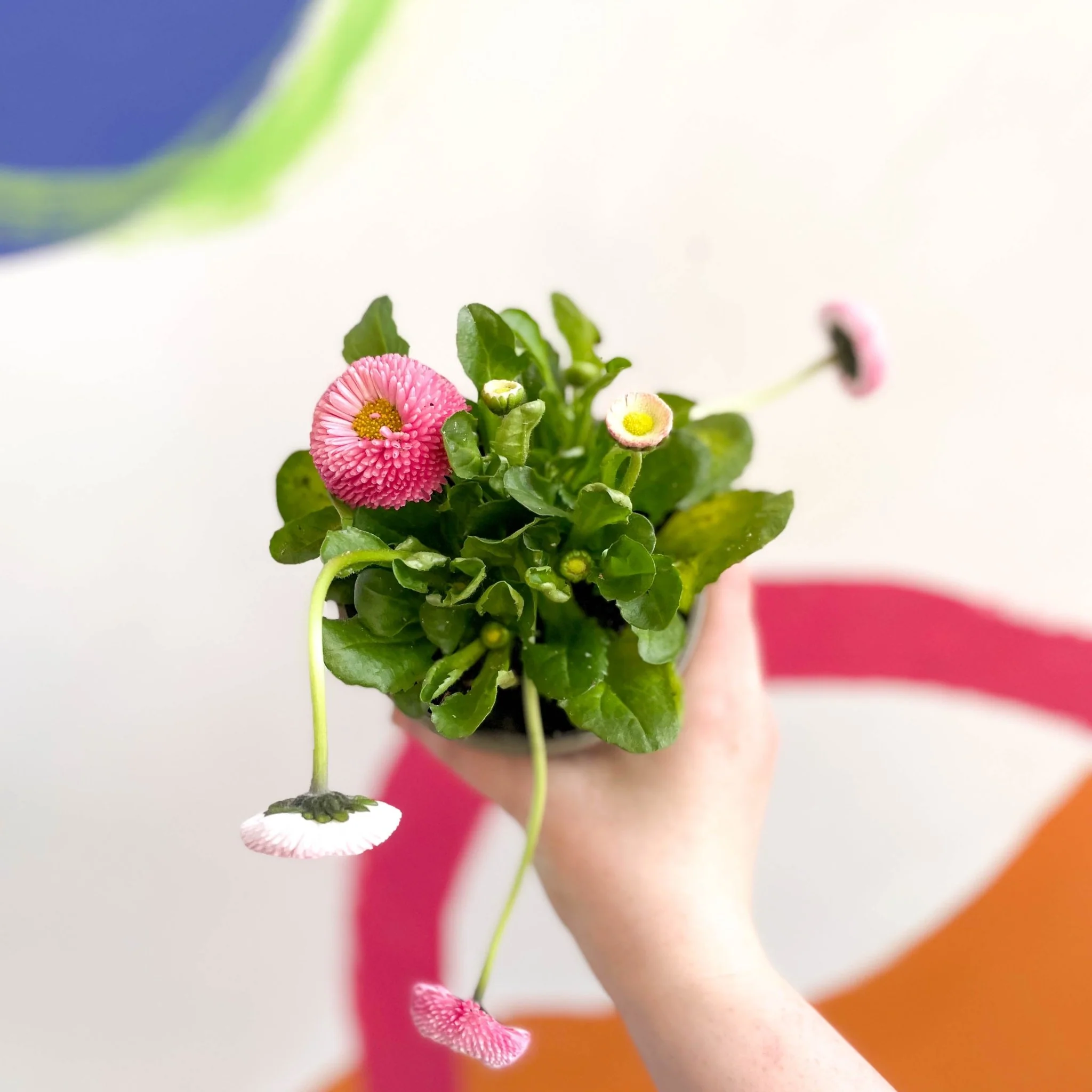
Grow the daisy as you've never seen it before - pink-and-white petals surround the yellow centres, growing from a verdant base of evergreen leaf. Fully hardy throughout the whole of the UK, down below -20°C.
Bellis perennis, commonly known as Daisy, is celebrated for its resilience, long flowering period, and ability to thrive in a range of garden conditions. This British-grown variety is excellent for pollinator-friendly spaces, bringing a natural and whimsical touch to any garden.
|
Evergreen perennial |
Flower, mat forming |
Flowers spring and summer, foliage year-round |
Scientific Name
Bellis perennis (pretty perennial)
Common Name
Daisy, Common Daisy, DOuble Daisy, Bairnwort, Banwood, Boneflower, Common Gowan, Herb Margaret, Noon Flower, Llygad y dydd
Origin
Native throughout Europe (including the UK) and western Asia, as well as Morocco and Tunisia in North Africa.
Pruning Tips
No pruning is required; deadhead if you want to stop them self-seeding.
Wildlife Value
On the RHS' list of Plants for Pollinators, daisies are a fantastic source of pollen and nectar throughout spring and summer. They are known to be visited by a variety of insects, including honeybees, flies and beetles.
Positioning
Daisies like a spot of sun, so plant in full sun to partial shade. They are happy in both sheltered and windy spots.
Water
May need a water in particularly dry weather; just make sure it isn't sat in a puddle, especially in winter.
Soil
Likes a well-drained soil, but does need some moisture. Not fussy about soil type or pH.
Food
Can benefit from a fortnightly feed with high-potash fertiliser to keep those blooms coming.
Pet-safe
Maybe - Daisies are fine for dogs and many other pets, but can be toxic to cats.
Sprouts Top Tips
For a natural look, allow some daisies to self-seed in lawns or meadow areas, creating a long-lasting, wildlife-friendly display.
Details & Craftsmanship
Every detail has been carefully considered to bring you the perfect product.
Details & Craftsmanship
Every detail has been carefully considered to bring you the perfect product.
Details & Craftsmanship
Every detail has been carefully considered to bring you the perfect product.
Details & Craftsmanship
Every detail has been carefully considered to bring you the perfect product.
Details & Craftsmanship
Every detail has been carefully considered to bring you the perfect product.
Details & Craftsmanship
Every detail has been carefully considered to bring you the perfect product.
Description
Grow the daisy as you've never seen it before - pink-and-white petals surround the yellow centres, growing from a verdant base of evergreen leaf. Fully hardy throughout the whole of the UK, down below -20°C.
Bellis perennis, commonly known as Daisy, is celebrated for its resilience, long flowering period, and ability to thrive in a range of garden conditions. This British-grown variety is excellent for pollinator-friendly spaces, bringing a natural and whimsical touch to any garden.
|
Evergreen perennial |
Flower, mat forming |
Flowers spring and summer, foliage year-round |
Scientific Name
Bellis perennis (pretty perennial)
Common Name
Daisy, Common Daisy, DOuble Daisy, Bairnwort, Banwood, Boneflower, Common Gowan, Herb Margaret, Noon Flower, Llygad y dydd
Origin
Native throughout Europe (including the UK) and western Asia, as well as Morocco and Tunisia in North Africa.
Pruning Tips
No pruning is required; deadhead if you want to stop them self-seeding.
Wildlife Value
On the RHS' list of Plants for Pollinators, daisies are a fantastic source of pollen and nectar throughout spring and summer. They are known to be visited by a variety of insects, including honeybees, flies and beetles.
Positioning
Daisies like a spot of sun, so plant in full sun to partial shade. They are happy in both sheltered and windy spots.
Water
May need a water in particularly dry weather; just make sure it isn't sat in a puddle, especially in winter.
Soil
Likes a well-drained soil, but does need some moisture. Not fussy about soil type or pH.
Food
Can benefit from a fortnightly feed with high-potash fertiliser to keep those blooms coming.
Pet-safe
Maybe - Daisies are fine for dogs and many other pets, but can be toxic to cats.
Sprouts Top Tips
For a natural look, allow some daisies to self-seed in lawns or meadow areas, creating a long-lasting, wildlife-friendly display.