The Story
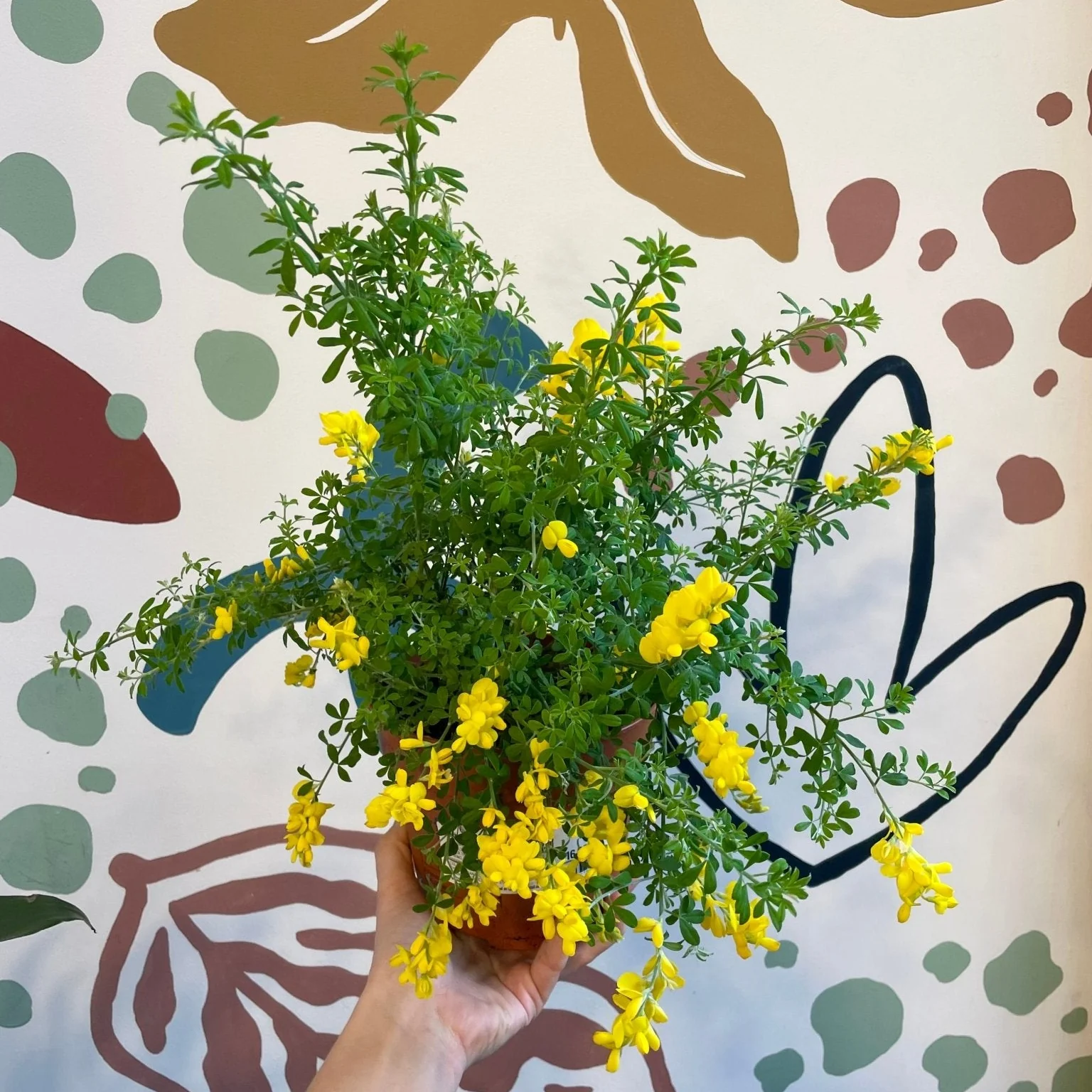
This bright and cheerful shrub produces masses of vivid yellow, pea like flowers that cover the plant in a glowing display during spring. Cytisus varieties, commonly known as Broom, are perfect for adding bold seasonal colour and structure to sunny gardens, with their vibrant blooms standing out beautifully against slender green stems.
Cytisus – Yellow Flowering Broom Shrub, commonly known as Broom, is loved for its upright, bushy habit and its ability to thrive in poorer soils where many other plants struggle. Its fine foliage and airy structure create a soft, natural look, while its flowers attract pollinators and bring early season brightness to borders and open spaces.
Perennial Shrub
Upright, Bushy, Light and airy
Flowers: April – June
Foliage: Spring – Autumn with green stems providing year round interest
Scientific Name
Cytisus (name derived from an ancient Greek word for clover like plants)
Synonyms
Closely related to Genista species, sometimes confused in horticulture
Common Name
Broom
Origin
Native to Europe, North Africa, and western Asia
Pruning Tips
Prune immediately after flowering to maintain shape and encourage strong growth. Avoid cutting back into old woody stems, as regrowth can be poor
Wildlife Value
Attracts bees and other pollinators during its flowering period
Positioning
Full sun in a well drained, open position. Ideal for borders, gravel gardens, and coastal planting
Water
Water during establishment. Once established, it is highly drought tolerant
Soil
Poor to moderately fertile, well drained soil. Thrives in sandy or gravelly conditions and dislikes heavy, wet soils
Food
Rarely needed. Avoid over feeding, as this can reduce flowering performance
Pet-safe
Toxic if ingested, so keep out of reach of pets
Sprouts Top Tips
Perfect for low maintenance, sunny spots where other plants may struggle. Pair with grasses or other drought tolerant plants for a relaxed, natural look.
Description
This bright and cheerful shrub produces masses of vivid yellow, pea like flowers that cover the plant in a glowing display during spring. Cytisus varieties, commonly known as Broom, are perfect for adding bold seasonal colour and structure to sunny gardens, with their vibrant blooms standing out beautifully against slender green stems.
Cytisus – Yellow Flowering Broom Shrub, commonly known as Broom, is loved for its upright, bushy habit and its ability to thrive in poorer soils where many other plants struggle. Its fine foliage and airy structure create a soft, natural look, while its flowers attract pollinators and bring early season brightness to borders and open spaces.
Perennial Shrub
Upright, Bushy, Light and airy
Flowers: April – June
Foliage: Spring – Autumn with green stems providing year round interest
Scientific Name
Cytisus (name derived from an ancient Greek word for clover like plants)
Synonyms
Closely related to Genista species, sometimes confused in horticulture
Common Name
Broom
Origin
Native to Europe, North Africa, and western Asia
Pruning Tips
Prune immediately after flowering to maintain shape and encourage strong growth. Avoid cutting back into old woody stems, as regrowth can be poor
Wildlife Value
Attracts bees and other pollinators during its flowering period
Positioning
Full sun in a well drained, open position. Ideal for borders, gravel gardens, and coastal planting
Water
Water during establishment. Once established, it is highly drought tolerant
Soil
Poor to moderately fertile, well drained soil. Thrives in sandy or gravelly conditions and dislikes heavy, wet soils
Food
Rarely needed. Avoid over feeding, as this can reduce flowering performance
Pet-safe
Toxic if ingested, so keep out of reach of pets
Sprouts Top Tips
Perfect for low maintenance, sunny spots where other plants may struggle. Pair with grasses or other drought tolerant plants for a relaxed, natural look.