
Original: $8.20
-65%$8.20
$2.87The Story
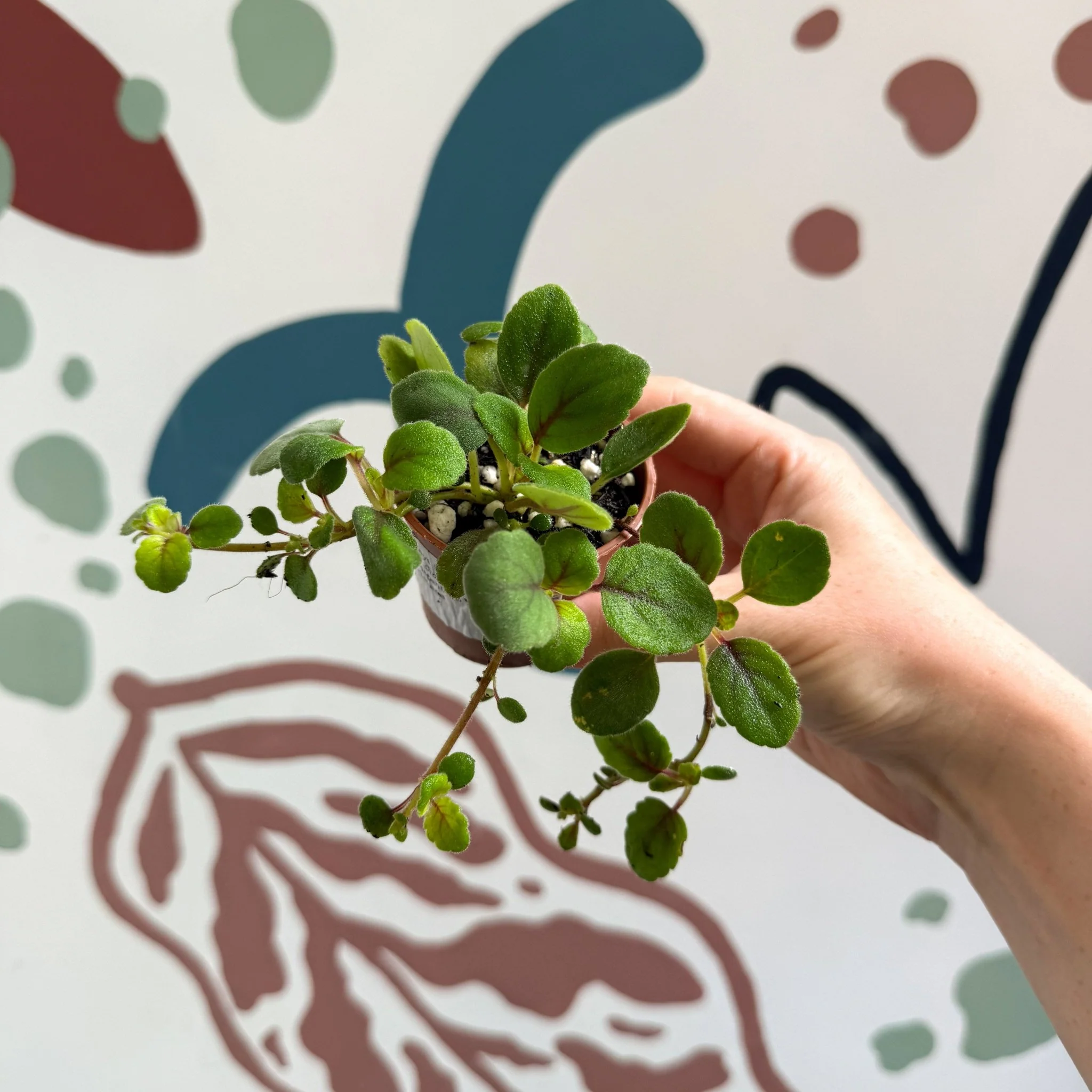
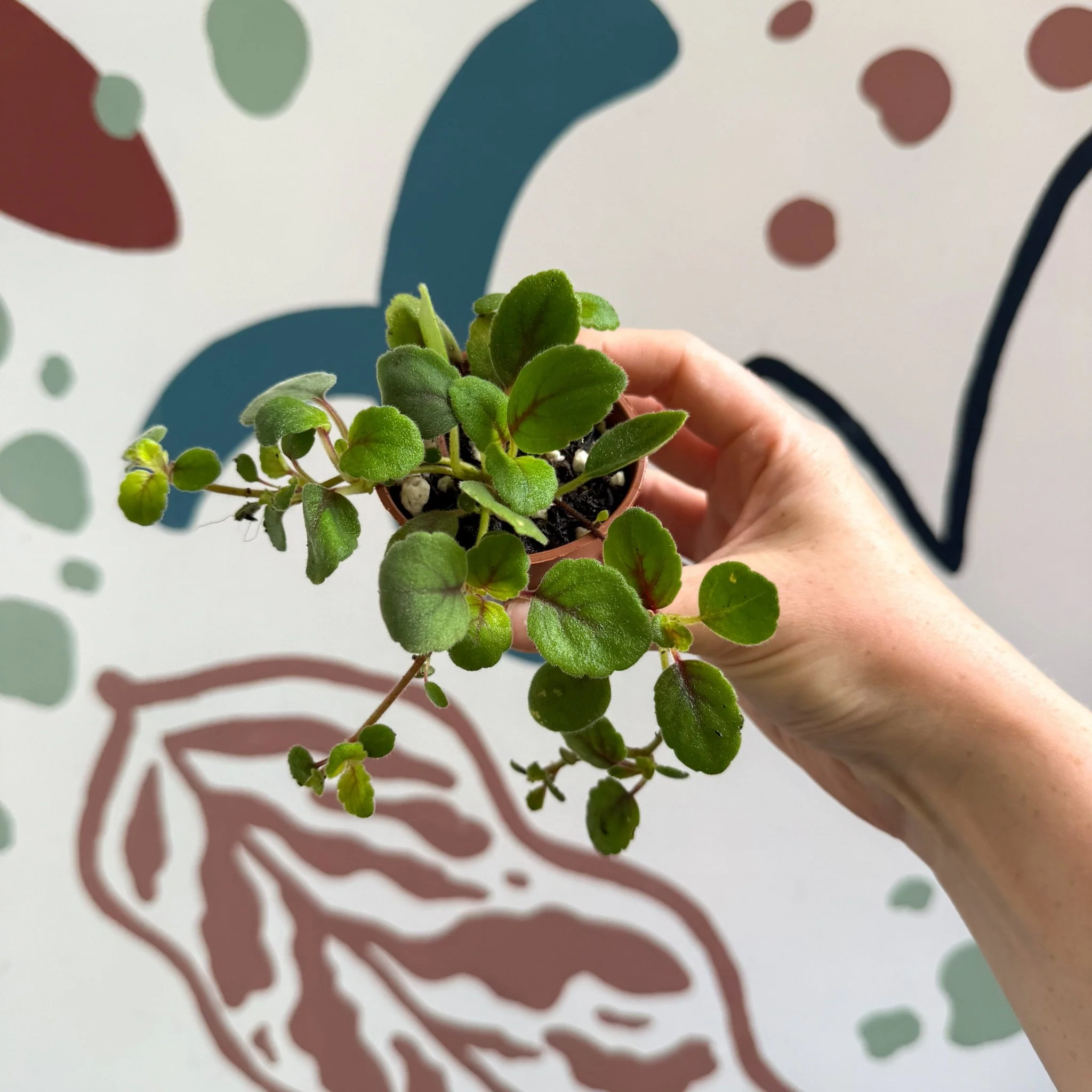
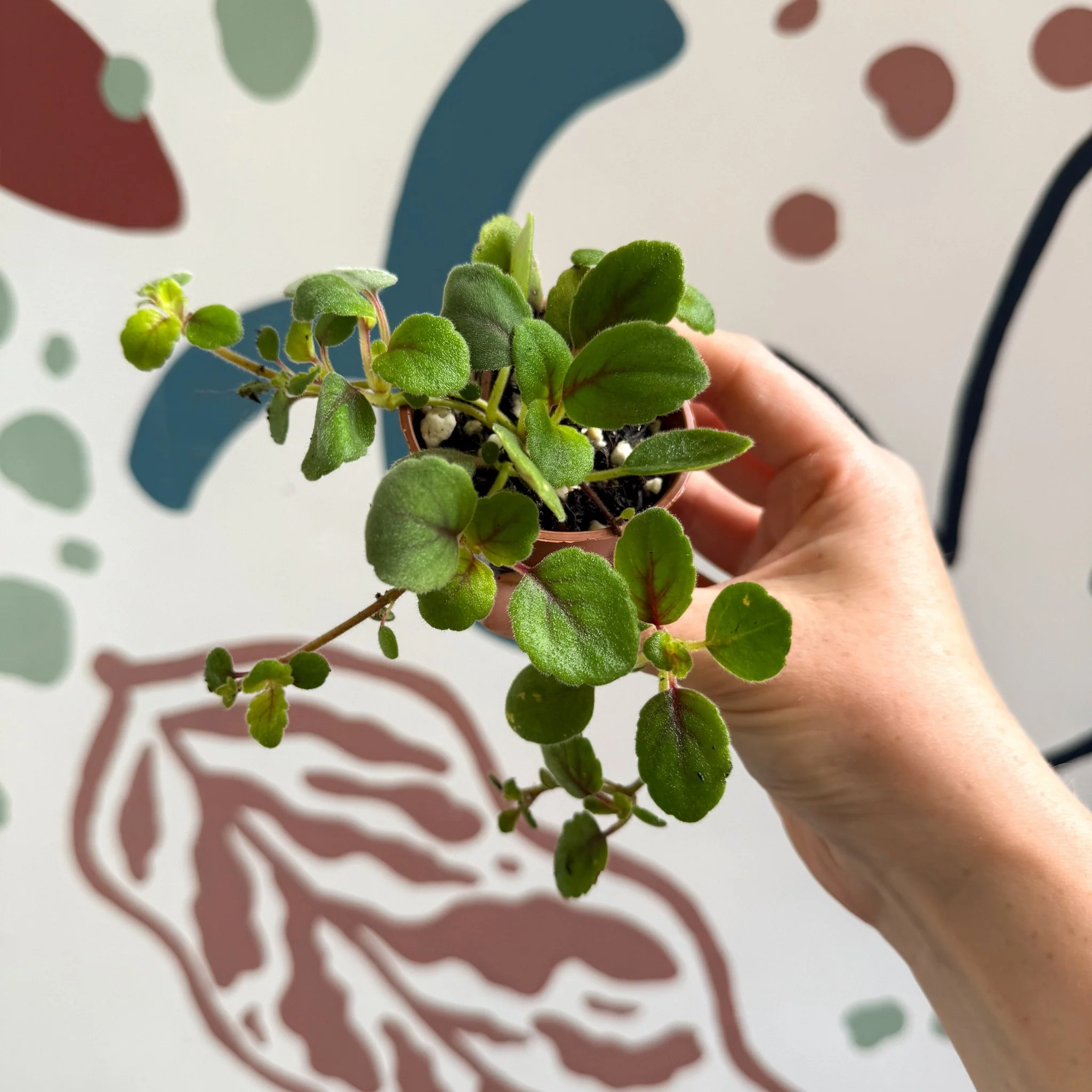
A dainty trailing plant with soft, fuzzy leaves and delicate white blooms, Alsobia dianthiflora is a charming member of the African violet family. Its frilly, lace-edged flowers bloom intermittently throughout the year, often with a faint, sweet scent. A compact grower, it’s ideal for small hanging pots, windowsills, or terrariums with good airflow.
Scientific Name
Alsobia dianthiflora (from Latin Dianthus, “divine flower”, and flora, “flower” – referring to the frilly, carnation-like blooms)
Previously grouped under Episcia, Alsobia was reclassified into its own genus due to distinct floral structures. Both belong to the Gesneriaceae family, which also includes Saintpaulia (African violets) and Aeschynanthus.
Common Name(s)
Lace Flower, Lace Flower Vine, Trailing Lace Flower
Origin
Native to Central America, particularly Mexico, Guatemala and Honduras – typically found in shaded, humid forest floors or as a groundcover
Light
Prefers bright, indirect light. Too much sun can scorch the leaves, while too little can reduce flowering. Avoid direct midday rays.
Water
Keep the soil lightly moist during the growing season – water when the top 1–2cm feels dry. Reduce watering in winter but don’t allow the soil to dry out fully. Use tepid water.
Humidity
Enjoys moderate to high humidity. Mist occasionally or group with other plants. Ideal for terrariums or enclosed spaces with good airflow.
Soil
Use a light, airy mix – African violet compost or a blend of compost, perlite, and a touch of bark works well. Ensure excellent drainage. Repot in spring every 1–2 years.
Food
Feed every 4–6 weeks in spring and summer with a diluted general houseplant fertiliser. Too much feed may reduce flowering.
Temp
Prefers 18–24°C. Avoid cold draughts and temperatures below 12°C.
Pet-safe
Non-toxic – safe for pets and children.
Sprouts Top Tips
Pinch back the growing tips to encourage a fuller, bushier plant and more flower production. Avoid getting the fuzzy leaves wet when watering to prevent spots and rot.
Extras
This plant propagates easily from stolons (runners) that root at nodes – perfect for sharing with friends or expanding your indoor jungle.
Did You Know?
The frilled edges of the blooms resemble fine lace or embroidered trim – hence the common name “Lace Flower.”
Details & Craftsmanship
Every detail has been carefully considered to bring you the perfect product.

Details & Craftsmanship
Every detail has been carefully considered to bring you the perfect product.

Details & Craftsmanship
Every detail has been carefully considered to bring you the perfect product.

Details & Craftsmanship
Every detail has been carefully considered to bring you the perfect product.
Details & Craftsmanship
Every detail has been carefully considered to bring you the perfect product.

Details & Craftsmanship
Every detail has been carefully considered to bring you the perfect product.

Details & Craftsmanship
Every detail has been carefully considered to bring you the perfect product.

Details & Craftsmanship
Every detail has been carefully considered to bring you the perfect product.
Description
A dainty trailing plant with soft, fuzzy leaves and delicate white blooms, Alsobia dianthiflora is a charming member of the African violet family. Its frilly, lace-edged flowers bloom intermittently throughout the year, often with a faint, sweet scent. A compact grower, it’s ideal for small hanging pots, windowsills, or terrariums with good airflow.
Scientific Name
Alsobia dianthiflora (from Latin Dianthus, “divine flower”, and flora, “flower” – referring to the frilly, carnation-like blooms)
Previously grouped under Episcia, Alsobia was reclassified into its own genus due to distinct floral structures. Both belong to the Gesneriaceae family, which also includes Saintpaulia (African violets) and Aeschynanthus.
Common Name(s)
Lace Flower, Lace Flower Vine, Trailing Lace Flower
Origin
Native to Central America, particularly Mexico, Guatemala and Honduras – typically found in shaded, humid forest floors or as a groundcover
Light
Prefers bright, indirect light. Too much sun can scorch the leaves, while too little can reduce flowering. Avoid direct midday rays.
Water
Keep the soil lightly moist during the growing season – water when the top 1–2cm feels dry. Reduce watering in winter but don’t allow the soil to dry out fully. Use tepid water.
Humidity
Enjoys moderate to high humidity. Mist occasionally or group with other plants. Ideal for terrariums or enclosed spaces with good airflow.
Soil
Use a light, airy mix – African violet compost or a blend of compost, perlite, and a touch of bark works well. Ensure excellent drainage. Repot in spring every 1–2 years.
Food
Feed every 4–6 weeks in spring and summer with a diluted general houseplant fertiliser. Too much feed may reduce flowering.
Temp
Prefers 18–24°C. Avoid cold draughts and temperatures below 12°C.
Pet-safe
Non-toxic – safe for pets and children.
Sprouts Top Tips
Pinch back the growing tips to encourage a fuller, bushier plant and more flower production. Avoid getting the fuzzy leaves wet when watering to prevent spots and rot.
Extras
This plant propagates easily from stolons (runners) that root at nodes – perfect for sharing with friends or expanding your indoor jungle.
Did You Know?
The frilled edges of the blooms resemble fine lace or embroidered trim – hence the common name “Lace Flower.”